

Let’s cut to the chase: Is pvc-free plastisol ink more expensive than the old-school stuff? Yes, usually by about 20% to 30%. But if you’re running a serious B2B operation in 2026, looking at the price per kilo is the wrong way to do the math.
The real question is: What is the cost of a rejected shipment? If your big-name clients (think Nike, Zara, or H&M) find even a trace of phthalates in your prints, the “cheap” ink just became the most expensive mistake of your career. At HONG RUI SHENG, we’ve helped shops switch to PVC-free not just because it’s “green,” but because it’s a bulletproof insurance policy for your business reputation.
Table of Contents
The “Dirty” Truth About Cheap Inks vs. High-End Performance
In the screen printing world, “cheaper” usually means more fillers and more PVC. For B2B buyers, that’s a ticking time bomb.
Why the Switch is Smarter (The ROI View)
| What Matters | Old-School Plastisol | HONG RUI SHENG PVC-Free | Why it saves you money |
| Phthalates/PVC | High risk | 100% Zero | Zero risk of RSL (Restricted Substance) failures. |
| On-Screen Time | Dries faster in mesh | Stays fresh & “Open” | Less downtime cleaning screens = more shirts per hour. |
| Hand Feel | Like a plastic sheet | Soft, matte, premium | You can charge a premium for “boutique-quality” prints. |
| Compliance | Hard to pass GOTS | GOTS & OEKO-TEX Ready | Access to high-paying international contracts. |
Pro Tip from the Floor: We’ve found that using a higher mesh tension (around 25-30 Newtons) with our pvc-free line actually lets you use 10-15% less ink per pull. It shears cleaner and sits flatter. That’s how you offset the higher price tag.
Breaking Down the Benefits: It’s Not Just About the Environment
1. Crushing the “Compliance” Headache
Global brands aren’t playing around anymore. The OEKO-TEX Standard 100 and GOTS guidelines are now the baseline, not the ceiling. If you’re using our plastisol ink, you can hand over your lab reports with total confidence. No more sweating over random audits.
2. Better Shop Floor Morale (Seriously)
Traditional inks give off that heavy “chemical” smell when they hit the dryer. Our PVC-free formulas are much cleaner. A happier, healthier crew means less turnover in the printing room. Plus, since the ink doesn’t dry in the mesh, your printers aren’t constantly scrubbing screens in the middle of a rush job.
Best Practice: When you transition, start with our high-opacity white plastisol ink. White is usually the hardest to get right in a PVC-free version, and once you see how smoothly our white prints, you’ll know the rest of the colors will be a breeze.
Real-World Case: 200 Extra Shirts per Shift
We recently worked with a factory that was losing nearly an hour a day just cleaning “ghosting” and dried ink off their automatic presses. We swapped them over to our screen printing plastisol ink specifically designed for high-speed runs.
The Result? They saved enough time to squeeze in an extra 200-250 prints per shift. In the B2B world, that extra throughput pays for the ink cost several times over.
How to Get Started Without Making a Mess
We know a full shop switch is a headache. Here’s the HONG RUI SHENG roadmap to doing it right:
- Rule #1: No Mixing. If you mix 1% of your old PVC ink into a bucket of PVC-free ink, you just wasted the whole bucket. It won’t pass the lab tests.
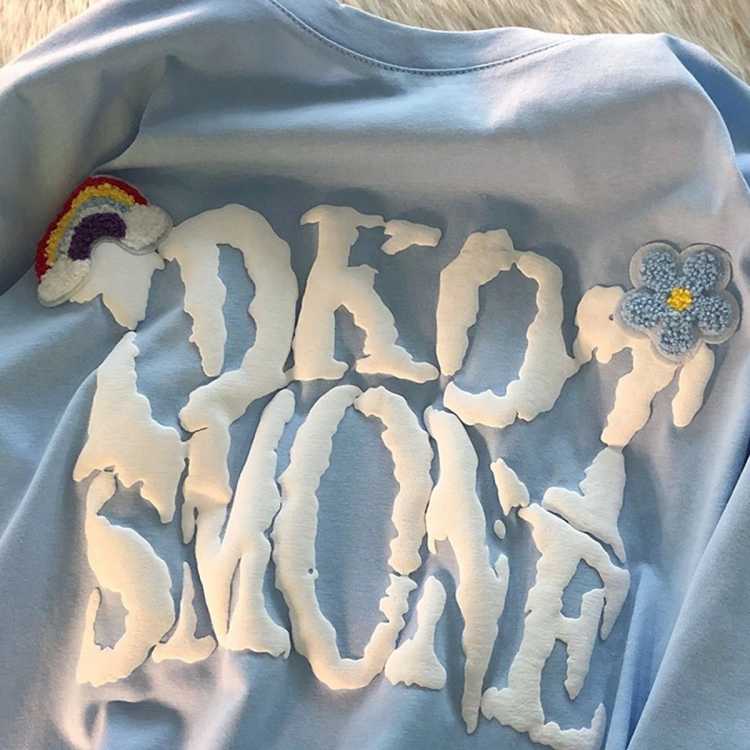
- The “Special” Stuff: For safety gear, use our reflective plastisol ink. For kids’ clothing or trendy brands, try the 3d puff plastisol ink for that cool textured look without the toxic chemicals.
- Check Your Temps: Most of our inks cure at standard temps (150-160℃), but always do a stretch test. If it cracks, bump the dryer up $5 or slow down the belt.
FAQ: What You’re Probably Thinking Right Now
Q1: Will it clog my fine mesh screens?
Actually, no. Our PVC-free formula is engineered to stay “wet” on the screen but cure fast under the heat. You can easily use 120T mesh without issues.
Q2: Can I use it for “tagless” neck labels?
Definitely. It’s perfect for labels because it’s soft against the skin and won’t irritate the wearer—unlike the scratchy PVC stuff.
Q3: Does it work on 100% polyester?
Yes, but use a low-bleed underbase plastisol ink first to stop dye migration.
Q4: Is it really safer for my workers?
100%. Removing phthalates and PVC from the evaporation cycle in your dryer makes a massive difference in air quality.
Q5: What if I need a special effect, like glow-in-the-dark?
We’ve got you covered. Our glow in the dark plastisol ink is PVC-free too, so you don’t have to compromise on safety for style.
Final Verdict: Why Smart B2B Buyers Are Making the Switch
Look, as a solutions expert, I’ve seen hundreds of printing floors struggle with the same dilemma: “Do I save a few cents on ink today, or do I protect my million-dollar contracts for tomorrow?”
In 2026, the answer is clear. PVC-free plastisol ink isn’t an “eco-tax”—it’s a performance upgrade. When you factor in the zero-risk compliance with global brands, the shorter downtime on your automatic presses, and the premium hand-feel that keeps your clients coming back, the “extra cost” actually pays for itself within the first few production runs.
At HONG RUI SHENG, we don’t just sell buckets of ink; we provide the chemical stability your supply chain needs to scale without fear of recalls or rejections. Whether you are troubleshooting ink migration on polyester or trying to hit that perfect 3d puff plastisol ink texture, we have the technical experience to back you up.
Ready to Future-Proof Your Production?
Don’t guess which formula is right for your mesh count or dryer setup. Let our team of technicians help you run a cost-benefit analysis specifically for your shop’s volume.
Leave your contact details below or send us your current production challenges. We’ll provide a customized ink transition roadmap and a sample kit to prove that “going green” is the most profitable move your business will make this year.
 English
 Arabic
 Belarusian
 Bengali
 German
 Finnish
 French
 Italian
 Japanese
 Turkish
 Polish
 Danish
 Hungarian
 Croatian
 Hebrew
 Russian
 Greek
Greek Vietnamese
 Ukrainian
 Spanish
 Galician
 Marathi
 Thai
Thai Swedish
 Tamil
Tamil Afrikaans
 South Azerbaijani
 Welsh
Welsh Persian
 Indonesian