
Look, cured plastisol isn’t a stain. It’s a solid chunk of PVC plastic wrapped around cotton fibers like dried epoxy. Standard household sprays won’t restore a ruined print or salvage your blank.
Don’t buy into the Reddit hacks about stripping cured ink with kitchen soap. You’re dealing with raw chemical reality and shop-floor physics, not magic.
Змест
Why Cured Plastisol Ink Is Difficult to Remove
Пластызол doesn’t dry through evaporation. You can leave wet ink sitting on a screen over your lunch break, walk away for the weekend, and it won’t lock up the mesh. It’s PVC resin suspended in plasticizer oils. The problem starts when that print rides the belt through the conveyor dryer and hits a verified 320°F. (And don’t trust a cheap laser temp gun—they lie; donut probes tell the truth.) At 320°F, you’re baking that vinyl paste so it fuses into a solid chunk of rubber molded straight around the cotton fibers. Water, laundry detergent, and kitchen scrub pads won’t even scratch it.
How much grief you get trying to rip it out comes down to the setup. A soft-hand print cleared through a 230 mesh barely grabs the surface fuzz of the shirt. But an opaque white slammed through a coarse 86 or 110 mesh drives a thick plug of vinyl deep into the core of the yarn, giving you bulletproof chest armor that feels like a floor mat. If the print was undercured and barely reached a 230°F tacky surface gel, maybe a harsh solvent breaks the bond. If it saw 320°F all the way through, that vinyl will easily outlive the shirt itself.
Can Household Products Remove Cured Plastisol Ink?
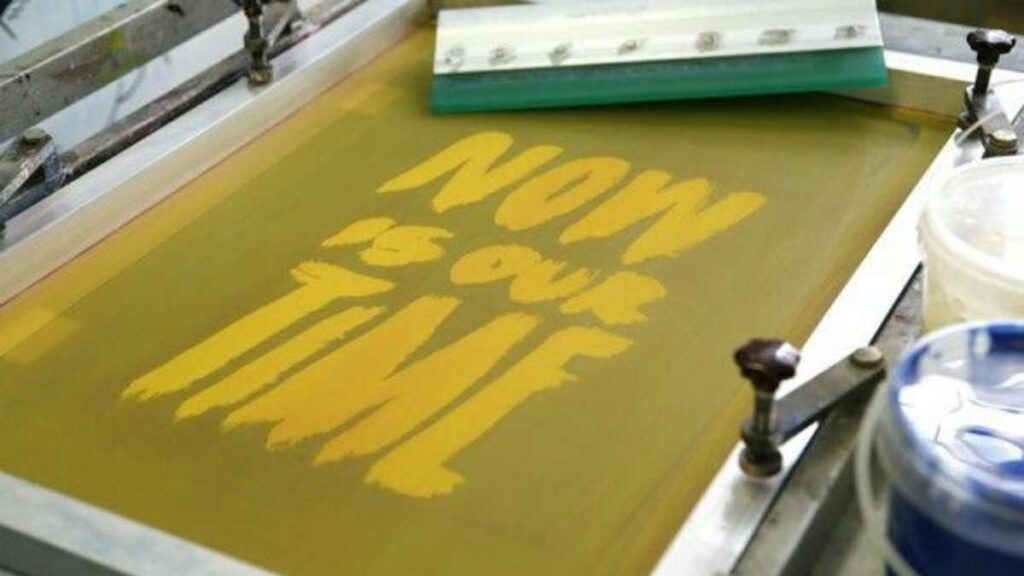
Every rookie thinks they can brew some miracle ink stripper from under the kitchen sink. Forget it. You might flick off an accidental pinhead smudge if you get lucky, but you aren’t stripping a print off a chest. Dish soaps and bathroom degreasers are made for bacon grease and soap scum. They don’t have the chemical bite to break down cured PVC.
The real danger is what these cleaners do to dyed textile yarn. Off-the-shelf bottles are totally unpredictable on garment dyes. Dump a random cleaner on a shirt, and nine times out of ten the chemical strips the shirt’s reactive dye long before it touches the plastisol. Worse, it turns the outer skin of the print into sticky muck. The second you scrub it, you smear pigmented vinyl outward into clean fabric, leaving an ugly, permanent halo that ruins the blank for good.
Method 1: Rubbing Alcohol and Mild Solvents
Every shop keeps isopropyl alcohol handy to wipe fingerprints off platen glass or clean wet ink off squeegee handles. But against a baked PVC film, rubbing alcohol does next to nothing.
Pour alcohol onto a dyed cotton or poly shirt, and the solvent strips the garment’s background dye instead of the print, leaving a washed-out ring around the graphic. On polyester, your bright white print turns pepto-bismol pink because the heat and solvent pull the shirt dye right up into the plastic, while synthetic coatings blister instantly. Worse, alcohol turns the ink gummy. Scrub it with a rag and you’re just grinding half-melted vinyl deep into the valleys of the knit where it locks in forever. Keep alcohol for cleaning metal spatulas, and keep it off wearable apparel.
Method 2: Citrus-Based and General-Purpose Cleaners
Citrus wash and d-limonene smell like fresh oranges and won’t burn your throat like lacquer thinner, which makes them great for degreasing bare aluminum frames, wiping flash bases, or cleaning press arms. Against fully cured plastisol on a shirt, though, they’re useless.
The catch is the oily residue. The second you spray citrus cleaner on cotton, the dry yarn wicks that orange oil right past the graphic like a sponge. Even if an overnight soak softens the ink edge, you’re left with a dark, greasy ring that never washes out of the fabric. You can’t even print a patch over that spot later because the fibers are soaked in oil, meaning zero ink adhesion.
Method 3: Mechanical Removal from Hard Surfaces
Scraping only works when the plastisol is sitting on something rigid, flat, and non-porous. Ink dripped on an aluminum print pallet, glass exposure top, or a stainless steel ink knife? Don’t bother with solvents. Let it cool down, lay a razor blade flat against the metal, and pop the rubber puck off in one clean piece.
Never drag a blade across a shirt. Textile yarns snap under a razor or wire brush, shredding the knit into heavy pills and tearing holes straight through the garment while the ink stays fused in the threads. Blasting it with a heat gun to “melt and peel” it is just as bad—you’ll scorch the cotton yellow or turn the ink into molten glue that bonds twice as hard.
Why Homemade Methods Often Fail on Fabric
Fabric isn’t a flat steel bench. Plastisol is formulated to anchor around textile yarns. Because cotton wicks liquid out fast, any DIY cleaner you dump on the shirt runs straight into the surrounding threads instead of staying on the ink.
Even if a strong brew softens a tiny bit of vinyl, the shirt is trash. You’re left with a ghost outline, a bleached solvent halo, chewed-up fabric pills, or an oily chemical patch that smells like mineral spirits forever. Blasting out a stray pinhead dot with an electric spot gun loaded with volatile spot fluid over an exhaust booth is one thing; trying to wash a whole graphic out of a finished shirt with kitchen remedies is just a fast way to turn good blanks into rag bin filler. Toss oily rags in an OSHA fire can and move on.
- Dark heavy hoodies: 86-110 mesh white base, flash, top colors, bake hard at 320°F.
- 100% Poly activewear: Low-bleed blocker gray base, low-cure ink under 290°F, or walk away.
- Ring-spun vintage retail: Discharge or water-base; putting plastisol on 4-oz cotton is amateur hour.
Fabric and Surface Risks
Before you touch any piece of printed apparel with an unverified cleaner, check the tag and know what you are dealing with:
| Substrate / Surface | Primary Material Vulnerability & Concerns |
| 100% Бавоўна | Deep liquid absorption, noticeable cleaning halos, and severe surface fiber abrasion from rubbing. |
| 100% поліэстэр | High sensitivity to solvent discoloration, dye migration, and thermal deformation. |
| Cotton / Poly Blends | Uneven chemical response between differing fiber types, resulting in patchy texture changes. |
| Elastane / Spandex Blends | Rapid breakdown of elastic core filaments, leading to permanent puckering and fabric loss. |
| Coated & Performance Fabrics | Delamination of weatherproofing layers, loss of water-repellent finishes, and altered gloss. |
| Metals & Glass | Fine surface scratching, removal of protective clear coats, or staining from active additives. |
| Plastics & Pallets | Chemical softening, structural warping, environmental stress cracking, and clouding. |
| Сетка для трафарэтнага друку | Mesh filament embrittlement, emulsion melting, and frame adhesive failure. |
When a Professional Plastisol Cleaner Is Necessary
A dedicated spot-cleaning fluid is engineered specifically for textile print shops to break down the vinyl binder without chewing up the shirt’s reactive dyes. While you still need gloves, ventilation, and a test spot, commercial screen printing chemicals remove the wild guesswork that comes with domestic cleaning hacks.
A professional cleaning setup is mandatory when you are dealing with thick underbases, poly athletic wear, or customer orders where you can’t afford to ruin an expensive blank. Professional textile spot guns don’t use rags; they blast a high-pressure, needle-thin stream of solvent straight through the knit, blowing the liquefied vinyl out the backside onto an exhaust vacuum platen. It pulls the ink out in seconds instead of smearing it sideways into the clean fabric like a kitchen sponge does.
For removing plastisol ink from printed garments, see our complete plastisol remover guide .
Homemade Methods Compared with Commercial Products
Putting domestic hacks side by side with purpose-built press chemicals shows why commercial print floors don’t rely on DIY recipes:
| Assessment Factor | Homemade / Household Approaches | Commercial Plastisol Products |
| Initial Purchase Cost | Low and readily accessible from retail stores. | Higher upfront cost; specialized suppliers. |
| Formulation Consistency | Variable; changes between brands and batches. | Strictly controlled, batch-consistent chemistry. |
| Technical Documentation | Minimal or unrelated to screen printing. | Comprehensive SDS, TDS, and usage guidelines. |
| Сумяшчальнасць падкладкі | Unpredictable; high risk of fabric ring marks. | Clear substrate specifications and known limits. |
| Process Repeatability | Extremely poor; difficult to standardize. | Highly repeatable for structured environments. |
| Environmental & Safety Control | Mixed chemical unknowns; unpredictable runoff. | Defined disposal procedures and PPE guidance. |
| Substrate Damage Potential | High risk of permanent textile or finish ruin. | Managed risk when instructions are observed. |
Часта задаюць пытанні
Can rubbing alcohol remove cured plastisol ink?
Cured plastisol is solid plastic. Rubbing alcohol isn’t going to do jack to a print that actually hit 320°F in the tunnel. Best case, it softens a tiny bit of surface residue while you smear the edges and bleach out the shirt dye. Stop raiding your medicine cabinet.
Can I make a plastisol ink remover with household products?
Can I make a plastisol ink remover with household products?
No. Mixing Dawn dish soap and baking soda is a Pinterest myth. You are dealing with liquid PVC. If you want to scrub a tiny wet smudge off a work bench, fine. But putting bathroom cleaner on a customer’s shirt is a quick way to weaken the fabric and look like a hack. Buy real spot fluid and an electric knockout gun.
Is cured plastisol ink easier to remove from fabric or metal?
Metal, obviously. You scrape it off a platen with a razor blade. Fabric is a nightmare. The squeegee drove that ink deep into the cotton fibers long before it was baked into a solid chunk of rubber. You try to blow that out of a shirt, you’re going to destroy the threads before you get all the pigment.
Why did the ink spread after cleaning?
Because you didn’t blow it through the shirt, you just turned it back into wet mud and smeared it. You hit it with a weak solvent, it liquefied the plasticizer, and your rag just pushed that raw pigment out into a massive halo. Now you have a giant ghost stain.
Can heat help remove cured plastisol ink?
Newsflash: heat is literally what sets plastisol permanently. Ironing a mistake just drives the vinyl paste deeper into the weave. Sure, you can heat up a thick blob to soften it and try picking it off with tweezers, but nine times out of ten you just melt it into the fibers and make it an unfixable mess.
 English
 Arabic
 Belarusian
 Bengali
 German
 Finnish
 French
 Italian
 Japanese
 Turkish
 Polish
 Danish
 Hungarian
 Croatian
 Hebrew
 Russian
 Greek
Greek Vietnamese
 Ukrainian
 Spanish
 Galician
 Marathi
 Thai
Thai Swedish
 Tamil
Tamil Afrikaans
 South Azerbaijani
 Welsh
Welsh Persian
 Indonesian