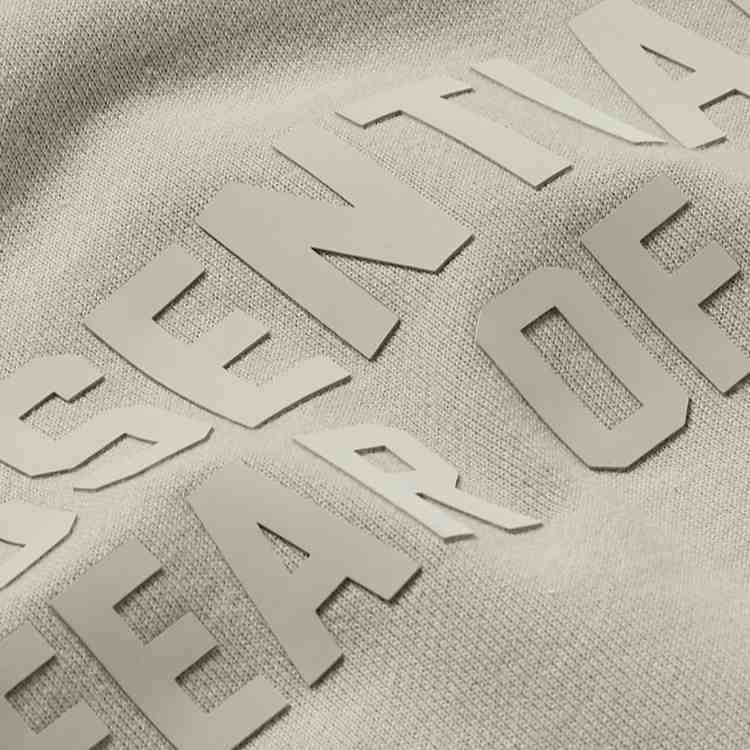
Listen, if you’ve been in the screen printing game as long as I have, you’ve felt that specific, soul-crushing dread. You know the one. It’s that moment a client walks back into your shop, holding a premium spandex leggings order you finished last week, and says, “Look at the logo.”
They stretch the fabric, and crack. The print looks like a dry lake bed in the middle of a drought. It’s embarrassing. It’s expensive. And frankly, it’s avoidable.
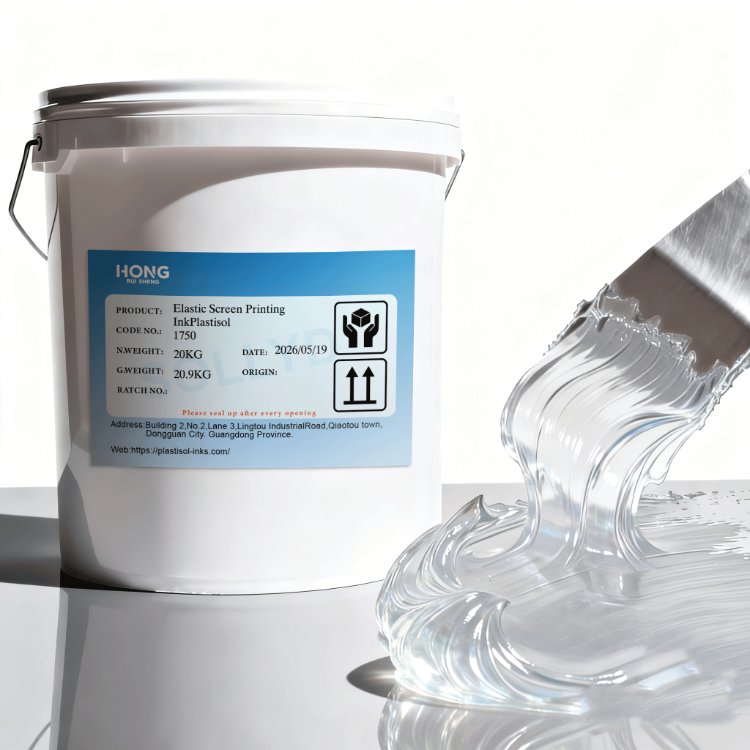
I’m going to level with you: most “standard” inks aren’t built for the modern athlete—or the modern apparel decorator. But after years of ruined samples and ink-stained frustration, I found the holy grail at HONG RUI SHENG. We’re talking about Elastic Screen Printing Ink Plastisol.
In this guide, I’m pulling back the curtain on how to print on the “stretchiest” of fabrics without losing your mind—or your profit margins.
1. The “Spiderweb” Nightmare: Why Ordinary Ink Fails
Let’s talk science for a second, but I promise I won’t make it boring. Standard plastisol is basically a liquid plastic that turns into a solid film when heated. It’s great for a 100% cotton heavy-weight gildan tee. But try putting that on a 12% Spandex blend? You’re asking for trouble.
Standard ink has the flexibility of a dry cracker. When the fabric expands, the ink stays rigid. Result? Fissures. Cracks. Disaster.
This is where Plastisol Ink specifically engineered for elasticity comes into play. It’s designed with longer-chain polymers that act like tiny rubber bands. When you stretch the shirt, the ink stretches with it. When the shirt snaps back, the ink follows suit.
2. Meet the SCLA Series: My Personal Secret Weapon
When I first started testing the Stretch Plastisol Ink from HONG RUI SHENG, I was skeptical. I’d heard the promises before. But the SCLA series is built differently. It’s not just “flexible”; it’s practically athletic in its performance.
As a leading Plastisol Ink Manufacturer, we realized that sportswear brands don’t just want ink—they want a performance coating.
Why SCLA is Different:
Insane Elongation: We’re talking 200% to 300% stretch. You can pull that fabric until it’s transparent, and the ink holds.
Low-Tack Surface: Nobody wants a sticky print that glues the shirt to itself in the dryer.
Soft Hand Feel: It doesn’t feel like a bulletproof vest. It feels like part of the fabric.
| Feature | Standard Plastisol | HONG RUI SHENG SCLA Series |
| Stretchability | Low (50%) | High (250%+) |
| Opacity | Moderate | High Opacity |
| Curing Temp | 160°C – 170°C | Low Cure (135°C – 145°C) |
| Durability | Prone to cracking | Superior wash-fastness |
3. The Low-Cure Revolution: Saving Your Synthetic Fabrics
Here’s something most printers won’t tell you: the heat is your enemy.
When you’re printing on polyester or nylon blends, high heat causes “dye migration.” That’s when the gas from the polyester dye seeps into your beautiful white ink and turns it a dingy grey or pink. It also scorches the fabric, leaving those ugly “ghosting” squares.
That’s why I swear by Low Cure Plastisol Ink. By dropping our curing temperature to around 140°C, we protect the integrity of the garment. You save on electricity, you save your fabrics, and you save your reputation. It’s a win-win-win.
4. How to Print Like a Pro: A Step-by-Step Experiential Guide
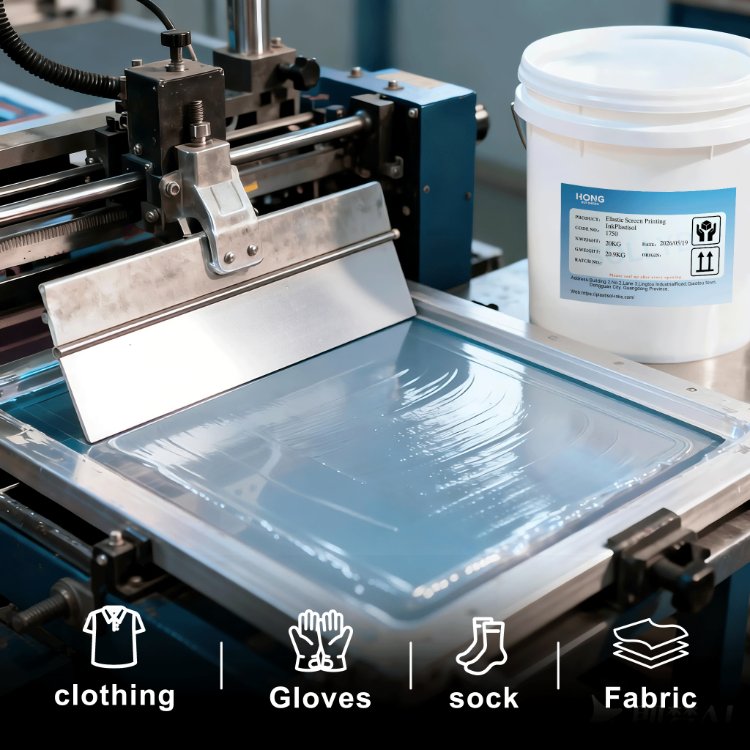
You can have the best Screen Printing Ink in the world, but if your technique is sloppy, your results will be too. Here’s how I handle a high-stretch job in the shop.
Step 1: Choosing the Mesh
Don’t reach for that 230 mesh count. For elastic prints, you need a bit more “body.” I usually stick to a 80 to 110 mesh count. This allows enough ink to sit on the surface to create that elastic film.
Step 2: Tension is Everything
Your screen tension needs to be tight—think “drum-tight.” If your screen is sagging, it’ll drag across the fabric, causing a blurred edge. You want a clean “snap” as the squeegee passes.
Step 3: The Underbase
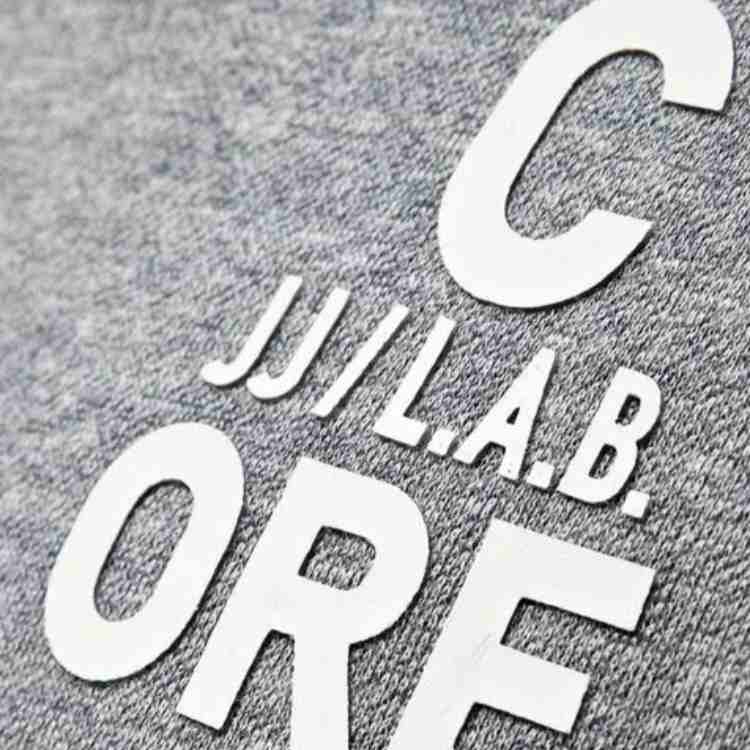
If you’re printing on a dark athletic shirt, you need a solid foundation. I use our White Plastisol Ink as a flash-base. It’s incredibly opaque but still maintains the stretch required for the top colors.
Step 4: Flash and Print
Flash it just until it’s dry to the touch (don’t over-cure it yet!). Then, lay your Plastisol CMYK Ink or spot colors on top.
5. Troubleshooting: Why Is My Elastic Ink Still Cracking?
Sometimes, things go wrong. It happens to the best of us. If your “elastic” ink is failing, check these three culprits:
Under-Curing: This is the #1 cause. If the ink doesn’t reach the “fusion” temperature all the way through the ink film, it will crack and peel. Use a donut probe to check your dryer temperature.
Too Thin of a Layer: If the ink layer is too thin, it doesn’t have enough structural integrity to stretch. It’s like a thin rubber band vs. a thick one.
Dye Migration: If your white ink is turning pink, you need an Anti Migration Printing Ink as a blocker.
6. The “Green” Side of Ink: Phthalate-Free is Not Optional
In the modern B2B world, your clients—especially the big brands—care about what’s in the ink. I’ve seen contracts lost because the shop couldn’t prove their inks were safe.
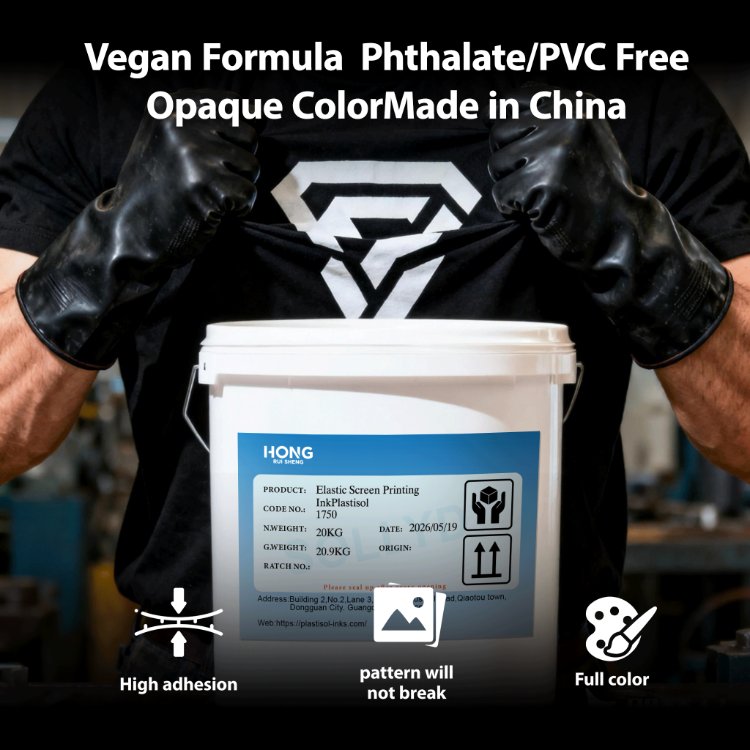
At HONG RUI SHENG, we don’t play games with safety. Our Phthalate-Free Plastisol Ink and PVC-Free Plastisol Ink meet international standards. When you tell a client their gym wear is OEKO-TEX compliant, you’re not just selling a shirt—you’re selling peace of mind.
7. Analytical Comparison: Choosing Your Weapon
Not all “specialty” inks are the same. Depending on the job, you might need a different formulation from our Screen Printing Ink Factory.
| Product Category | Best For… | Key Advantage |
| HF Series | High-volume T-shirts | Economical & Wholesale Plastisol Ink |
| SCLA Series | Performance & Yoga Wear | Extreme Elasticity |
| CHJT Series | High-End Retail Brands | Phthalate-Free & High Opacity |
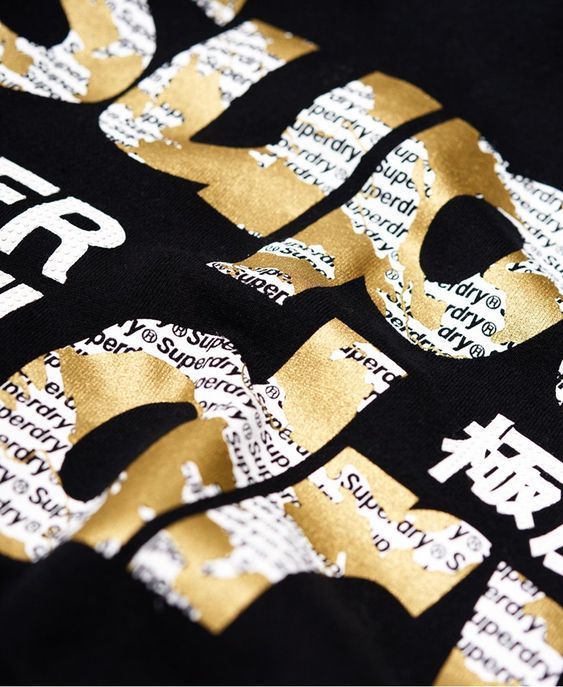
| Special Series | Fashion Accents | Puff Plastisol Ink & Metallic Gold |

8. Frequently Asked Questions (The Stuff My Staff Asks Me)
Q1: Can I mix elastic additives into regular plastisol?
A: You can, but it’s like putting a Ferrari engine in a lawnmower. It might work for a bit, but it’s not optimized. Using a dedicated Stretch Plastisol Ink gives you much more consistent results.
Q2: Will elastic ink ruin my screens?
A: Not at all. It cleans up just like any other Screen Printing Ink Supplier product. Use a standard screen wash and you’re good to go.
Q3: How do I handle “Puff” prints on stretchy fabric?
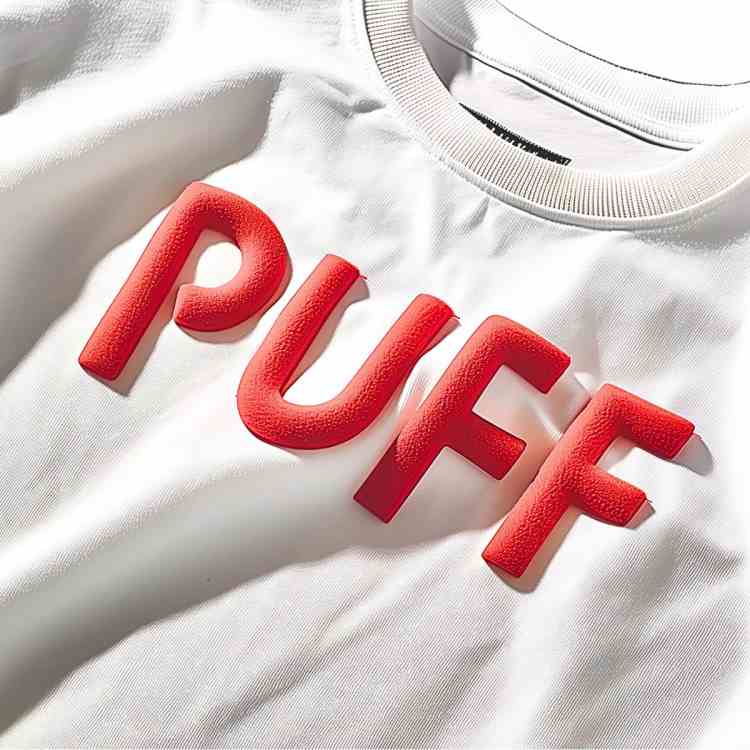
A: Puff is tricky because the “bubbles” can pop. I recommend using our Puff Plastisol Ink but keeping the puff height moderate to allow for some flex.
Q4: Is it more expensive?
A: Per kilo? A little. But when you factor in the cost of zero returns and happy clients, it’s the cheapest insurance policy you’ll ever buy. Check our Plastisol Ink Wholesale rates for the best deal.
Q5: Can I use it for heat transfers?
A: Absolutely. Our Heat Transfer Printing Ink is a favorite for people making custom neck labels and athletic logos.
Final Thoughts: Don’t Be the “Cracked Ink” Shop
In this industry, your reputation is only as good as your last wash test. I’ve spent decades trying every Fabric Screen Printing Ink on the market. What I love about HONG RUI SHENG is that we are a Plastisol Ink Manufacturer that actually listens to the guys on the shop floor.
Stop fighting your ink. If you’re doing sportswear, swimsuits, or anything that requires the wearer to move, you need an elastic solution.
Go ahead, grab a bucket of our SCLA series. Stretch it. Wash it. Try to break it. I think you’ll find, like I did, that it’s the upgrade your shop deserves.
Related products
- Special Series
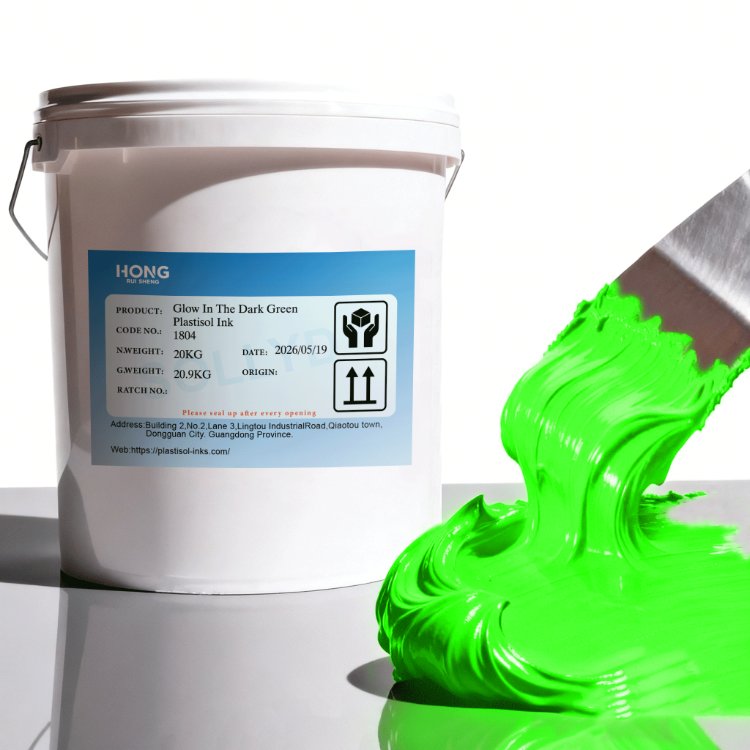
Glow In The Dark Green Plastisol Ink
- Special Series
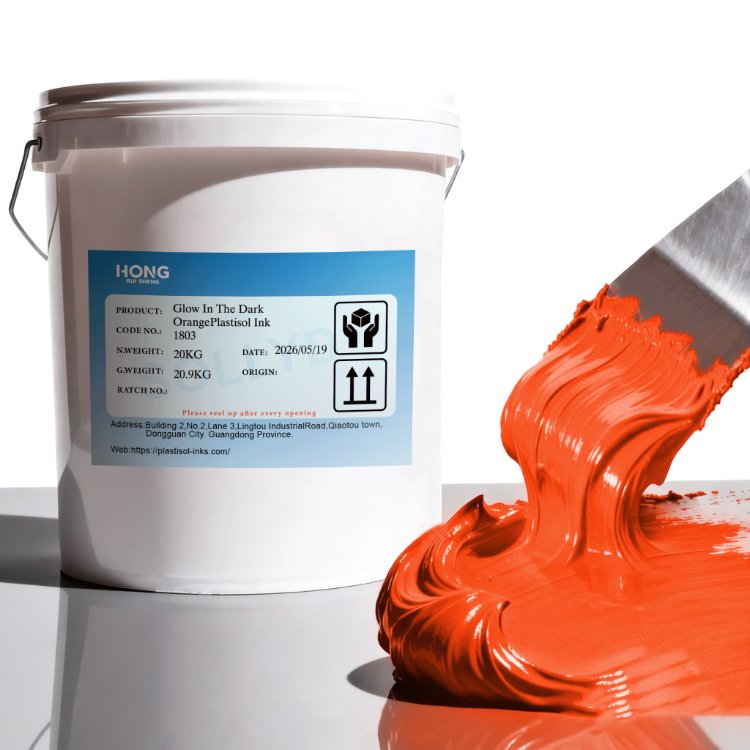
Glow In The Dark Orange Plastisol Ink
- Special Series
Puff Plastisol Ink
- Special Series
Metallic Gold Screen Printing Ink