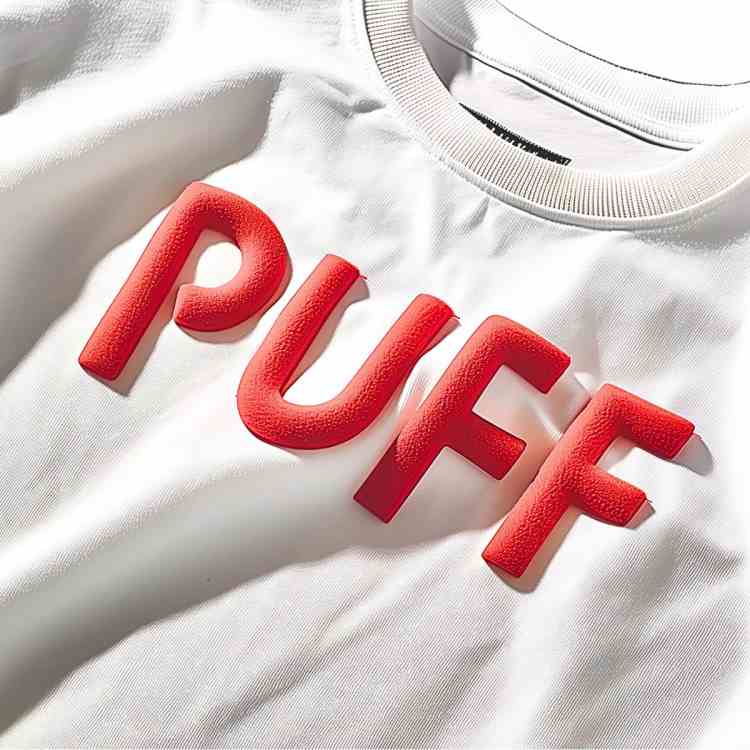



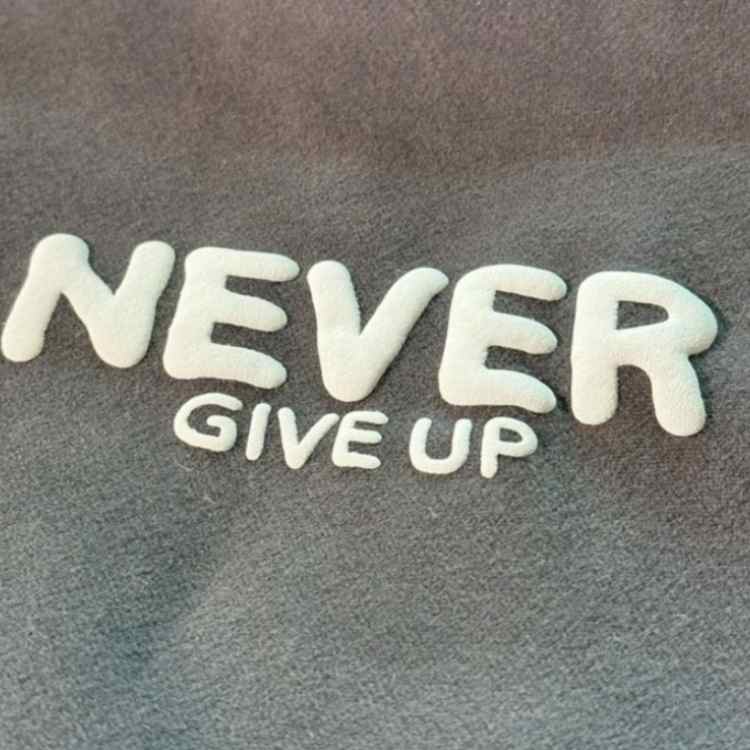
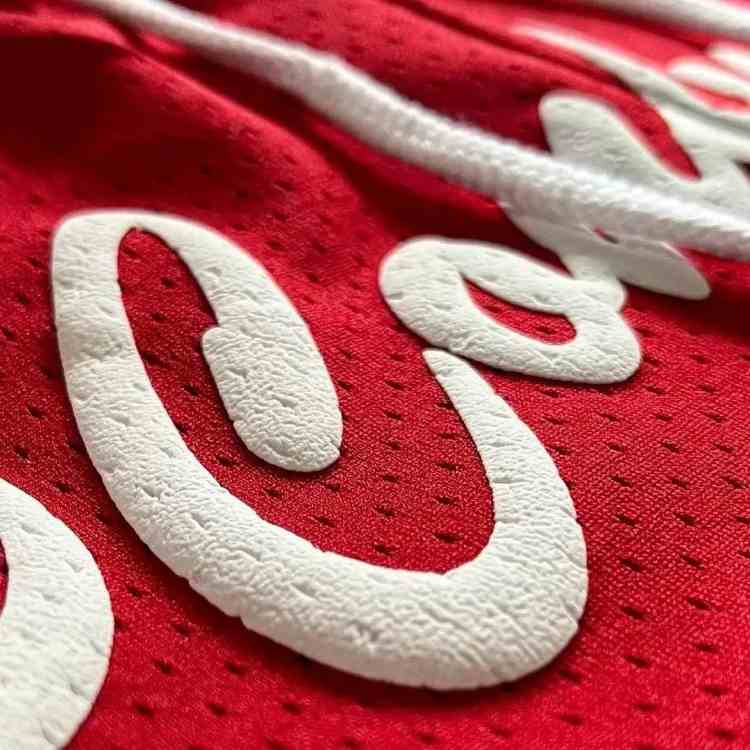
Let me tell you a secret. In the world of screen printing, flat is boring. It’s the visual equivalent of a dial-up modem in a 5G world. If you want your customers to stop and stare, you need something that jumps off the fabric. You need texture. You need volume. You need Puff Plastisol Ink.
I’ve spent years in the trenches of the Screen Printing Ink Factory, and I’ve seen it all. I’ve seen inks that crack like a dry desert and others that wash away faster than a bad memory. But when we perfected the puff formula at HONG RUI SHENG, everything changed. We didn’t just make ink; we made a way for printers to charge premium prices for simple designs.
Why Every Printer Needs a Can of Puff in Their Shop
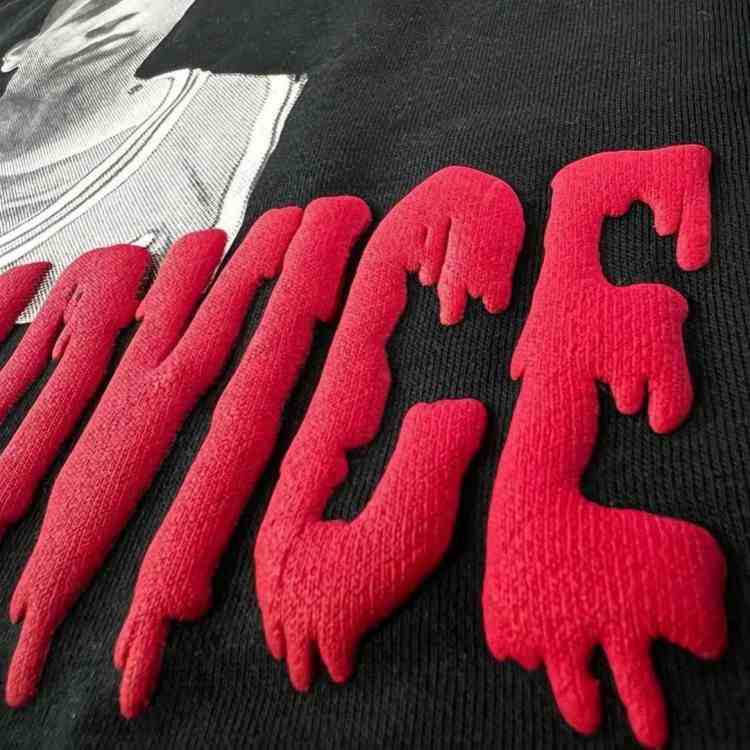
Imagine you’re printing a basic logo for a local streetwear brand. You could use standard white ink and it would look… fine. But “fine” doesn’t get you referrals. Now, imagine that same logo rising up like fresh dough in an oven. It’s soft. It’s 3D. It begs to be touched.
That is the power of Puff Plastisol Ink.
But here is the catch. Puff ink is like a high-performance sports car. If you know how to drive it, it’s a dream. If you don’t, you’re going to crash into a wall of ruined t-shirts and angry clients. In this guide, I’m going to share the “under the hood” secrets we’ve learned at HONG RUI SHENG to help you master the puff.
The Science of the “Swell”
What makes it puff? It isn’t magic but it is close. Most Screen Printing Plastisol Ink stays exactly where you put it. Puff ink contains a heat-reactive blowing agent. When that agent hits a specific temperature, it creates tiny gas bubbles. These bubbles expand the ink in every direction.
The rate of “puff” is directly tied to the concentration of these micro-balloons. At HONG RUI SHENG, we balance this so you get maximum height without losing the “hand” (that’s printer-speak for how soft it feels).
Table 1: Standard vs. Puff Plastisol Ink
| Feature | Standard Plastisol | HONG RUI SHENG Puff Ink |
| Dimension | 2D (Flat) | 3D (Raised) |
| Hand Feel | Smooth/Plastic | Soft/Marshmallowy |
| Mesh Count | 110 – 305 | 86 – 110 |
| Curing Criticality | Moderate | High |
| Visibility | High | Extreme |
Mastering the Technicals: How to Print Puff Like a Pro
I’ve seen a lot of guys try to print puff through a 200-count mesh. Don’t do that. You’re trying to force a thick, reactive paste through holes the size of a needle eye. It’s frustrating and it won’t work.
1. The Mesh is Your Best Friend
You want a low mesh count. Think 86 to 110. This allows a thick “deposit” of ink to sit on top of the fabric. Remember: the more ink you put down, the higher the puff will be. If you want a subtle texture, go 110. If you want it to look like it’s growing off the shirt, stick with 86.
2. The Squeegee Dance
Use a medium durometer squeegee—around 70 shore. You want a sharp edge but enough flex to push that ink through the screen. I prefer a slow, steady stroke. Speed is the enemy of a thick deposit.
3. The Art of the Underbase
Should you use an underbase? It depends. If you’re printing on dark 100% cotton, a White Plastisol Ink underbase can help the colors pop. However, puff ink is naturally quite opaque. Often, you can print it “hit-flash-hit” directly on the garment and get incredible results.
The “Goldilocks” Zone: Curing and Temperature
This is where most people mess up. If you under-cure puff ink, it won’t expand and it will wash off. If you over-cure it, the bubbles pop. The ink “collapses” and you’re left with a shriveled, grainy mess that looks like old sandpaper.
Most Low Cure Plastisol Ink starts reacting at 280°F (138°C) but for a full puff, you usually need to hit 320°F (160°C).
The Pro Tip: Use a donut probe or a high-quality laser thermometer. Don’t trust the dryer’s digital display. It lies. You need to know the temperature of the ink film itself.
Real-World Troubleshooting: Fixing the Fiascos
Let’s be honest: nobody enjoys admitting their shop isn’t running perfectly, but we’ve all had those “uh-oh” moments. I think it’s time to get real about the actual headaches that pop up on the production floor when you’re working with specialty stuff.
The “Orange Peel” Effect:
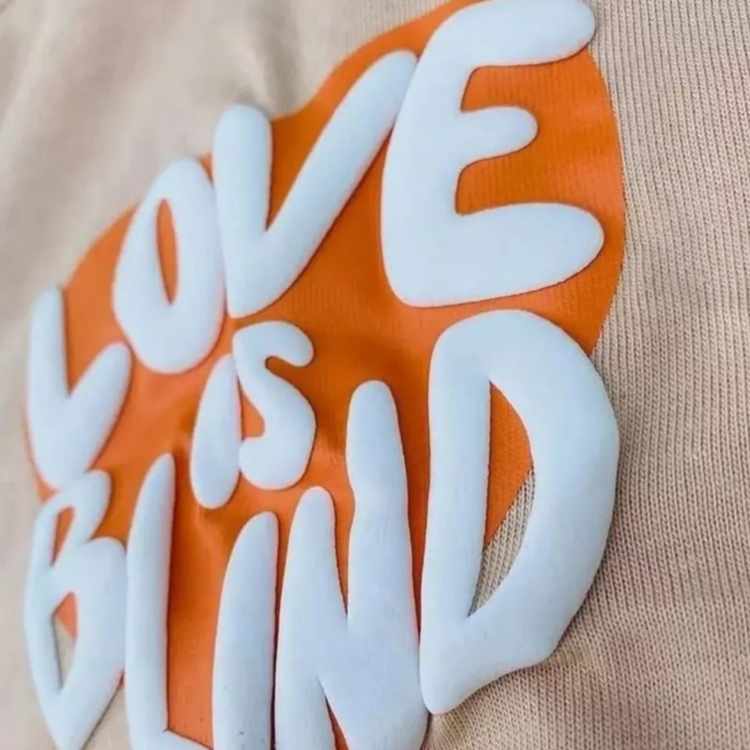
Ever grabbed a shirt off the conveyor belt only to realize the design looks more like the bumpy skin of an orange than a sleek, 3D logo? Yeah, it’s a classic. In many cases, the culprit is simply that you’ve blasted the ink with too much heat, way too fast. To fix this, you’ll want to ease off the temperature a bit and maybe slow down your belt speed. It gives that puff a real chance to breathe and expand naturally.
Cracking After Wash:
This is almost always under-curing. The ink didn’t fully fuse to the fibers. If you can peel the ink off with your fingernail, it’s a cure issue.
Uneven Puffing:
Check your off-contact. Actually, if your screen is dragging against the garment while you’re printing, you’ll find that the ink won’t release evenly. You really need that clean 1/8th inch gap for the best results.
The Business Case for Wholesale Puff Ink
I talk to shop owners every day. They ask me, “Why should I buy Wholesale Plastisol Ink in bulk?”
The answer is simple: Margins.
A standard t-shirt might sell for $20. A t-shirt with a high-quality, soft-hand 3D puff print can easily sell for $35 or $40 in the streetwear market. The cost of the ink per garment only increases by a few cents yet your profit increases by dollars. That is the kind of math I like.
At HONG RUI SHENG, we serve as a Screen Printing Ink Supplier that understands the bottom line. We don’t just sell you a bucket of goo. We sell you a tool to grow your business.
Puff Ink vs. High Density (HD) Ink: The Face-Off
I see printers mix these two up all the time, but they are totally different beasts. Let’s actually clear the air on this once and for all.
| Metric | Puff Ink | High Density (HD) Ink |
| Edges | Rounded/Soft | Sharp/Square |
| Application | Easy (Standard screens) | Hard (Requires thick emulsions) |
| Feel | Airy/Light | Solid/Heavy |
| Production Speed | Fast | Slow |
If you want a “technical” or “industrial” look, go with HD. But if you want something comfortable, trendy, and easier to produce, Puff Plastisol Ink is the winner every time.
Frequent Questions from the Shop Floor (FAQ)
1. Can I mix puff additive into any color?
Yes! You can take our Plastisol CMYK Ink and add a puff base to it. Just keep the ratio around 10-15% puff additive to 85-90% color. Too much additive will dilute the color and make it look pastel.
2. Is puff ink durable for workwear?
It’s durable but I wouldn’t use it for a construction worker’s uniform. The raised surface is more prone to abrasion than flat ink. For fashion, streetwear, and spirit wear, it’s perfect.
3. Does it work on polyester?
Yes but you have to be careful with dye migration. Use a Low Cure Plastisol Ink or an Anti Migration Printing Ink base to keep the shirt’s color from bleeding into your puff.
4. How should I wash puff-printed clothes?
I tell everyone the same thing: turn it inside out and wash on cold. Don’t use a high-heat dryer setting. Treat it with a little love and it will last for years.
5. Why choose HONG RUI SHENG over other brands?
We are a direct Plastisol Ink Manufacturer. We control the chemistry. Most suppliers are just middlemen but we live in the lab and the factory. You get better prices and better tech.
Final Thoughts from the Factory
Look, at the end of the day, screen printing is an art form. You are taking a blank piece of fabric and turning it into a walking billboard. Why not make that billboard 3D?
I’ve seen shops go from struggling to “fully booked” just by adding Puff Plastisol Ink to their catalog. It’s an easy upsell. It’s fun to print. And honestly, watching the ink rise in the dryer never gets old. It’s the closest thing we have to magic in this business.
If you’re ready to stop being flat and start being felt, give us a shout at HONG RUI SHENG. We’ll get you the ink you need to make your designs pop—literally.
Related products
- Special Series
Glow In The Dark Pink Plastisol Ink
- Special Series
Glow In The Dark Green Plastisol Ink
- Special Series
Glow In The Dark Orange Plastisol Ink
- Special Series
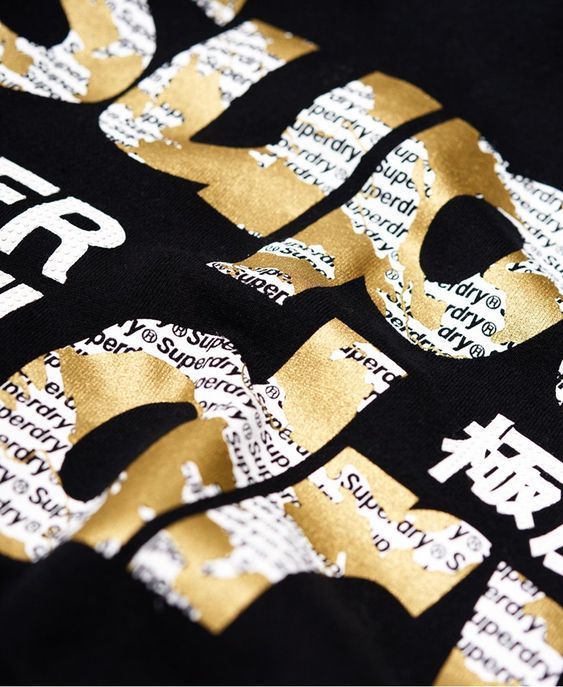
Metallic Gold Screen Printing Ink