
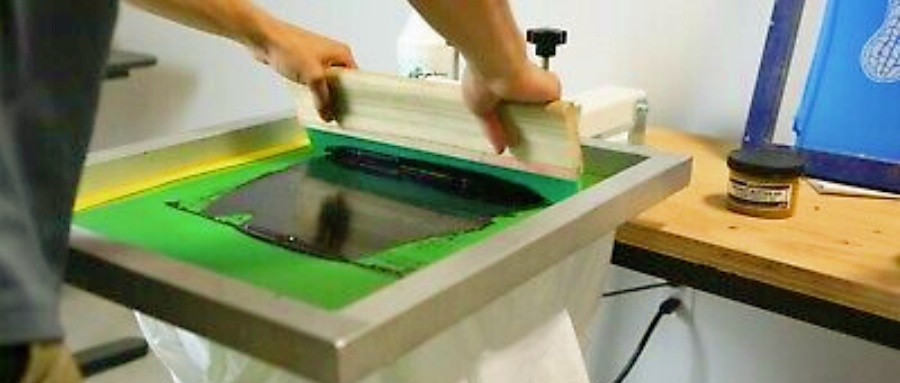
Different plastisol ink removal methods are designed for different surfaces and different stages of production. A spot-cleaning chemical may remove a small printing defect from a garment, while a screen wash is intended for cleaning wet ink from screens, squeegees and other printing equipment. The same product should not automatically be used for both jobs.
The condition of the ink also matters. Uncured plastisol remains relatively easy to collect or dissolve because it has not formed a fully fused ink film. Once the print has been cured, removing it becomes more difficult and increases the risk of damaging the fabric, coating or underlying surface.
This article compares six common plastisol ink removal methods according to their suitable applications, effectiveness, cost, safety requirements and risk of material damage. The purpose is to help printers choose an appropriate method rather than present one procedure as suitable for every situation.
For detailed removal instructions, see our complete plastisol remover guide.
Table of Contents
Quick Comparison of Plastisol Ink Removal Methods
The table below provides a general comparison. Actual results depend on the ink formulation, curing condition, fabric construction, substrate, time since printing and removal product used.
| Method | Suitable for | Cured ink | Relative effectiveness | Main advantage | Main risk |
|---|---|---|---|---|---|
| Plastisol spot remover | Small defects on garments | Yes, in limited areas | High for localized removal | Fast and precise | May leave a ring or damage fabric color |
| Screen wash | Screens, squeegees and tools | No or partly cured | High on fresh ink | Suitable for routine production cleaning | Usually unsuitable for garments |
| Solvent-based cleaning | Screens, tools and compatible hard surfaces | Depends on the solvent and ink condition | Medium to high | Strong cleaning ability | Fumes and material incompatibility |
| Heat and mechanical removal | Selected hard surfaces | Sometimes | Low to medium | May reduce chemical use | Scratching, deformation or heat damage |
| Household removal products | Limited garment or hard-surface testing | Usually weak | Low and unpredictable | Easy to obtain | Staining, color loss or spreading the ink |
| Professional screen reclaiming | Screens with dried ink or stencil residue | Yes, depending on severity | High for screen restoration | Thorough cleaning | Requires appropriate chemicals, equipment and waste handling |
No method is automatically the best choice. The correct option depends first on whether the ink is on a garment, an open screen, a blocked screen or a piece of production equipment.
Method 1: Plastisol Spot Remover
A plastisol spot remover is mainly used to correct small printing defects on finished garments. Typical applications include removing a small ink mark, cleaning overspray or correcting an isolated area where ink has transferred outside the intended design.
Professional spot-removal systems often combine a cleaning fluid with a high-pressure spot-cleaning gun. The fluid softens or breaks down the ink, while the pressure helps push the residue out of the fabric structure. This makes spot removal more suitable for localized defects than for removing an entire large print.
Suitable surfaces
Spot remover is primarily intended for textile applications, but suitability depends on the garment. Cotton fabrics generally tolerate cleaning better than delicate, coated or highly elastic materials. Polyester and sublimated fabrics require particular caution because aggressive chemicals can affect the dye, create discoloration or disturb the surface finish.
Effectiveness on cured ink
This is one of the more effective methods for small areas of cured plastisol ink. However, removal becomes less predictable when:
- The ink layer is thick.
- Several colors or print layers overlap.
- The ink has penetrated deeply into an open fabric structure.
- The garment contains delicate fibers or special coatings.
- The affected area is large.
Even when the visible ink is removed, the treated area may not return to its original appearance.
Cost and production use
The chemical cost per garment is usually manageable when the method is used for occasional defect correction. Labor becomes the main cost when many garments require treatment. If the same printing defect appears repeatedly, correcting the printing setup is normally more economical than cleaning each garment.
Main risks
Common risks include a visible cleaning ring, fabric distortion, color change and chemical residue. High-pressure cleaning can also stretch lightweight fabrics or damage the surface of performance garments.
Spot remover is therefore best suited to small, clearly defined defects. It is not normally the preferred method for stripping an entire cured image from a garment.
Method 2: Screen Wash
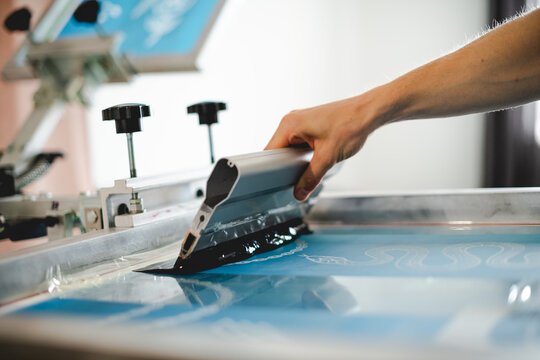
Screen wash is formulated for removing plastisol ink from screens, squeegees, flood bars and related printing tools. It is commonly used during color changes, at the end of a production run or before a screen enters the reclaiming process.
Unlike garment spot remover, screen wash is selected for its ability to dissolve or loosen ink on printing equipment. It is not automatically safe for clothing.
Suitable surfaces
Screen wash is normally used on:
- Screen mesh
- Screen frames
- Squeegee blades
- Flood bars
- Ink spatulas
- Compatible work surfaces
The user should confirm that the cleaner is compatible with the emulsion, mesh adhesive, frame material and surrounding equipment. A very aggressive cleaner may remove ink effectively but shorten the working life of other screen components.
Effectiveness on cured ink
Screen wash works best before plastisol ink has cured. Fresh ink can often be collected and returned to its container before the remaining residue is cleaned. This reduces chemical consumption and prevents excessive ink from entering the waste stream.
If ink has hardened in the mesh, ordinary screen wash may not be sufficient. The screen may require a stronger ink degrader, haze remover or a complete professional reclaiming process.
Cost and production use
For active printing shops, screen wash is generally one of the most practical options because it fits routine production cleaning. Its cost depends on evaporation rate, application method and how much ink is removed mechanically before the cleaner is applied.
Using excessive screen wash does not necessarily improve cleaning. It can increase chemical exposure, waste and cleaning time.
Main risks
Screen wash products vary considerably in strength. Potential problems include:
- Softening or damaging the stencil
- Weakening frame adhesive
- Leaving oily residue in the mesh
- Creating strong fumes in poorly ventilated areas
- Contaminating future prints if the screen is not properly prepared
Screen wash should be evaluated as a production-cleaning product, not as a general-purpose remover for every plastisol ink problem.
Method 3: Solvent-Based Cleaning
Solvent-based cleaning is a broad category rather than one standardized method. It may include commercial ink degraders, equipment cleaners and industrial solvents selected for specific surfaces.
These products can be effective, but performance and risk depend heavily on chemical composition. A solvent that works on a metal tool may damage plastic, rubber, adhesive, coated fabric or painted equipment.
Suitable surfaces
Solvent-based cleaners are most commonly considered for:
- Metal tools
- Compatible screen-printing equipment
- Selected hard work surfaces
- Screens requiring stronger cleaning than routine screen wash
They should not be assumed suitable for garments. Textile use requires separate compatibility testing because the solvent may remove dye, spread dissolved ink or leave a permanent mark.
Effectiveness on cured ink
Some solvent cleaners can soften partly dried or lightly cured plastisol residue. Fully fused ink is more difficult to remove because the resin and plasticizer have formed a continuous film.
Strong solvent action does not guarantee a clean result. The softened ink may smear over a larger area, enter small surface irregularities or redeposit as the solvent evaporates.
Cost and production use
The purchase price of industrial solvent may appear low, but the total cost also includes ventilation, personal protective equipment, fire control, chemical storage and waste disposal. Highly volatile solvents can evaporate quickly and increase consumption.
A commercial cleaner designed for the relevant printing application is generally more predictable than an unidentified general-purpose solvent.
Main risks
The principal risks are:
- Flammable or combustible vapors
- Respiratory and skin exposure
- Damage to plastic, rubber, coatings or adhesives
- Surface discoloration
- Ink spreading instead of being removed
- Improper storage or disposal
Safety data sheets should be reviewed before the cleaner is introduced into production. Compatibility testing remains necessary even when the product is marketed for industrial ink removal.
Method 4: Heat and Mechanical Removal
Heat and mechanical action may be used on certain hard surfaces when chemical use needs to be limited. The method relies on softening the ink or physically separating it from the surface.
It is rarely a good choice for printed garments. Don’t try to reheat cured plastisol—heat locks the vinyl into the fabric, and hitting it again just turns the print into a sticky mess that presses deeper into the knit and scorches the shirt.
Suitable surfaces
This approach may be considered for selected:
- Smooth metal surfaces
- Heat-resistant tools
- Rigid surfaces that will not scratch easily
It is generally unsuitable for fabric, coated panels, painted surfaces, plastics and components with heat-sensitive adhesives.
Effectiveness on cured ink
Results depend strongly on the bond between the plastisol and the underlying surface. Ink may lift more easily from a smooth, nonporous tool than from textured, porous or coated material.
Mechanical removal alone is usually ineffective on ink that has entered surface pores or adhered strongly. It may remove the upper layer while leaving a visible film behind.
Cost and production use
The material cost is low, but the labor requirement can be high. It is not efficient for routine cleaning or large production areas.
This method is better treated as a limited maintenance option for compatible hard surfaces rather than a standard ink-removal process.
Main risks
Scraping may scratch the surface or create small metal particles. Excessive heat can deform parts, weaken adhesives or create fumes from heated ink residue. The equipment must be allowed to cool and should be examined before returning to production.
Method 5: Household Removal Products
Household products are sometimes suggested as alternatives to professional plastisol removers. Examples may include rubbing alcohol, nail-polish remover, citrus cleaners or other general-purpose cleaning liquids.
The main problem is inconsistency. Household products are not normally formulated or tested for screen-printing inks, and products sold under the same general description may contain different solvent systems.
Suitable surfaces
Household products should only be considered for limited testing on low-value items. They are not reliable enough for bulk garment correction or controlled industrial cleaning.
A product that appears safe on white cotton may cause color loss on dyed polyester, leave a ring on blended fabric or affect a water-repellent finish.
Effectiveness on cured ink
Most household products have limited effectiveness on fully cured plastisol ink. They may soften the surface, remove a light stain or reduce the visibility of a small mark, but complete removal is uncommon.
Repeated application can make the result worse by spreading pigment and dissolved ink into a larger section of the fabric.
Cost and production use
Household cleaners are inexpensive and easy to obtain, but a low purchase price does not make them economical for production. Unpredictable results can lead to rejected garments, repeated treatment and additional labor.
They are unsuitable where consistent appearance, documented chemical control or customer approval is required.
Main risks
The main risks include:
- Fabric color loss
- Ring marks
- Ink spreading
- Fiber weakening
- Residue or odor
- Unknown compatibility with garment finishes
- Inconsistent results between products
For commercial printing, a purpose-made product with available technical and safety information is usually easier to control.
Method 6: Professional Screen Reclaiming
Professional screen reclaiming is used when a screen must be returned to clean mesh for future coating and exposure. It may involve separate products for ink removal, emulsion removal and haze or ghost-image treatment.
This is different from routine screen washing. Screen wash may clean the ink while leaving the stencil in place, whereas reclaiming removes the stencil and prepares the mesh for reuse.
Suitable surfaces
This method is specifically intended for screen-printing mesh and frames. The chemical system must be compatible with the mesh type, adhesive and frame construction.
Professional reclaiming is not intended for removing a print from a garment.
Effectiveness on cured ink
A proper reclaiming system can remove stubborn ink and stencil residue more effectively than routine screen wash. However, screens that have been stored with ink in the mesh or exposed to excessive heat may require stronger treatment.
Ghost images do not always mean that usable ink remains in the screen. Pigments and chemical residues can stain the mesh even after the main ink deposit has been removed.
Cost and production use
Reclaiming requires more time and equipment than routine cleaning. Costs may include:
- Ink degrader
- Emulsion remover
- Haze remover
- Pressure washing
- Ventilation
- Wastewater management
- Labor and screen-drying time
The process is economical when the screen can be restored without damaging the mesh. Repeated aggressive reclaiming may reduce screen life.
Main risks
Incorrect chemical combinations can lock emulsion into the mesh or produce hazardous reactions. Strong haze removers may damage mesh fibers, adhesives and frames if used excessively.
Products should be applied in the sequence recommended by their manufacturers. Reclaiming chemicals should not be mixed unless compatibility has been confirmed.
Which Method Works Best on Fabric?
For a small printing defect on a conventional cotton garment, a professional plastisol spot remover is generally the most appropriate option. It provides more localized treatment than general solvent cleaning and is designed for production correction.
The decision becomes more difficult with:
- Polyester fabrics
- Sublimated garments
- Elastane-containing blends
- Lightweight knitted fabrics
- Coated or water-resistant materials
- Large, fully cured prints
- Multiple ink layers
These materials may react to the remover even when the ink can be dissolved. The chemical can disturb the fabric dye, alter the finish or create a visible difference between the treated and untreated areas.
Household products are less predictable and should not be treated as equivalent substitutes. Screen wash should also not be applied to garments unless the product manufacturer specifically confirms that use.
When the affected area is large, garment replacement may be more economical and visually reliable than attempting complete removal.
Which Method Works Best on Screens?
The condition of the ink determines the appropriate screen-cleaning method.
For fresh, uncured ink, the practical choice is usually to collect as much reusable ink as possible and then use a compatible screen wash. This method is suitable when the stencil will remain on the screen for another production run.
When the stencil must be removed, a complete reclaiming process is more appropriate. Ink residue should be removed before the emulsion remover is applied. Screens with hardened ink or severe ghosting may also require an ink degrader or haze remover.
Solvent cleaning may help with stubborn residue, but chemical strength must be balanced against mesh, adhesive and stencil compatibility. Stronger is not always better. A cleaner that removes ink rapidly but damages the screen creates a higher total cost.
Cost, Safety and Material-Risk Comparison
The lowest-priced product is not always the least expensive removal method. The real cost includes labor, rejected materials, ventilation, protective equipment and disposal.
| Method | Chemical cost | Labor requirement | Material risk | Best use |
|---|---|---|---|---|
| Plastisol spot remover | Medium | Medium | Medium | Small garment defects |
| Screen wash | Low to medium | Low | Low to medium | Routine screen and tool cleaning |
| Solvent cleaning | Low to medium | Medium | Medium to high | Compatible equipment and stubborn residue |
| Heat and mechanical removal | Low | High | High | Limited hard-surface maintenance |
| Household products | Low | Medium to high | High and unpredictable | Non-production testing only |
| Professional reclaiming | Medium to high | High | Medium | Restoring screens for reuse |
Safety requirements also differ. A garment spot-cleaning station may require local exhaust ventilation, while a reclaiming area must control chemical spray and wastewater. Solvent storage may introduce separate fire and exposure requirements.
Before adopting a removal method, the printer should review the cleaner’s safety data sheet and confirm local rules for storage, worker exposure and waste handling.
How to Choose the Right Removal Method
The following questions help separate the six methods:
1. Where is the ink?
Use garment-specific spot removal for localized textile defects. Use screen wash or reclaiming products for screens. Use equipment-compatible cleaners for tools and hard surfaces.
2. Is the ink cured?
Fresh plastisol is easier to collect and clean. Fully cured ink requires stronger treatment and carries a greater risk of surface damage.
3. How large is the affected area?
Spot removal is intended for small defects. Attempting to remove a large print can require substantial labor and may leave a visible area even when most of the ink is removed.
4. What is the substrate?
Cotton, polyester, coated fabric, metal, plastic and screen mesh respond differently to chemicals, heat and pressure. The cleaner must be selected for the substrate as well as the ink.
5. Does the original appearance need to be restored?
Removing the ink does not always restore the original surface. Fabric may retain a mark, mesh may show ghosting, and hard surfaces may remain stained or scratched.
6. Can the result be tested first?
Testing on a hidden area, production offcut or rejected sample provides useful evidence before an entire batch is treated. This is especially important for dyed polyester and finished performance fabrics.
Frequently Asked Questions
What is the best method for removing cured plastisol ink from a shirt?
A professional spot remover and spot-cleaning gun are usually the most controlled choice for small defects. Large fully cured prints are rarely economical to remove and may leave visible fabric damage.
Can screen wash be used on clothing?
Screen wash is normally designed for screens and printing tools. Do not use it on garments unless the manufacturer specifically confirms that it is compatible with textile spot cleaning.
Can acetone remove plastisol ink?
Acetone is not recommended for garments. It can smear softened ink, damage synthetic fibers, strip fabric dye and harm plastic or rubber equipment parts.
Is uncured plastisol easier to remove than cured plastisol?
Yes. Uncured plastisol has not formed a fully fused film, so it is easier to collect or dissolve. Cured ink is more resistant and removal carries more risk of material damage.
Can an entire plastisol print be removed from a garment?
It may be technically possible, but the result is rarely clean. Large prints and multiple ink layers require more treatment and can leave stains, outlines or an altered fabric surface.
What is the difference between screen washing and screen reclaiming?
Screen washing removes ink while usually preserving the stencil for continued use. Screen reclaiming removes ink, stencil and residue so the mesh can be coated and exposed again.
Why does a screen still show an image after cleaning?
The remaining image may be mesh staining or ghosting rather than removable ink. A compatible haze remover may help, although aggressive treatment can shorten screen life.
Should the strongest solvent be selected for faster cleaning?
Not necessarily. Strong solvents may damage mesh adhesive, plastic parts, coatings, fabric dyes or emulsion. Choose a cleaner that removes the ink while remaining compatible with the material and process.
Conclusion
Plastisol ink removal methods cannot be evaluated by cleaning strength alone. The correct choice depends on the location and condition of the ink, the underlying material, the size of the affected area and the acceptable risk of surface damage.
For small defects on garments, a professional spot remover is usually the most controlled option. For fresh ink on screens and tools, screen wash is more appropriate. Screens being prepared for reuse require a complete reclaiming process, while solvents, household products, heat and mechanical removal should be considered only after their material limitations are understood.
Selecting the method according to the surface and production stage reduces unnecessary chemical use, rejected garments and damage to printing equipment. When compatibility is uncertain, test the method on a sample before treating saleable products or reusable screens.