
ในฐานะผู้เชี่ยวชาญด้านโซลูชันที่ หง รุย เซิง, ฉันใช้เวลาหลายปีในโรงงานเพื่อแก้ไขปัญหาในสายการผลิตที่มีปริมาณมาก เมื่อคุณกำลังพิจารณาสัญญาการผลิต 50,000 ชิ้น คุณไม่ได้แค่ซื้อหมึกพิมพ์ แต่คุณกำลังซื้อเวลาการทำงาน ความสม่ำเสมอ และความสบายใจ.
สรุปได้ว่า การเลือกใช้สูตรพลาสติซอลคุณภาพสูงสามารถลดเวลาหยุดทำงานประจำวันลงได้ถึง 151,000 ตัน และแทบจะกำจัดปัญหา "หมึกซึม" บนเครื่องพิมพ์อัตโนมัติได้เลย ต่างจากหมึกพิมพ์แบบน้ำ พลาสติซอลจะคงสภาพ "เปิด" อยู่บนตาข่ายได้ตลอดไป ความเสถียรนี้คือเคล็ดลับสำคัญสำหรับรอบการผลิตตลอด 24 ชั่วโมง 7 วันต่อสัปดาห์ ทำให้มั่นใจได้ว่าเสื้อตัวแรกจะออกมาเหมือนกับตัวสุดท้ายทุกประการ.
สารบัญ
เหตุผลที่เราเลือกใช้พลาสติซอลเพื่อความสำเร็จในการเพิ่มปริมาณ
ในโลกของการตกแต่งเสื้อผ้าแบบมืออาชีพ พลาสติซอลยังคงเป็นสุดยอดแห่งประสิทธิภาพอย่างไม่ต้องสงสัย นี่คือเหตุผลที่เราแนะนำให้ใช้สำหรับงานพิมพ์จำนวนมากครั้งต่อไปของคุณ:
- ไม่มีการแห้งตัวก่อนใช้งาน: คุณสามารถทิ้งหมึกของเราไว้บนหน้าจอได้ในระหว่างพักกลางวัน หรือแม้กระทั่งข้ามคืน โดยไม่ทำให้หมึกอุดตัน จากการศึกษาด้านการผลิตโดย คัสตอมปริ้นท์, ซึ่งจะช่วยประหยัดค่าใช้จ่ายด้านแรงงานประมาณ 151,000 เปโซต่อวันให้กับร้านค้าต่างๆ ซึ่งปกติแล้วค่าใช้จ่ายเหล่านี้มักสูญเปล่าไปกับการขัดหน้าจอ.
- ความทนทานขั้นสุด: งานพิมพ์พลาสติซอลที่ผ่านกระบวนการอบแห้งอย่างถูกต้องจะมีความทนทานสูง การทดสอบแสดงให้เห็นว่าสามารถทนต่อการซักได้มากกว่า 100 ครั้งก่อนที่จะเริ่มเสื่อมสภาพ ในขณะที่งานพิมพ์ที่ใช้สีน้ำมักจะซีดจางหลังจาก 30 ครั้ง.
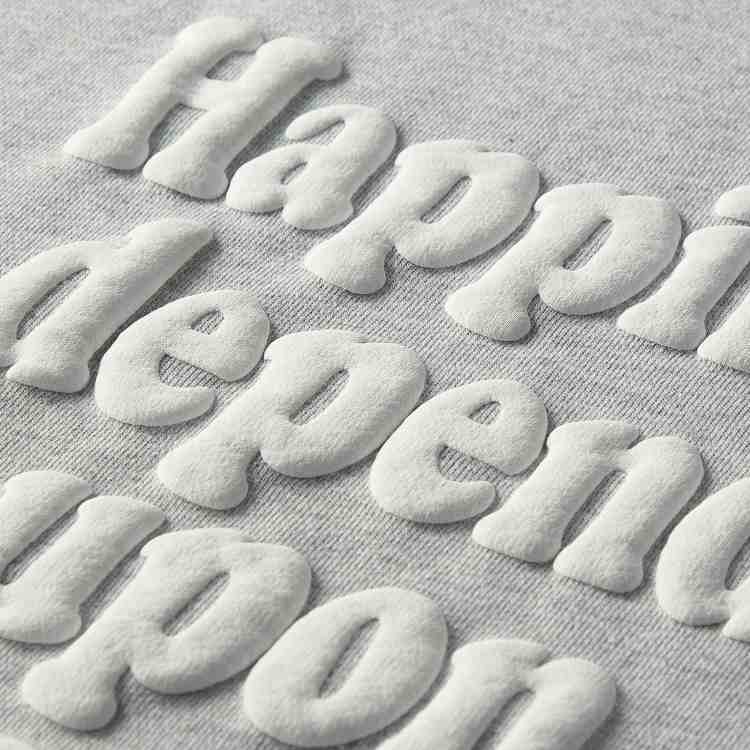
- ความทึบแสงสูง: สูตรสีของเราได้รับการออกแบบมาให้ "เกาะติด" อยู่บนเส้นใยผ้า ซึ่งหมายความว่าคุณจะได้สีสันสดใสบนเสื้อผ้าสีเข้มด้วยจำนวนครั้งการลงสีที่น้อยลง ช่วยประหยัดค่าใช้จ่ายในทุกๆ เสื้อ.
ปรับสูตรให้เข้ากับปัญหาของคุณ
ที่ HONG RUI SHENG เราไม่เชื่อในแนวคิด "ขนาดเดียวใช้ได้กับทุกอย่าง" การเลือกของคุณควรขึ้นอยู่กับชนิดของผ้าและความจุของเครื่องอบผ้าของคุณ.
1. สีขาวที่มีความทึบแสงสูง (HO)
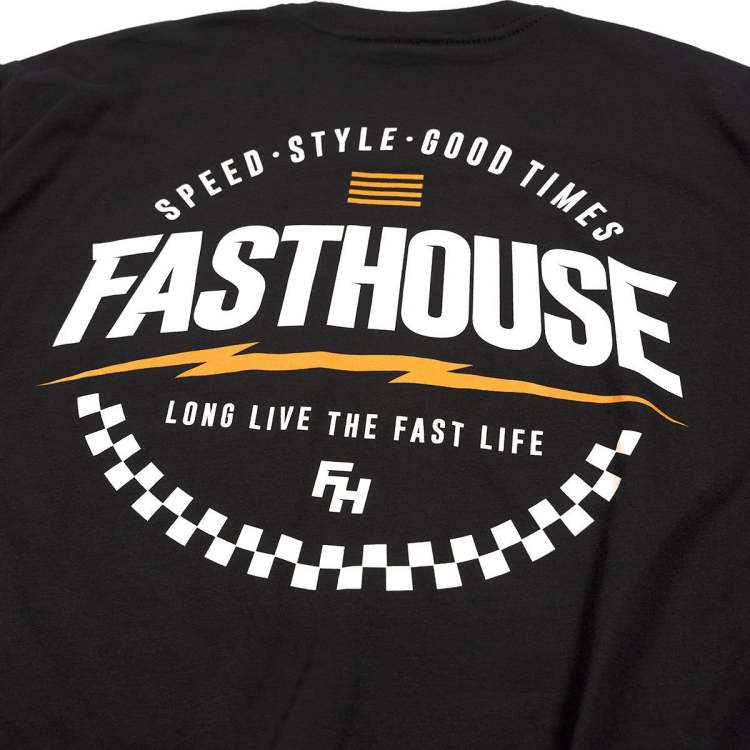
หากคุณต้องการพิมพ์สีขาวลงบนผ้าฝ้ายสีดำ คุณต้องใช้สูตรที่สามารถปกปิดได้หมดจดในครั้งเดียว.
- ประโยชน์ที่ได้รับ: มันช่วยป้องกันผลกระทบจาก "การเปลี่ยนสีเป็นสีเทา" และลดความจำเป็นในการตีเบสสองครั้ง.
- แนวทางปฏิบัติที่ดีที่สุด: ใช้ตะแกรงขนาด 230 เมช เพื่อให้ได้ฟิล์มหมึกที่บางและเรียบเนียนกว่า ให้ความรู้สึกพรีเมียมมากกว่าความทนทานแบบ "กันกระสุน"“
- โซลูชันของ HONG RUI SHENG:
2. สารละลายที่มีอัตราการไหลต่ำ (LB) และอัตราการบ่มต่ำ
กำลังพิมพ์ลงบนผ้าโพลีเอสเตอร์ 100% หรือผ้าผสมประสิทธิภาพสูงใช่ไหม? “การเคลื่อนตัวของสี” คือศัตรูตัวฉกาจที่สุดของคุณ.
- วิธีแก้ปัญหา: ผลิตภัณฑ์ตระกูล SDLA ของเราสามารถบ่มตัวได้ที่อุณหภูมิต่ำเพียง 270°F (132°C).
- ข้อมูล: การลดอุณหภูมิเครื่องอบผ้าไม่เพียงแต่ช่วยป้องกันผ้าไหม้เท่านั้น แต่ยังช่วยลดการใช้พลังงานได้ถึง 15-20% อีกด้วย .
ตารางเปรียบเทียบสูตร
| ประเภทหมึก | ดีที่สุดสำหรับ | ข้อได้เปรียบที่สำคัญ | แก้ปัญหา... |
| ความทึบแสงสูง (HO) | ผ้าฝ้ายสีเข้ม | การรายงานแบบ One-hit | สีไม่สดใส/มองทะลุได้ |
| เลือดออกน้อย (LB) | โพลีเบลนด์ | ป้องกันการเคลื่อนที่ของสีย้อม | “ลายพิมพ์ "สีชมพู" บนเสื้อสีแดง |
| การบ่มต่ำ | ไวต่อความร้อน | อบแห้งที่อุณหภูมิ 270°F | การหดตัวและการไหม้ของผ้า |
| อีโคซีรีส์ (SDLA) | แบรนด์ค้าปลีก | ปราศจาก PVC และพทาเลต | การปฏิบัติตามมาตรฐานระดับโลก (OEKO-TEX) |
วิธีการขยายธุรกิจ: โปรโตคอล 3 ขั้นตอนของเรา
ขั้นตอนที่ 1: การทดสอบการซัก 48 ชั่วโมง
ห้ามเริ่มพิมพ์จำนวนมากโดยไม่ทำการทดสอบการซักก่อน สำหรับผ้าโพลีเอสเตอร์ ให้รอ 48 ชั่วโมงหลังจากการพิมพ์เพื่อดูว่าสีย้อมผ้าซึมเข้าไปในหมึกหรือไม่.
ขั้นตอนที่ 2: ปรับเทียบเวลาแฟลชของคุณ
ในการพิมพ์จำนวนมาก ทุกวินาทีมีความสำคัญ เราออกแบบหมึกพิมพ์ของเราให้มีเวลาในการแห้งตัวเพียง 3-5 วินาที หากหมึกพิมพ์ที่คุณใช้อยู่ในปัจจุบันใช้เวลา 10 วินาทีในการแห้งตัว คุณจะลดผลผลิตต่อชั่วโมงลงเกือบ 401 แผ่นต่อ 4 ม้วน ตรวจสอบการเปรียบเทียบวิธีการพิมพ์สกรีนของเราเพื่อเรียนรู้เพิ่มเติมเกี่ยวกับการเพิ่มประสิทธิภาพความเร็ว.
ขั้นตอนที่ 3: ตรวจสอบให้แน่ใจว่าปฏิบัติตามกฎระเบียบทั่วโลก
แบรนด์ชั้นนำให้ความสำคัญกับความปลอดภัย ผลิตภัณฑ์ซีรีส์ CHJT ของเราปราศจากสารพทาเลต หมึกพลาสติซอล ที่ตรงตามมาตรฐาน OEKO-TEX และ GOTS เมื่อคุณใช้ หมึกที่เป็นมิตรกับสิ่งแวดล้อม ทางเลือกใหม่ๆ เหล่านี้จะเปิดประตูสู่ตลาดค้าปลีกระดับไฮเอนด์ในยุโรปและสหรัฐอเมริกา.
ข้อมูลเชิงลึกจากผู้เชี่ยวชาญ: หากหมึกมีความหนาเกินไปสำหรับเครื่องพิมพ์อัตโนมัติของคุณ ให้เติม "สารลดความหนืดแบบแห้งตัวได้" แต่ระวังอย่าให้เกิน 5% โดยน้ำหนัก มิเช่นนั้นจะทำให้ความทึบแสงและความคงทนต่อการซักลดลง.
กรณีศึกษา: เพิ่มผลผลิตด้วย 22%
ปีที่แล้ว ลูกค้ารายหนึ่งประสบปัญหาในการผลิตสินค้าจำนวน 50,000 ชิ้น พวกเขาใช้หมึกราคาประหยัดที่ต้องใช้กระบวนการ "พิมพ์-แฟลช-พิมพ์-แฟลช-พิมพ์" ซ้ำๆ เพื่อให้ได้สีขาวที่ดูดี พวกเขาติดอยู่ที่การผลิต 400 ชิ้นต่อชั่วโมง.
เราเปลี่ยนไปใช้สีขาวความทึบแสงสูงรุ่น SDLA-1101 ของเราแทน.
- ผลลัพธ์: พวกเขาตัดสถานีแฟลชออกไปหนึ่งแห่งโดยสิ้นเชิง.
- ประสิทธิภาพ: กำลังการผลิตเพิ่มขึ้นเป็น 650 ชิ้นต่อชั่วโมง.
- เงินออม: ด้วยการใช้หมึกที่มีอัตราการแห้งตัวต่ำ พวกเขาจึงประหยัดค่าไฟฟ้าได้ถึง 1,200 บาท ในเดือนนั้นเดือนเดียว.
คำถามที่พบบ่อย (FAQ)
คำถามที่ 1: ทำไมหมึกพลาสติโซลของฉันถึงแตกหลังจากซัก?
สาเหตุส่วนใหญ่เกิดจากการอบแห้งที่ไม่สมบูรณ์ หมึกถึงขั้น "เป็นเจล" แต่ไม่ได้หลอมรวมเข้ากับเนื้อผ้า ตรวจสอบให้แน่ใจว่า... ทั้งหมด ฟิล์มหมึกมีอุณหภูมิถึงระดับที่ต้องการแล้ว โปรดดูข้อมูลความสม่ำเสมอของแต่ละล็อตเพื่อดูรายละเอียดอุณหภูมิที่แน่นอน.
คำถามที่ 2: ฉันจะทำให้เนื้อสัมผัสของพลาสติโซล "นุ่มนวล" ได้อย่างไร?
ใช้ตะแกรงที่มีความละเอียดสูง (230 ขึ้นไป) หรือเติมเบสเนื้อนุ่มลงในหมึก วิธีนี้จะช่วยให้เนื้อหมึกบางลงโดยไม่สูญเสียความยืดหยุ่น.
คำถามที่ 3: หมึกพลาสติซอลปลอดภัยสำหรับเสื้อผ้าเด็กหรือไม่?
เฉพาะในกรณีที่ปราศจากสารพทาเลตเท่านั้น ผลิตภัณฑ์ซีรีส์ SDLA ของเราได้รับการคิดค้นสูตรมาโดยเฉพาะเพื่อให้เป็นไปตามข้อกำหนดด้านความปลอดภัยสำหรับเด็ก.
Q4: ฉันสามารถพิมพ์พลาสติซอลลงบนโพลีเอสเตอร์ 100% ได้หรือไม่?
ใช่ แต่คุณ ต้อง ใช้สูตร Low-Bleed (LB) หรือสีรองพื้นสีเทาเพื่อป้องกันไม่ให้สีย้อมผ้า "ซึม" ไปปนกับสีอื่นๆ.
คำถามที่ 5: ฉันสามารถเก็บหมึกหนึ่งถังไว้ได้นานแค่ไหน?
พลาสติซอลมีอายุการเก็บรักษาที่ยาวนานมาก หากเก็บไว้ในที่แห้งและเย็น จะคงสภาพได้นานกว่า 2 ปี.
สรุป: เพิ่มประสิทธิภาพการผลิตของคุณด้วยหมึกพลาสติโซลแบบกำหนดเองคุณภาพสูง
เราเชี่ยวชาญในการตัดเย็บเสื้อผ้าตามสั่ง สารละลายหมึกพลาสติซอล สำหรับ ผู้ผลิตงานพิมพ์สกรีน และแบรนด์ต่างๆ ตั้งแต่การคิดค้นสูตรเริ่มต้นไปจนถึงการผลิตจำนวนมาก HONG RUI จัดการกระบวนการที่ซับซ้อนทั้งหมด ทำให้คุณสามารถมุ่งเน้นไปที่คุณภาพได้.
ประสิทธิภาพเหนือระดับ: บริการจับคู่สีและพัฒนาสูตรเฉพาะสำหรับเครื่องแต่งกาย ชุดกีฬา และสิ่งทอประสิทธิภาพสูง.
รับประกันคุณภาพการผลิต: ราคาขายส่งที่แข่งขันได้สูง โดยมีปริมาณการสั่งซื้อขั้นต่ำเพียง 10 กิโลกรัม.
จัดส่งรวดเร็ว: บริการทดสอบตัวอย่างฟรี ดำเนินการเสร็จภายใน 3-7 วัน ตามด้วยการผลิตจำนวนมากภายใน 2-4 สัปดาห์.
พร้อมที่จะปรับปรุงผลลัพธ์การพิมพ์ของคุณแล้วหรือยัง?
กรุณากรอกแบบฟอร์มด้านล่าง โดยระบุรายละเอียดของผ้าและข้อกำหนดด้านประสิทธิภาพ ผู้เชี่ยวชาญด้านเทคนิคของเราจะพัฒนาสูตรเฉพาะตามความต้องการใช้งานของคุณ โดยเริ่มจากการทดสอบตัวอย่างฟรีเพื่อให้คุณพึงพอใจอย่างเต็มที่.