
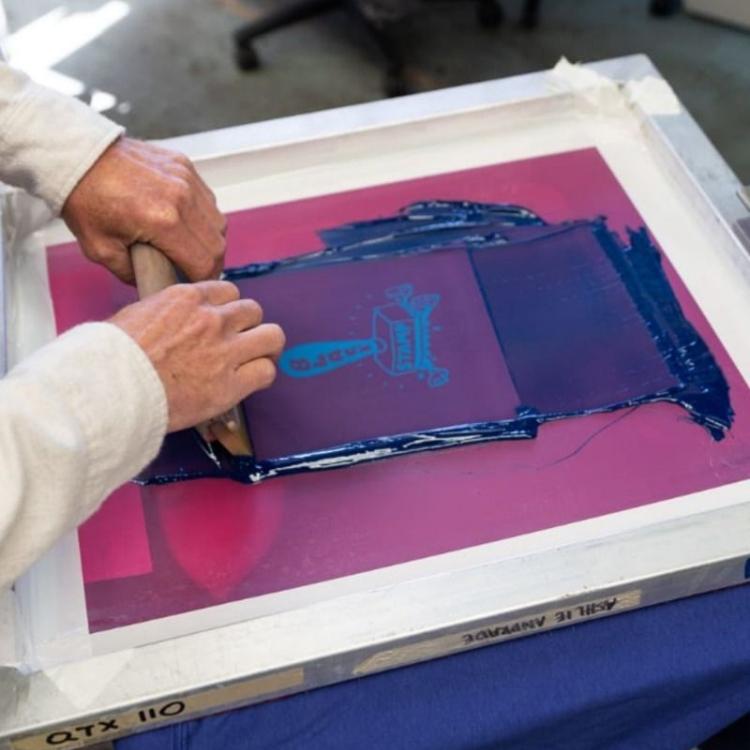
หากคุณต้องการตั้งราคาที่สูงขึ้นและทำให้ลูกค้ากลับมาใช้บริการซ้ำ, หมึกพลาสติซอลโลหะ นี่คืออาวุธลับของคุณ คำตอบสุดท้ายนั้นง่ายมาก: การใช้หมึกโลหะคุณภาพสูงช่วยให้คุณสามารถตั้งราคาสินค้าได้สูงขึ้น 15% ถึง 25% ต่อชิ้น เนื่องจากความรู้สึกหรูหราและความทนทานที่หมึกเหล่านี้มอบให้ ต่างจากหมึกที่ใช้สารละลายน้ำ หมึกเหล่านี้จะคงสภาพอยู่บนหน้าจอได้นานหลายวัน หมายความว่าร้านของคุณจะหยุดทำงานน้อยลงและไม่สิ้นเปลืองหมึกเลย.
ที่ หง รุย เซิง, เราได้เห็นด้วยตนเองแล้วว่าการเปลี่ยนไปใช้ผลิตภัณฑ์เฉพาะทางนั้นมีผลอย่างไร หมึกพลาสติซอล เราเปลี่ยนเสื้อยืดธรรมดาให้กลายเป็นสินค้าพรีเมียมสำหรับจำหน่ายปลีก เราไม่ได้แค่ขายหมึกพิมพ์ แต่เราช่วยแก้ปัญหาความยุ่งยากของโรงพิมพ์สมัยใหม่.
สารบัญ
เหตุใดร้านพิมพ์เชิงพาณิชย์จึงเปลี่ยนจากหมึกพิมพ์ธรรมดามาใช้หมึกพิมพ์เมทัลลิก
ในโลกแห่งการพิมพ์เชิงพาณิชย์ที่มีการแข่งขันสูง คำว่า “ดีพอ” นั้นใช้ไม่ได้อีกต่อไปแล้ว เราได้วิเคราะห์ตลาดแล้ว และพบว่าการเปลี่ยนแปลงไปสู่หมึกพิมพ์สิ่งทอเฉพาะทางนั้นเกิดจากสิ่งเดียวคือ ความน่าดึงดูดใจเมื่อวางบนชั้นวางสินค้า.
ผลตอบแทนจากการลงทุน (ROI) ของ “ชิมเมอร์”
จากข้อมูลอุตสาหกรรมของ Plastisol-inks.com พบว่า การพิมพ์ด้วยสีเมทัลลิกมีประสิทธิภาพเหนือกว่าสีมาตรฐานในด้านความคงทนต่อการซักและความทึบแสงบนผ้าสีเข้มอย่างเห็นได้ชัด เมื่อเราพูดคุยกับลูกค้า B2B ของเรา ผลตอบรับก็สอดคล้องกัน ลูกค้ามองว่าการพิมพ์สีทองและสีเงินมีคุณภาพระดับ “ดีไซเนอร์”.
เคล็ดลับจากมืออาชีพ: อย่าเสนอแค่ "ทองคำ" แต่ให้เสนอ "ผิวเคลือบโลหะหรูหรา" การเปลี่ยนคำศัพท์สามารถเพิ่มอัตราการยอมรับใบเสนอราคาของคุณได้ถึง 101,000 ดอลลาร์สหรัฐ.
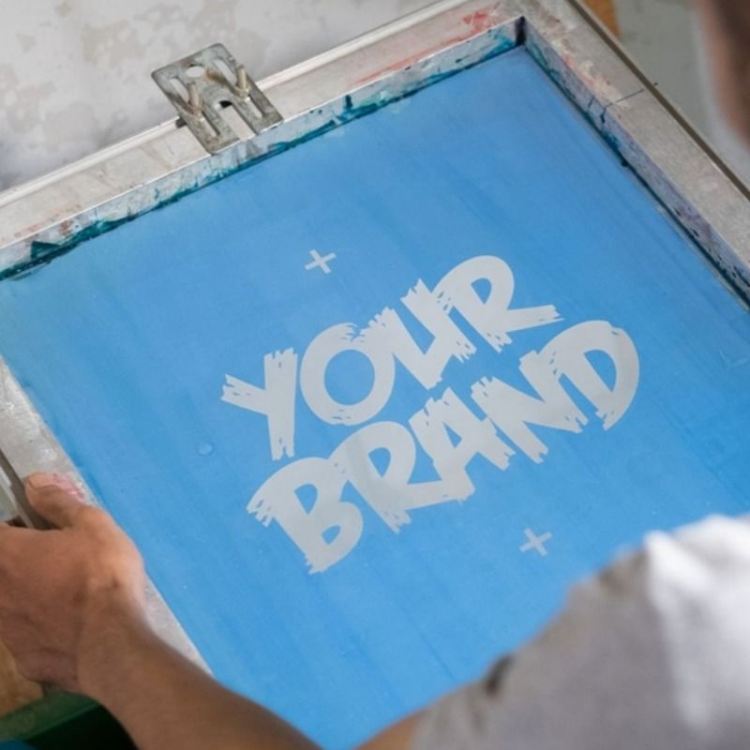
ความสะดวกในการใช้งานสำหรับการผลิตจำนวนมาก
ต่างจากหมึกพิมพ์แบบน้ำที่แห้งติดตะแกรงได้ภายใน 5 นาที หมึกพิมพ์ของเรานั้น... หมึกพลาสติซอลสำหรับงานพิมพ์สกรีน ยังคงมีความยืดหยุ่น สำหรับร้านค้าที่วุ่นวาย นั่นหมายความว่า:
- ไม่มีการอุดตันของหน้าจอ ระหว่างการผลิตต่อเนื่องเป็นเวลานาน.
- ทำความสะอาดง่ายหมึกส่วนเกินจะถูกเทกลับลงไปในถัง.
- สีสม่ำเสมอ ตั้งแต่เสื้อตัวแรกจนถึงตัวที่ 500.
ข้อกำหนดทางเทคนิค: การทำความเข้าใจหลักวิทยาศาสตร์อย่างถูกต้อง
คุณไม่สามารถแค่เอาหมึกสีเมทัลลิกไปพรมลงบนหน้าจอไหนก็ได้แล้วหวังว่าจะได้ผลลัพธ์ที่มหัศจรรย์ เกล็ดเมทัลลิกต้องการพื้นที่ในการหายใจ.
สภาพแวดล้อมที่สำคัญต่อความสำเร็จ
อ้างอิงจากแนวปฏิบัติที่ดีที่สุดจาก โรแลนด์ ดีจีเอ และ บริษัท อินเตอร์เนชั่นแนล โค้ทติ้งส์, นี่คือ "คู่มือฉบับย่อ" ที่เราใช้ในห้องปฏิบัติการทดสอบของเราเอง:
| พารามิเตอร์ | การตั้งค่าที่แนะนำ | เหตุใดมันจึงสำคัญ |
| จำนวนตาข่าย | 86 – 156 tpi | ช่วยป้องกันไม่ให้เศษโลหะติดอยู่ในตาข่าย. |
| ไม้ปาดน้ำ | ความแข็ง 70 – 75 ดูโรมิเตอร์ | ให้แรงดันมากพอที่จะผลักดันหมึกให้ผ่านตะแกรง. |
| อุณหภูมิการอบแห้ง | 320°ฟาเรนไฮต์ (160°เซลเซียส) | ช่วยให้เรซินห่อหุ้มเกล็ดโลหะได้อย่างสมบูรณ์. |
| ใต้ฐาน | ฐานใสหรือโพลีเมอร์ | ช่วยเพิ่มความสว่างและป้องกันการตกสีบนผ้าโพลีเอสเตอร์. |
แนวทางปฏิบัติที่ดีที่สุด: วิธี “โจมตีสองครั้ง”
หากต้องการสีเงินหรือสีทองที่สว่างสดใสที่สุด เราขอแนะนำ พิมพ์-แฟลช-พิมพ์ วิธี.
- พิมพ์เลเยอร์แรกของคุณ.
- อบแห้งด้วยแสงแฟลชประมาณ 3-5 วินาที (จนกว่าจะแห้งสนิทเมื่อสัมผัส).
- พิมพ์ชั้นที่สอง วิธีนี้จะสร้างเอฟเฟ็กต์ "กระจก" ที่การพิมพ์แบบครั้งเดียวไม่สามารถทำได้ การใช้หมึกพิมพ์สกรีนคุณภาพสูงจะช่วยให้ชั้นต่างๆ ยึดติดกันได้อย่างสมบูรณ์แบบโดยไม่ลอกล่อน.
แก้ปัญหาฝันร้าย "การหลุดลอก"
ข้อร้องเรียนที่พบบ่อยที่สุดจากลูกค้าใหม่คือ “งานพิมพ์สีทองของฉันหลุดลอกหมดในครั้งเดียว!” ปัญหานี้เกือบทุกครั้งเกิดจากการอบแห้งที่ไม่เพียงพอ อนุภาคโลหะสะท้อนความร้อน ทำให้หมึกใช้เวลานานกว่าจะถึงจุดหลอมเหลวที่ 160°C เมื่อเทียบกับหมึกสีดำทั่วไป.
เราแก้ปัญหานี้อย่างไรที่ HONG RUI SHENG:
- การทดสอบการยืด: หลังจากอบแห้งแล้ว เราจะดึงผ้าขึ้นมาดู ถ้าหมึกแตกหรือประกายวิบวับหลุดร่วงเหมือนหิมะ แสดงว่ายังอบแห้งไม่แห้งสนิท.
- การตรวจสอบอุณหภูมิด้วยเลเซอร์: ใช้โพรบวัดอุณหภูมิแบบโดนัทหรือปืนเลเซอร์ อย่าเชื่อจอแสดงผลดิจิทัลของเครื่องเป่า เพราะมันวัดได้เฉพาะอากาศ ไม่ใช่หมึก.
- การจัดเก็บที่เหมาะสม: เก็บรักษาของคุณ หมึกพลาสติซอลปราศจากพีวีซี เก็บไว้ในที่เย็น (ต่ำกว่า 30°C) เพื่อรักษาอายุการเก็บรักษาและความหนืดของผลิตภัณฑ์.
กรณีศึกษา: ความท้าทายในการซัก 50 ครั้ง
ในการทดสอบภายในล่าสุด เสื้อผ้าที่พิมพ์ด้วยสีเมทัลลิกซีรีส์ของเราถูกนำไปซักด้วยเครื่องซักผ้าอุตสาหกรรมถึง 50 รอบ.
- ผลลัพธ์: 95% การคงสี.
- ความลับ: เราใช้ตะแกรงขนาด 110 เมช และอบในเครื่องอบผ้าเป็นเวลา 90 วินาที ที่อุณหภูมิ 325°F (160°C).
- บทสรุป: ความแม่นยำในอุโมงค์อบแห้งมีความสำคัญมากกว่ายี่ห้อของเครื่องอบแห้ง.
เคล็ดลับการแก้ปัญหาการพิมพ์โลหะ (คำถามที่พบบ่อย)
Q1: ถ้าผมสั่งซื้อในปริมาณมาก วัสดุพวกนี้จะทำให้หน้าจอผมอุดตันจริงหรือเปล่าครับ?
ถ้าคุณพยายามกรองเกล็ดโลหะผ่านตะแกรงเบอร์ 230 คุณจะเจอปัญหาแน่ เคล็ดลับที่เราค้นพบที่ HONG RUI SHENG คือการใช้ตะแกรงเบอร์ 86 ถึง 110 ซึ่งถือว่าอยู่ในช่วงที่เหมาะสมที่สุด หากเครื่องร้อนและหมึกเริ่มแข็งตัว อย่าฝืนมัน ให้เติมน้ำยาเจือจางหมึกเล็กน้อยเพื่อรักษาความลื่นไหล หัวใจสำคัญคือการรักษาความเนียนละเอียดตั้งแต่หยดแรกจนถึงหยดสุดท้าย.
คำถามที่ 2: มันปลอดภัยจริงหรือสำหรับธุรกิจค้าปลีก? ลูกค้าของฉันถามเกี่ยวกับมาตรฐาน CPSIA?
เราได้รับคำถามนี้บ่อยมาก คำตอบสั้นๆ คือ ใช่ หมึกพลาสติซอลสมัยใหม่ของเราได้รับการผลิตให้ปราศจากสารพทาเลตและตะกั่ว เราไม่ได้แค่ผลิตหมึกที่ดูดีเท่านั้น แต่เรายังตรวจสอบให้แน่ใจว่ามันผ่านเกณฑ์มาตรฐานความปลอดภัยที่เข้มงวดซึ่งกำหนดไว้สำหรับร้านค้าปลีกขนาดใหญ่และแม้แต่เสื้อผ้าเด็กด้วย.
Q3: เครื่องอบแห้งแบบแฟลชของฉันใช้เวลานานมากกับหมึกสีทอง เกิดอะไรขึ้น?
ไม่ใช่ความผิดของเครื่องอบผ้าของคุณหรอก มันเป็นเพราะหลักฟิสิกส์ต่างหาก หมึกโลหะทำหน้าที่เหมือนกระจก มันสะท้อนความร้อนอินฟราเรดกลับขึ้นมา ถ้าคุณเคยอบหมึกสีขาวธรรมดาใน 3 วินาที ให้เพิ่มเวลาในการอบหมึกสีทองหรือสีเงินอีก 2 วินาที ถ้าไม่ทำแบบนั้น ชั้นบนสุดอาจจะดูแห้ง แต่ชั้นล่างจะยังเปียกอยู่ ซึ่งจะทำให้เลอะเทอะไปหมดในขั้นตอนต่อไป.
คำถามที่ 4: ฉันสามารถผสมสีเมทัลลิกกับสีมาตรฐานได้หรือไม่?
แน่นอนค่ะ เรามักผสมสีเงินเมทัลลิก 10% ลงในสีน้ำเงินหรือสีแดงมาตรฐานเพื่อสร้างเอฟเฟ็กต์ "ระยิบระยับ" โดยไม่ต้องเสียค่าใช้จ่ายสูงเท่ากับการพิมพ์แบบเมทัลลิกล้วนๆ.
Q5: ฉันจะทำให้วัสดุโลหะมีสัมผัสที่ "นุ่มนวล" ได้อย่างไร?
หมึกโลหะโดยธรรมชาติจะมีความหนามากกว่า เพื่อให้เนื้อหมึกนุ่ม ให้ใช้ตะแกรงที่มีความละเอียดกว่า (156) และเติมเบสเนื้อนุ่มลงไปในส่วนผสมเล็กน้อย.