
İçindekiler
Eğer bir serigrafi baskı atölyesi sahibiyseniz veya bir giyim tedarik müdürüyseniz, kurutucudan bir kapüşonlu sweatshirt çıkardığınızda "3D" baskının düz, pürüzlü zımpara kağıdı gibi görünmesiyle yaşadığınız o can sıkıcı duyguyu bilirsiniz.
Peki, üretim sürecini mahvetmeden önce yüksek kaliteli puf katkı maddesini nasıl tespit edersiniz?
İşte kısa cevap: Yüksek kaliteli kabartma katkı maddesi, mikro kürelerinin (şişirme ajanı) homojenliği ve reçine bazının esnekliği ile tanımlanır. Üstün bir katkı maddesi, ince, kuru bir toz gibi görünmeli (topaklanmamalı), hafif kokmalı (düşük ftalat içeriği) ve kürlendiğinde çatlamadan 20% germe testine dayanmalıdır.
HONG RUI SHENG olarak, Plastisol mürekkep formüllerimizi yıllarca geliştirdik. Biz sadece mürekkep satmıyoruz; çözümler üretiyoruz. Bu kılavuzda, işiniz için doğru malzemeleri satın aldığınızdan emin olmak için kimyayı, test protokollerini ve en iyi uygulamaları ayrıntılı olarak ele alacağız.
1. "Kabartma"nın Kimyası: Ucuz Mürekkepler Neden Başarısız Olur?
Kaliteyi anlamak için kurutucunun içinde neler olup bittiğini anlamanız gerekir. Kabartma mürekkebi sihir değil; kimyadır.
3 boyutlu etki, genellikle gazı hapseden termoplastik mikro küreler olan bir şişirme maddesinden kaynaklanır. Bu küreler belirli bir sıcaklığa (genellikle mürekkep tabakası içinde yaklaşık 140°C – 150°C) ulaştığında, gaz genleşir ve plastik kabuk yumuşar, böylece mürekkep birikintisinin hacmi artar.
“Patlamış Mısır” Etkisi ve “Marshmallow” Etkisi Arasındaki Fark
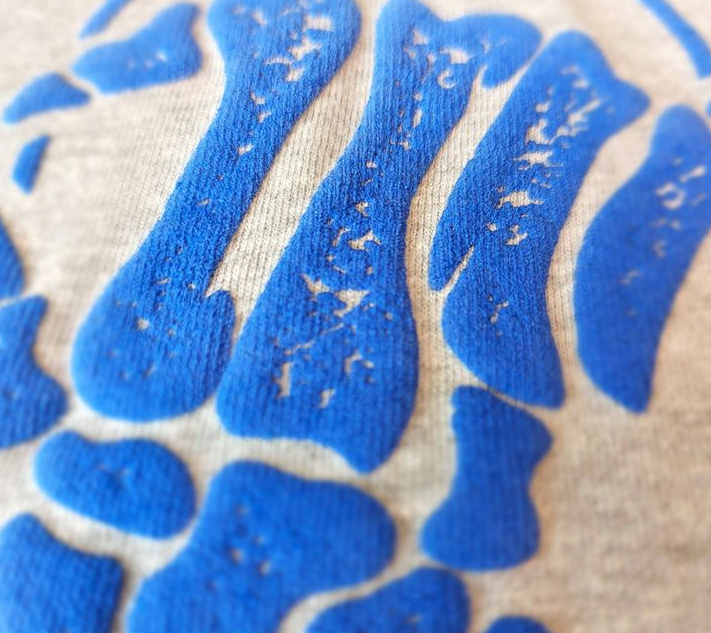
Ucuz katkı maddeleri, tutarsız parçacık boyutlarına sahip mikro küreler kullanır. Isıya maruz kaldıklarında, küçük olanlar hızla, büyük olanlar ise yavaşça genişler. Bu da patlamış mısıra benzeyen pürüzlü, düzensiz bir yüzey oluşturur.
Buna karşılık, birinci sınıf kabartma mürekkep serigrafi baskı çözümlerimizde son derece rafine edilmiş, homojen mikro küreler kullanılır. Bunlar eş zamanlı olarak genişleyerek, tıpkı bir marshmallow gibi pürüzsüz, yuvarlak bir yüzey oluşturur ve üst düzey nakış görünümünü taklit eder.
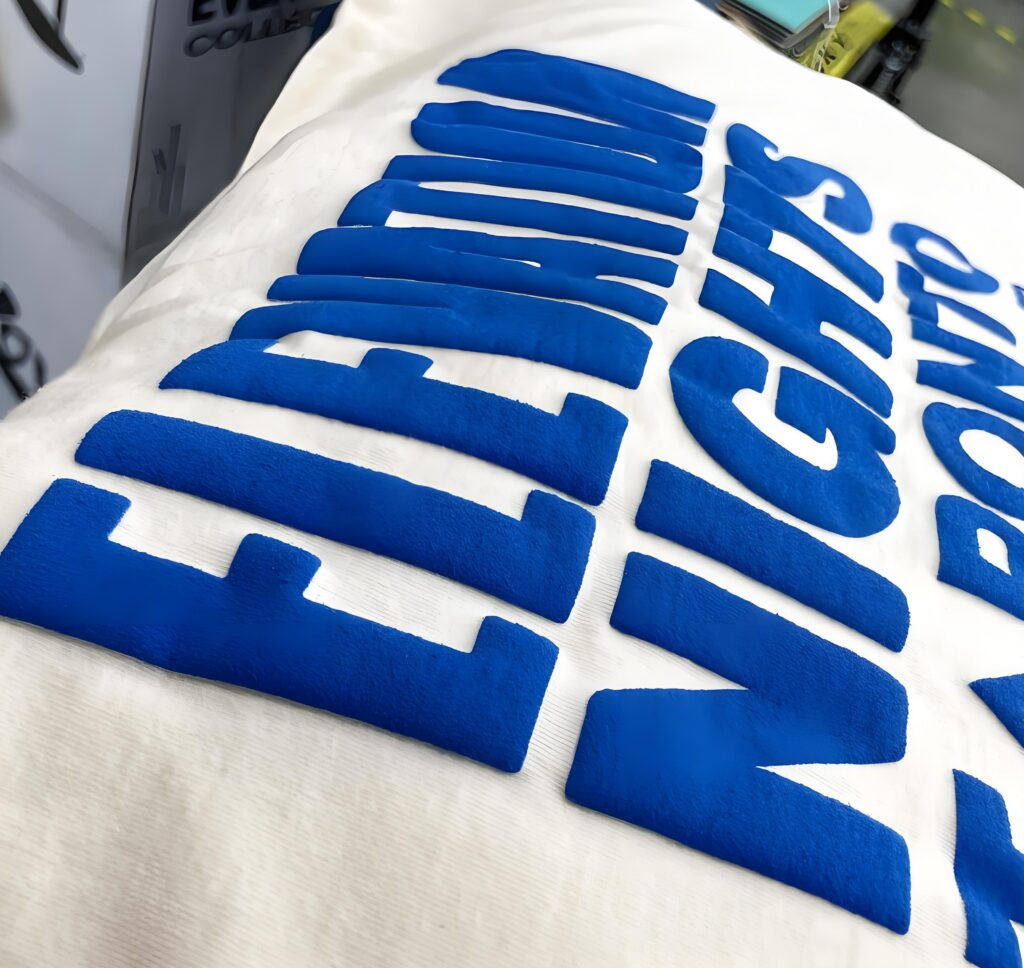
Uzman Görüşü: “"Eğer kabartma baskınız büyüteç altında pürüzlü veya 'taşlı' görünüyorsa, tedarikçiniz muhtemelen düşük kaliteli ve termal stabilitesi zayıf bir şişirme maddesi kullanıyordur."‘
2. Görsel ve Duyusal Muayene: 3 Adımlı Kontrol
Daha baskı kalıbına mürekkep sürmeden önce bile ham maddenin kalitesini değerlendirebilirsiniz. Bir tedarikçiden gelen sevkiyatı teslim aldığınızda... toptan tedarikçi, Bu üç kontrolü derhal gerçekleştirin.
A. "Kümelenme" Testi (Görsel)
Kovayı açın. Yüksek kaliteli puf katkı maddesi (toz halindeyse) akışkan ve inanılmaz derecede ince olmalıdır.
- İyi İşaret: Su gibi ya da ince talk pudrası gibi akıyor.
- Kötü İşaret: Gözle görülebilen topaklar veya "taşlar". Bu, nem kirlenmesini veya raf stabilitesinin zayıf olduğunu gösterir.
B. "Koklama" Testi (Kimyasal Güvenlik)
Küresel standartlara bağlı bir üretici olarak, ürünlerimizin sıkı çevre düzenlemelerine uygun olmasını sağlıyoruz.
- İyi İşaret: Hafif, belirsiz bir plastik kokusu.
- Kötü İşaret: Burnunuzu yakan keskin, kimyasal bir koku. Bu genellikle yüksek düzeyde ftalat veya agresif çözücüler içerdiğini gösterir ve bu maddeler Oeko-Tex veya RSL (Kısıtlı Madde Listesi) testlerinden geçemeyebilir.
Eğer mevzuata uygun çözümler arıyorsanız, çevre dostu çözümlerimiz tam size göre. plastisol mürekkep Formüllerimiz düşük koku ve ftalat içermemesi prensibiyle tasarlanmıştır; bu da hem çalışanlarınız hem de son tüketici için güvenliği sağlar.
C. "Başparmak" Testi (İyileşme Hissi)
Bu en kritik testtir. Bir numune basıp kürledikten sonra, baş parmağınızı numunenin üzerinde gezdirin.
- Üstün Kalite: Kauçuk gibi, kadifemsi bir his vermeli ve bir miktar "tutunma" özelliğine sahip olmalı. Tırnağınızı üzerine bastırdığınızda eski haline geri dönmelidir.
- Düşük Kalite: Dokusu kuru, tebeşir gibi veya kırılgan. Eğer parmağınıza beyaz toz bulaşıyorsa (çatlıyorsa), reçine sistemi pigmenti tutamayacak kadar zayıf demektir.
3. “Germe ve Yıkama” Protokolü: Performans Nasıl Test Edilir?
Titiz testler yapmadan asla 5.000 adetlik sipariş vermeyin. İşte kullandığımız kesin protokol: HONG RUI SHENG Üretim partilerimizi doğrulamak için laboratuvar.
Adım 1: Karışım
Katkı maddesini karıştırın. 10% - 15% Ağırlığınızla tabanınıza doğru.
- Profesyonel İpucu: 20% değerini aşmayın. Bu değer daha fazla hacim sağlasa da, mürekkebin iç yapısını önemli ölçüde zayıflatarak ufalanmasına yol açar.
- Birini kullan Yüksek Opaklıkta Beyaz En iyi kaldırma etkisi için baz olarak kullanın veya renkli kabartma için standart plastisol boyalarıyla karıştırın.
Adım 2: Yazdırma Ayarları
- Ağ sayısı: 86-110 (34T-43T) beden kullanın. Bol miktarda mürekkep kullanmanız gerekiyor. Tişörtte yeterli mürekkep yoksa kabartma deseni genişleyemez.
- Şablon: Mürekkep için bir "conta" oluşturmak üzere kalın bir emülsiyon (EOM 20-25%) veya kılcal bir film kullanın.
3. Adım: Tedavi (Tehlike Bölgesi)
Yazıcıların 90% modeli işte bu noktada başarısız oluyor. Kabartma mürekkebi ısıya karşı son derece hassastır.
- Hedef: Mürekkep ulaşmalı 320°F (160°C) Katmanın tamamı boyunca.
- Risk: Eğer aşırı ısıtırsanız (örneğin, 350°F ve üzeri), şişmiş baloncuklar patlayıp çökecek ve baskı sert, düz bir plastik tabakaya dönüşecektir.
Adım 4: Esneme Testi
Tişört soğuduktan sonra baskıyı çekin.
- Geçmek: Puf yaklaşık 15-20 cm uzar ve eski şeklini geri kazanır.
- Hata: Baskı anında ortadan ikiye ayrılıyor. Bu, mürekkebin yetersiz olduğu anlamına geliyor. plastikleştiriciler veya aşırı kürleme yapılmıştı.
Çatlama sorunu yaşıyorsanız, bir eklemeyi düşünün. yumuşak el katkı maddesi Son baskının esnekliğini artırmak için.
4. Örnek Olay İncelemesi: “Çöken Logo” Sorununun Çözümü
Yakın zamanda ABD merkezli bir sokak giyim markasıyla (ODM müşterisi) çalıştık. Flaş ünitesinden çıktığında harika görünen ancak ana tünel kurutucuda çöken büyük bir arka logo sorunu yaşıyorlardı.
Teşhis:
Çok dar bir "köpürme aralığına" sahip genel bir katkı maddesi kullanıyorlardı. Bu katkı maddesi 140°C'de genleşiyor ancak 155°C'de çöküyordu. Kurutma makinelerinde sıcak noktalar vardı ve bu da çökmeye neden oluyordu.
HONG RUI SHENG Çözümü:
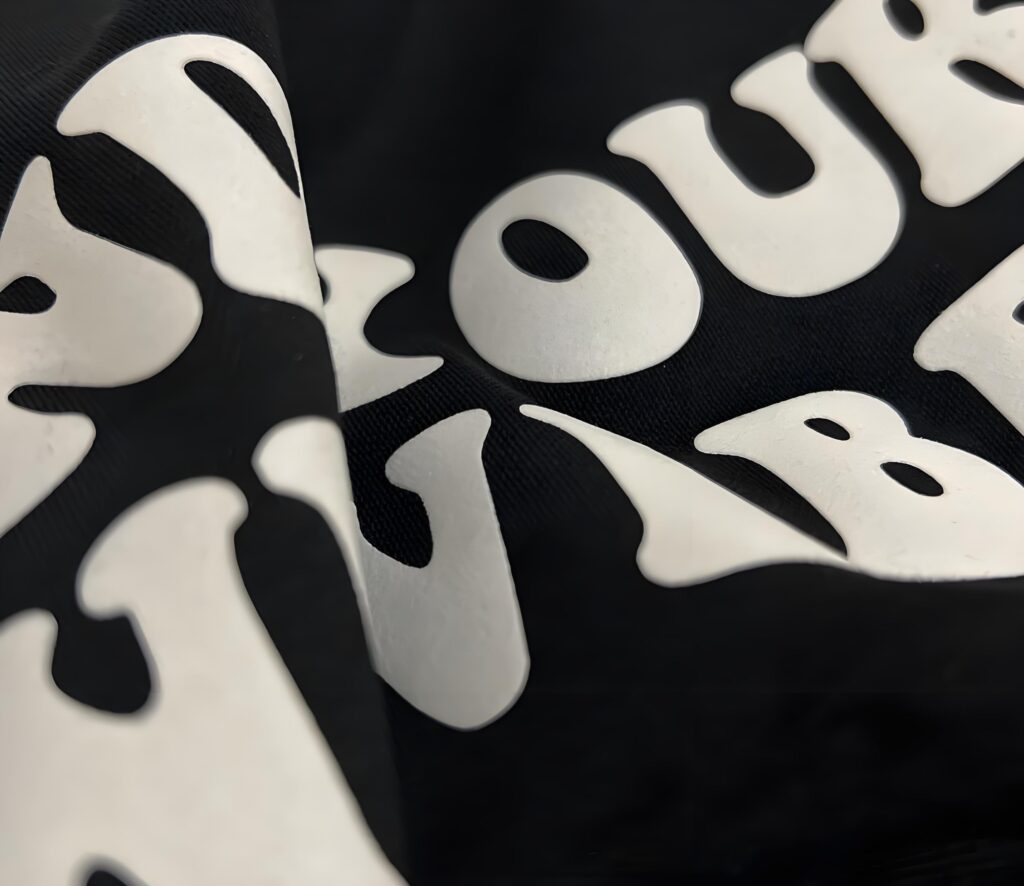
- Yüksek stabiliteye sahip ürünlerimizi tedarik ettik. şişirme katkı maddesi, Bu, daha geniş bir kürleme aralığına sahiptir (165°C'ye kadar stabildir).
- Onlara bir tane yazdırmalarını tavsiye ettik. flaş tabanı bizimkini kullanarak Beyaz Plastisol Mürekkep.
- Kurutma makinelerinin hava akışını daha nazik olacak şekilde ayarladık.
Sonuç:
Logolar, belirgin ve keskin görünümünü korudu. Müşteri şu şekilde rapor verdi: 0% reddetme oranı Sonraki 2.000 ünite için.
5. Karşılaştırma: Ucuz ve Premium Puf Katkı Maddesi
Satın alma ekibinizin doğru seçimi yapmasına yardımcı olacak hızlı bir referans tablosu aşağıda yer almaktadır.
| Özellik | Ucuz / Jenerik Katkı Maddesi | HONG RUI SHENG Premium Katkı Maddesi |
| Parçacık Boyutu | Düzensiz (Patlamış Mısır Etkisi) | Düzgün Mikroküreler (Pürüzsüz Loft) |
| Dokunma Hissi | Kuru, tebeşir gibi, pürüzlü | Kauçuk benzeri, esnek, yumuşak |
| Esneklik | En ufak gerilmede bile çatlaklar | Esnek, gerilmeye dayanıklı |
| Renk Doğruluğu | Önemli ölçüde yıkanıp çıkar | Pigmenti iyi tutar (Pastel tonlara doğru kayma bekleniyor) |
| Dayanıklılık | 5 yıkamadan sonra ufalanıyor. | 20'den fazla yıkama döngüsüne dayanıklıdır. |
| Uyumluluk | Genellikle Yüksek Ftalat İçerir | Çevre dostu / Düşük ftalatlı |
6. Üretim Başarısı İçin En İyi Uygulamalar
En iyi şekilde faydalanmak için Plastisol Mürekkep Ürünler için bu operasyonel en iyi uygulamaları takip edin.
Çok fazla karıştırmayın
Karıştırırken kabarık mürekkep, Bir spatula kullanarak yavaşça karıştırın. Yüksek hızlı bir karıştırıcı kullanmak hava kabarcıklarının oluşmasına neden olabilir. önce Bu baskı, kabartma yapısında iğne deliği ve zayıf noktalar oluşmasına yol açar.
Flaşın kontrolünü sağlayın
Alt tabakayı aşırı kurutmayın! Alt tabaka dokunulduğunda yapışkan (jel kıvamında) olmalı, tamamen sertleşmemelidir. Alt tabaka tamamen sertleşirse, üstteki kabartma tabakasının yapışacak bir yeri kalmaz ve bu da soyulmaya (katman ayrılmasına) yol açar.
Renkleri İzleyin
Unutmayın, mürekkep kabardıkça pigment yayılır. Parlak kırmızı, yayıldıkça daha açık bir kırmızı/pembe renge dönüşür. Her zaman hedef renginizden biraz daha koyu bir pigment yüküyle başlayın. Belirli renk eşleştirmeleri için toptan satış hizmetlerimizden yararlanabilirsiniz. özel serigrafi mürekkebi eşleştirme hizmetleri.
7. Sıkça Sorulan Sorular: B2B Müşterilerimizden Gelen Sıkça Sorulan Sorular
S1: Polyester kumaşlara kabartma katkı maddesi kullanabilir miyim?
Evet, ama dikkatli olmalısınız. boya göçü. Standart kabartma katkı maddeleri boya geçişini engellemez. Öncelikle gri veya siyah düşük sızıntılı bir alt taban baskısı yapmanızı veya kabartma katkı maddesiyle karıştırılmış özel düşük sızıntılı plastisol serimizi kullanmanızı öneririz.
S2: Yıkandıktan sonra kabartma baskı neden çıkıyor?
Bu neredeyse her zaman yetersiz kürleme sorunudur. Kabartma mürekkebi yalıtkan bir malzemedir; içindeki hava kabarcıkları, ısının mürekkep tabakasının dibine nüfuz etmesini zorlaştırır. Muhtemelen "kabuk" kısmını kürlediniz ancak taban sıvı kaldı. Isının alta nüfuz etmesini sağlamak için bant hızınızı yavaşlatmanız gerekiyor.
S3: Karışık kabartma mürekkebini ne kadar süre saklayabilirim?
Katkı maddesini plastisole karıştırdıktan sonra, 72 saat içinde kullanmanızı öneririz. Zamanla, şişirme ajanı mürekkepten plastikleştiriciyi emebilir, bu da karışımı kalınlaştırır ve baskıyı zorlaştırır. En iyi sonuçlar için her zaman taze karışım kullanın.
S4: HONG RUI SHENG özel formülasyonlar (ODM) sunuyor mu?
Kesinlikle. Biz kendimizi bu işe adadık. plastisol mürekkep üreticisi. Eğer özel bir genleşme oranına, benzersiz bir mat yüzeye veya bölgesel mevzuata uygun bir formüle ihtiyacınız varsa, bunu sizin için geliştirebiliriz.