
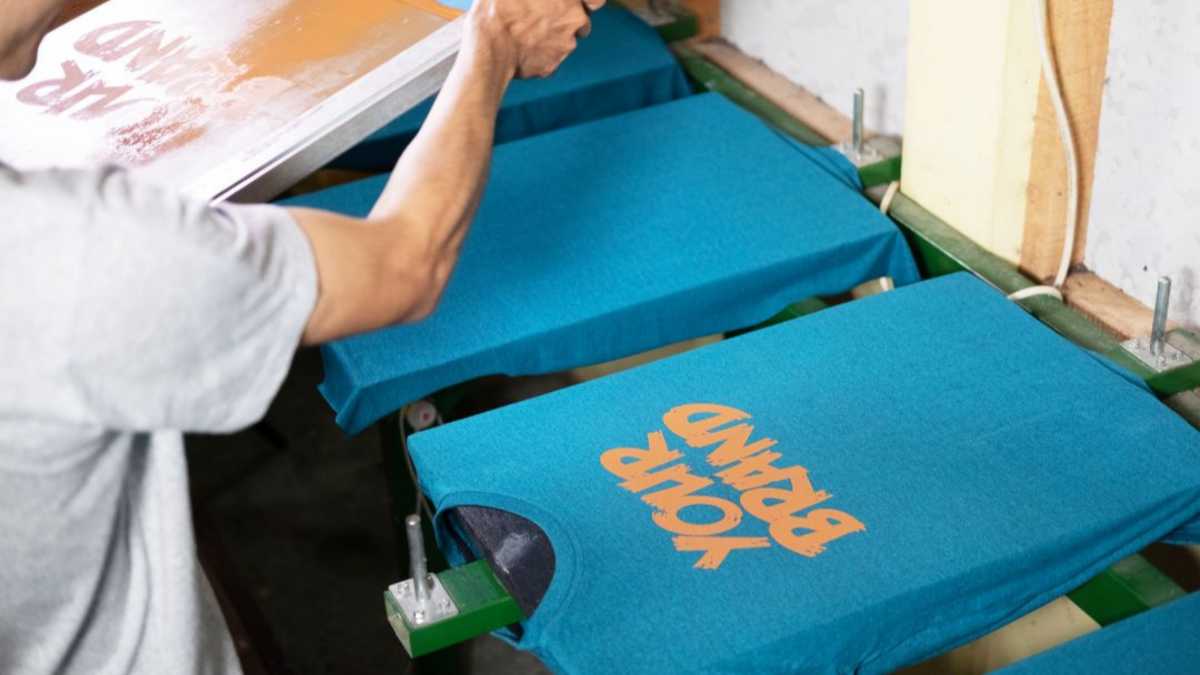
Досягнення м’якого відчуття на руці за допомогою пластизольні чорнила є “святим Граалем” для преміальних брендів одягу. Роками дизайнери уникали пластизолю через його густу, “пластикоподібну” текстуру. Але в HONG RUI SHENG, ми опанували хімію, щоб запропонувати вам найкраще з обох світів: яскраву довговічність пластизолю з маслянисто-м'яким дотиком, який зазвичай притаманний лише чорнило на водній основі.
Коротка відповідь? Ви досягаєте м’якості на дотик, зменшуючи осадження чорнила завдяки високій кількості сіток (230-305), додаванню спеціалізованих м’яких основ (до 10-15%) та використанню точної температури затвердіння. Перевагою є готовий до роздрібної торгівлі одяг, який не відчувається як “пляма поту”, але витримує понад 50 промислових прань.
Зміст
1. Чому преміальні бренди повертаються до модифікованого пластизолю
Якщо ви керуєте лінійкою одягу високого класу, ви знаєте, що тактильні відчуття – це все. Клієнти ототожнюють “м’який” з “дорогим”. Хоча чорнила на водній основі за своєю природою м’які, їм часто бракує “яскравості” на темних тканинах, і це може бути кошмаром для тривалого виробництва.
У HONG RUI SHENG ми рекомендуємо наших розчини пластизольних фарб тому що:
- Консистенція кольору: На відміну від чорнил на водній основі, які деформуються під час висихання, наші пластизольні фарби відповідають вашим стандартам Pantone.
- Ефективність виробництва: Пластизоль не висихає на сітці. Це скорочує час простою приблизно на 251 т/4 т порівняно з випарними чорнилами.
- Чудова довговічність: Правильно затверділий пластизоль може витримувати понад 50 циклів промислового прання без вицвітання, характерного для “м’яких” альтернатив.
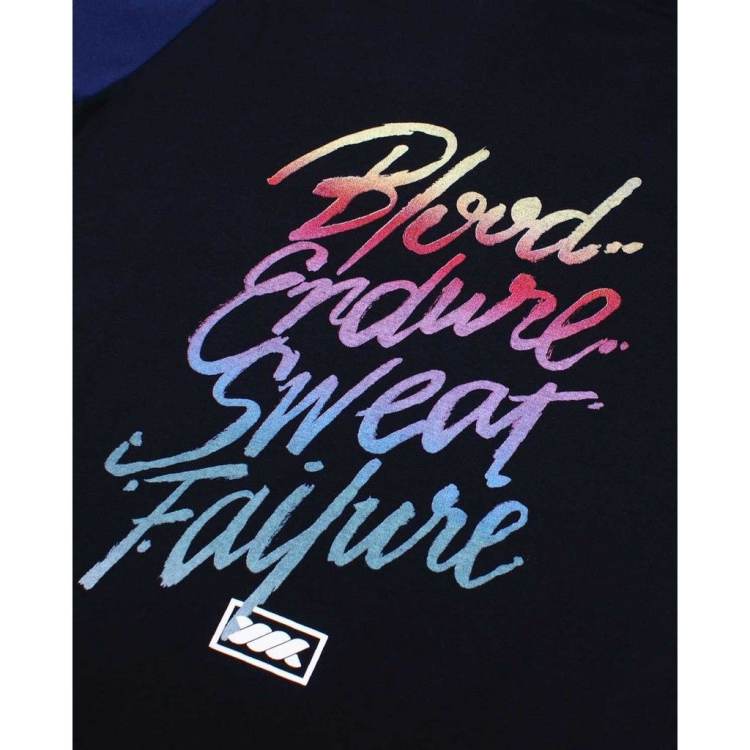
2. Технічна стратегія: як ми досягаємо “м’якого дотику”
Ми не просто “друкуємо” чорнилом; ми проектуємо шар. Щоб отримати це відчуття високої якості, ми зосереджуємося на трьох технічних принципах: в'язкість, осад та добавки.
Крок 1: Зміна хімічного складу
Ми використовуємо м’яку основу для ручного нанесення або розчинник, що твердне. Ці добавки розріджують чорнило та додають до суміші м’якші смоли.
Найкраща практика: Використовуючи наші добавки, ніколи не перевищуйте 10-15% за вагою. Надмірне розведення може призвести до “фібриляції” (коли волокна одягу пробиваються крізь чорнило), через що друк виглядатиме нечітким після одного прання.
Крок 2: Вибір решітчастого екрану з великою кількістю сіток
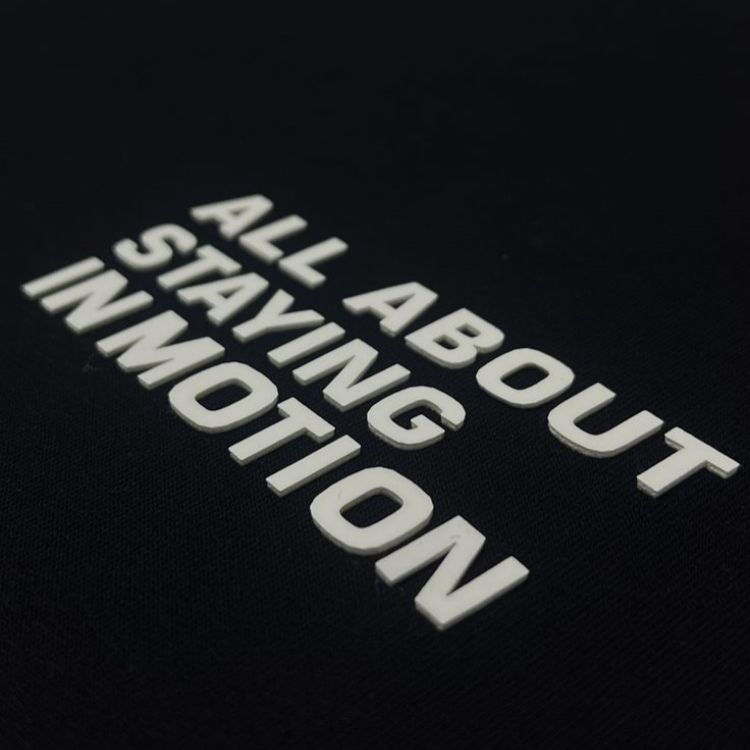
Стандартний друк використовує 110-156 меш. Для преміальних брендів ми переходимо до 230-305 меш.
- Чому? Більша кількість сіток забезпечує тонший шар фарби.
- Результат: Чорнило знаходиться в переплетенні, а не на ньому.
Крок 3: Секрет “згладжування”
Після швидкого затвердіння ми часто використовуємо розгладжувальний екран або термопрес. Це одночасно розрівнює волокна сорочки та фарбу.
- Точка даних: Використання інструменту для згладжування може покращити сприйняту м'якість на 30% без зміни формули чорнила.
3. Порівняльна продуктивність: пластизоль та інші
| Особливість | Стандартний пластизол | HONG RUI SHENG М'яка рука | Чорнило на водній основі |
| Відчуття руки | Важкий/Жорсткий | Маслянистий/Гнучкий | Дихаюча/М'яка |
| Непрозорість | 100% | 85-95% | 60-70% (на темних кольорах) |
| Довговічність | Високий | Високий | Середній |
| Екологічна безпека | змінна | Без фталатів/Oeko-Tex | Високий |
4. Вирішення проблеми “плями поту” (тематичне дослідження)
Нещодавно ми співпрацювали з брендом вуличного одягу, який скаржився, що їхні великі логотипи на грудях відчуваються як “щит”. Перейшовши на наш низьков’язкий пластизоль, змішаний з м’якою основою 10%, та використовуючи щільність 305 меш, ми зменшили споживання чорнила на 40%.
Кінцевий продукт пройшов “тест на сліпий дотик” — покупці не могли сказати, що це пластизоль, проте біле чорнило залишалося чітким і непрозорим на чорних бавовняних худі.
Найкраща практика: Для поліестеру 100% або спортивного одягу завжди використовуйте м’яку основу з низьким вмістом барвника. Це запобігає “міграції барвника” (коли колір футболки псує ваш білий принт), зберігаючи принт еластичним.
5. Найчастіші запитання: що потрібно знати преміальним брендам
Q1: Чи безпечний м’який пластизоль для чутливої шкіри?
Так. Наші сучасні формули не містять фталатів і відповідають вимогам Oeko-Tex Standard 100, що робить їх безпечними для дитячого одягу та елітного одягу.
Питання 2: Чи тріскається відбиток легше, якщо він тонший?
Насправді ні. Тонкі, модифіковані шари часто більше гнучкий. Розтріскування зазвичай є результатом недостатнього затвердіння (недосягнення 160°C), а не товщини шару фарби.
Питання 3: Чи можна досягти такого відчуття на темному одязі?
Так, використовуючи “підкладку з високою сіткою”. Спочатку ви друкуєте дуже тонкий білий шар, фарбуєте його, а потім зверху друкуєте кольори. Це зберігає непрозорість без об’єму.
Q4: Яка найкраща температура затвердіння для найм'якшого результату?
Ми рекомендуємо остаточне затвердіння при температурі 160°C (320°F) протягом приблизно 90 секунд. Надмірне затвердіння може фактично призвести до затвердіння пластифікаторів, через що відбиток буде виглядати “подряпаним”.”
Q5: Як воно витримує прання?
Наші м’які на дотик відбитки проходять випробування на збереження стійкості до прання за стандартом 95% після понад 50 циклів за умови, що вони затвердіють за правильної температури.
Висновок експерта: Підніміть відчуття тканини до преміальних стандартів роздрібної торгівлі
Як експерт з рішень у галузі високоякісної текстильної хімії, ми знаємо, що на ринку преміального одягу різниця у відчутті на дотик може виправдати підвищення вартості бренду на 1%. Якщо ви все ще маєте проблеми з “куленепробивними” відбитками, проблемами з розтріскуванням або нестабільною яскравістю кольорів, вам потрібне не просто відро чорнила — вам потрібна перевірена виробнича екосистема.
У HONG RUI SHENG ми пропонуємо більше, ніж просто високопродуктивні пластизольні чорнила. Ми пропонуємо спадщину технічної майстерності: від стратегічного застосування щільності 305 меш до точності наших м’яких добавок золотого перетину 10% та наших каліброваних кривих плавлення 320°F (160°C). Ми прагнемо допомогти вашому бренду досягти цієї невловимої, невагомої текстури, не жертвуючи жодним циклом прання, гарантуючи, що ваш одяг пройде найсуворіші “сліпі тести” від вимогливих клієнтів.
Не дозволяйте важким, жорстким принтам обмежувати потенціал вашого бренду.
Наша технічна команда готова надати вам індивідуальні пропорції змішування та послуги з тестування зразків, адаптовані до ваших конкретних сумішей тканин. Зв'яжіться з нами сьогодні за допомогою форми нижче, щоб замовити наші найновіші зразки та запланувати індивідуальну консультацію. Давайте зробимо вашу колекцію 2026 року вирізнятися якістю, на яку заслуговують ваші дизайни.