
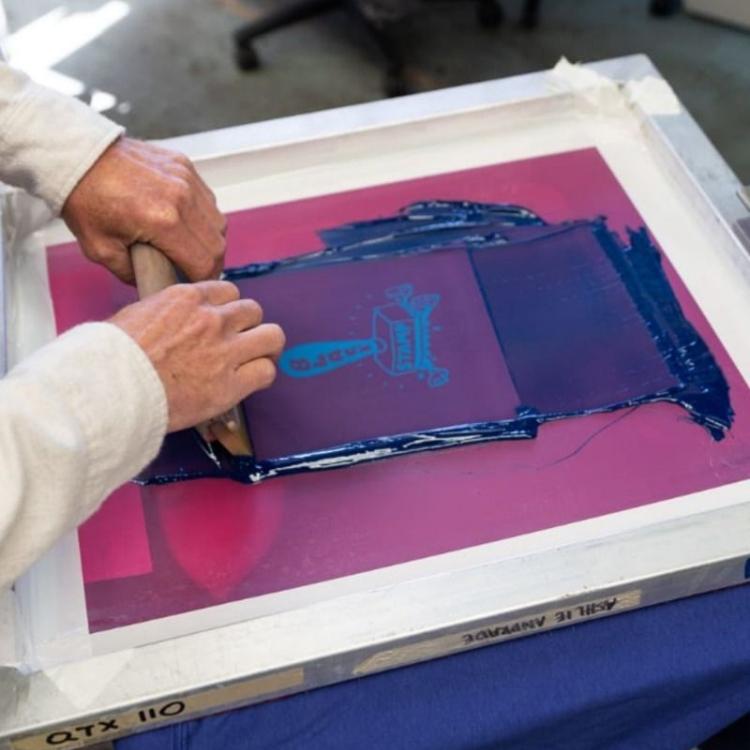
Nếu bạn muốn định giá cao hơn và giữ chân khách hàng quay lại, mực plastisol kim loại Đây chính là vũ khí bí mật của bạn. “Câu trả lời cuối cùng” rất đơn giản: sử dụng mực kim loại chất lượng cao cho phép bạn tính thêm từ 15% đến 25% cho mỗi sản phẩm may mặc vì sự sang trọng và độ bền mà chúng mang lại. Không giống như các loại mực gốc nước, loại mực này giữ được độ bền trên màn hình trong nhiều ngày, nghĩa là ít thời gian ngừng hoạt động hơn và không lãng phí mực cho cửa hàng của bạn.
Tại HỒNG NHỤC SHENG, Chúng tôi đã tận mắt chứng kiến việc chuyển sang chuyên môn hóa mang lại những lợi ích như thế nào. mực plastisol Biến một chiếc áo thun thông thường thành một sản phẩm bán lẻ cao cấp. Chúng tôi không chỉ bán mực in; chúng tôi giải quyết những khó khăn của các xưởng in hiện đại.
Mục lục
Vì sao các cửa hàng in ấn thương mại đang chuyển từ mực in thông thường sang mực in kim loại?
Trong thế giới cạnh tranh khốc liệt của ngành in ấn thương mại, "chỉ cần tốt là đủ" không còn đáp ứng được yêu cầu nữa. Chúng tôi đã phân tích thị trường và nhận thấy rằng sự chuyển dịch sang mực in chuyên dụng cho ngành dệt may được thúc đẩy bởi một yếu tố duy nhất: sức hấp dẫn trên kệ hàng.
Lợi tức đầu tư (ROI) của “Shimmer”
Theo dữ liệu ngành từ Plastisol-inks.com, mực in kim loại vượt trội hơn hẳn so với mực in thông thường về độ bền màu và độ che phủ trên vải tối màu. Khi chúng tôi trao đổi với khách hàng B2B, phản hồi đều nhất quán – khách hàng đánh giá mực in vàng và bạc là chất lượng “cao cấp”.
Mẹo chuyên nghiệp: Đừng chỉ chào bán "vàng". Hãy chào bán "Lớp phủ kim loại sang trọng". Thay đổi thuật ngữ có thể tăng tỷ lệ chấp nhận báo giá của bạn lên 10%.
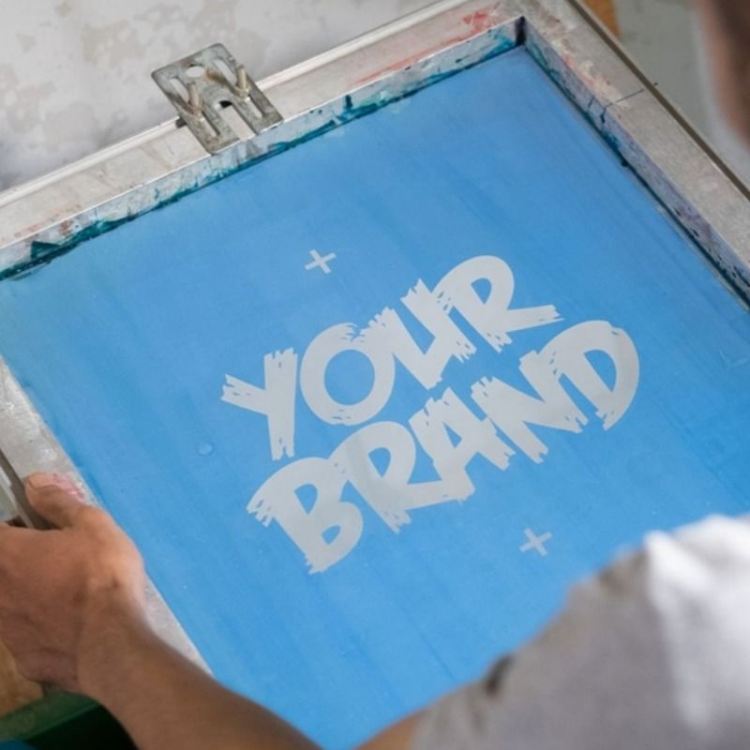
Dễ dàng vận hành cho các chuyến vận chuyển lớn
Không giống như mực gốc nước dễ bị khô trong lưới nếu bạn nghỉ ngơi 5 phút, mực của chúng tôi không bị khô theo thời gian. Mực plastisol dùng cho in lụa Vẫn luôn biến động. Đối với một cửa hàng bận rộn, điều này có nghĩa là:
- Không bị tắc nghẽn màn hình trong suốt các chu kỳ sản xuất dài.
- Dễ dàng dọn dẹp—Lượng mực thừa sẽ được đổ ngược trở lại vào thùng chứa.
- Màu sắc đồng nhất Từ chiếc áo đầu tiên đến chiếc thứ 500.
Thông số kỹ thuật: Đảm bảo tính chính xác của khoa học
Bạn không thể tùy tiện đổ mực kim loại lên bất kỳ màn hình nào và mong chờ điều kỳ diệu. Các hạt kim loại cần không gian để "thở".
Các yếu tố then chốt để thành công
Dựa trên các thực tiễn tốt nhất từ Roland DGA Và Lớp phủ quốc tế, Dưới đây là "bảng tóm tắt" mà chúng tôi sử dụng trong các phòng thí nghiệm kiểm thử của mình:
| Tham số | Cài đặt được đề xuất | Tại sao nó quan trọng |
| Số lượng lưới | 86 – 156 tpi | Ngăn không cho các mảnh kim loại bị kẹt vào lưới lọc. |
| cây gạt nước | Độ cứng 70 – 75 Durometer | Tạo đủ áp lực để đẩy mực xuyên qua lưới lọc. |
| Nhiệt độ đóng rắn | 320°F (160°C) | Đảm bảo nhựa bao bọc hoàn toàn các mảnh kim loại. |
| Lớp nền | Đế trong suốt hoặc đế nhựa | Giúp tăng độ sáng và ngăn ngừa hiện tượng lem màu trên chất liệu polyester. |
Phương pháp tối ưu: Phương pháp “Tác động kép”
Để có được màu bạc hoặc vàng sáng bóng nhất, chúng tôi khuyên dùng... In-Chụp nhanh-In phương pháp.
- In lớp đầu tiên.
- Sấy khô nhanh trong 3-5 giây (chỉ đến khi khô ráo khi chạm vào).
- In lớp thứ hai. Điều này tạo ra hiệu ứng "gương" mà các bản in một lần không thể sánh được. Sử dụng mực in lụa chất lượng cao đảm bảo các lớp liên kết hoàn hảo mà không bị bong tróc.
Giải quyết cơn ác mộng "bong tróc"
Phàn nàn lớn nhất mà chúng tôi nhận được từ khách hàng mới là: “Hình in vàng của tôi bị trôi hết ngay lập tức!” Đây hầu như luôn là vấn đề do mực chưa được sấy khô hoàn toàn. Các hạt kim loại phản xạ nhiệt, có nghĩa là mực thực tế cần nhiều thời gian hơn để đạt đến điểm nóng chảy 160°C so với mực đen thông thường.
Cách chúng tôi giải quyết vấn đề này tại HONG RUI SHENG:
- Bài kiểm tra độ giãn: Sau khi đóng rắn, chúng ta kéo vải ra. Nếu mực bị nứt hoặc các hạt kim tuyến rơi ra như tuyết, nghĩa là mực chưa được đóng rắn đúng cách.
- Kiểm tra nhiệt độ bằng tia laser: Hãy sử dụng đầu dò hình vòng hoặc súng đo laser. Đừng tin tưởng vào màn hình hiển thị kỹ thuật số của máy sấy; nó chỉ đo lượng không khí, chứ không phải lượng mực.
- Bảo quản đúng cách: Giữ của bạn mực plastisol không chứa PVC Bảo quản ở môi trường mát (dưới 30°C) để duy trì thời hạn sử dụng và độ nhớt.
Nghiên cứu điển hình: Thử thách 50 lần giặt
Trong một thử nghiệm nội bộ gần đây, các sản phẩm may mặc được in bằng dòng mực kim loại của chúng tôi đã được giặt 50 lần theo quy trình giặt công nghiệp.
- Kết quả: Khả năng giữ màu của 95%.
- Bí mật: Chúng tôi sử dụng lưới lọc 110 mắt lưới và thời gian sấy 90 giây ở nhiệt độ chính xác 325°F.
- Phần kết luận: Độ chính xác trong đường hầm sấy quan trọng hơn thương hiệu của máy sấy.
Trao đổi thực tế: Khắc phục sự cố in ấn kim loại (Câu hỏi thường gặp)
Câu 1: Liệu những thứ này có thực sự làm tắc nghẽn màn hình của tôi nếu tôi đang xử lý một đơn hàng lớn?
Nếu bạn cố gắng ép các hạt kim loại qua lưới lọc 230, bạn sẽ gặp khó khăn. Bí quyết mà chúng tôi tìm ra tại HONG RUI SHENG là giữ ở mức lưới lọc “tối ưu” từ 86 đến 110. Nếu máy in hoạt động quá nóng và mực bắt đầu đặc lại, đừng chỉ cố gắng chống lại nó—hãy thêm một chút dung môi pha mực để giữ cho dòng chảy được trơn tru. Điều quan trọng là duy trì độ sánh mịn từ lần in đầu tiên đến lần in cuối cùng.
Câu 2: Sản phẩm này có thực sự an toàn cho bán lẻ không? Khách hàng của tôi đang hỏi về CPSIA?
Chúng tôi nhận được câu hỏi này rất nhiều. Câu trả lời ngắn gọn: Có. Mực plastisol hiện đại của chúng tôi được pha chế để không chứa phthalate và chì. Chúng tôi không chỉ sản xuất mực có vẻ ngoài đẹp mắt; chúng tôi đảm bảo nó đáp ứng các tiêu chuẩn an toàn nghiêm ngặt cần thiết cho các nhà bán lẻ lớn và thậm chí cả quần áo trẻ em.
Q3: Máy sấy nhanh của tôi mất rất nhiều thời gian khi dùng mực vàng — tại sao vậy?
Không phải do máy sấy của bạn; mà là do vật lý. Mực kim loại hoạt động như một tấm gương—nó phản chiếu nhiệt hồng ngoại trở lại. Nếu bạn thường sấy mực trắng tiêu chuẩn trong 3 giây, hãy dành thêm 2 giây cho mực vàng hoặc bạc. Nếu không, lớp trên cùng có thể trông khô nhưng lớp dưới vẫn còn ướt, dẫn đến tình trạng lem luốc ở trạm tiếp theo.
Câu 4: Tôi có thể trộn màu kim loại với màu tiêu chuẩn được không?
Chắc chắn rồi. Chúng tôi thường pha màu bạc ánh kim 10% vào các màu xanh hoặc đỏ thông thường để tạo hiệu ứng "lấp lánh" mà không tốn chi phí cho việc in màu kim loại nguyên chất.
Câu 5: Làm thế nào để có được cảm giác "mềm mại" khi chạm vào chất liệu kim loại?
Mực kim loại thường đặc hơn. Để giữ cho mực mềm mịn, hãy sử dụng lưới lọc mịn hơn (156) và thêm một lượng nhỏ chất nền mềm vào hỗn hợp.