

Look, I’ve been on the factory floor when a shipment of custom-printed apparel gets seized at the port. It’s a nightmare. As a Solutions Specialist at HONG RUI SHENG, I can tell you that in 2026, the “I didn’t know” excuse won’t save your bottom line.
If you’re importing into the US or EU right now, the rules for plastisol ink have shifted from “suggested guidelines” to “hard gates.” You either meet the 0.1% (1,000 ppm) phthalate limit, or your goods don’t move. Switching to phthalate-free systems is the only way to bypass the massive fines and automated customs flags that are now standard at the border.
Table of Contents
2026 Compliance: What’s Actually Hitting Your Shipments?
The regulatory landscape isn’t just a wall; it’s a moving target. Here is the breakdown of the current “pass/fail” criteria for your imports.
| The Requirement | US Market (CPSIA) | EU Market (REACH) |
| The Hard Limit | < 0.1% for 8 core phthalates | < 0.1% total (Entry 51) |
| New for 2026 | Mandatory eFiling (as of July 8) | Omnibus VIII Updates |
| Must-Have Paperwork | CPC (Children’s Product Certificate) | DoC (Declaration of Conformity) |
The Expert Take: We’ve found that the biggest benefit of going phthalate-free isn’t just avoiding the law—it’s market speed. Compliant goods clear customs days faster, and you’re instantly eligible for OEKO-TEX Standard 100 certification, which is a massive leverage point for B2B contracts.
Why We’ve Gone All-In on Phthalate-Free
At HONG RUI SHENG, we didn’t just switch because we had to; we switched because the tech got better. Traditional ortho-phthalates are nasty endocrine disruptors, but for a long time, the “safe” alternatives just didn’t print as well. That’s changed.
- Print Performance: Modern non-phthalate plasticizers offer better “stretch.” Our testing shows these prints handle 30% more wash cycles before cracking compared to the old-school budget inks.
- Health & Safety: Removing these chemicals protects everyone from the printer in the shop to the kid wearing the shirt.
- Future-Proofing: Laws like the REACH CMR update are only getting stricter. If you aren’t compliant now, you’ll be out of business by 2027.
HONG SHENG RUI’s solution:
💡 Pro Tip: Stop the “Ghost” Contamination
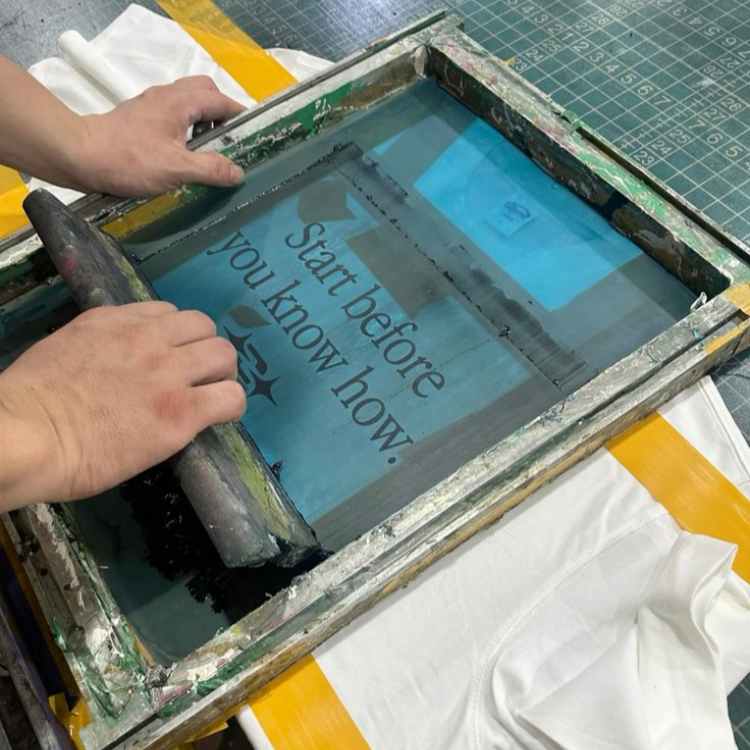
Here is a mistake we see constantly: a factory buys phthalate-free ink but uses the same old spatulas and mixing buckets they used for traditional ink. Boom—failed lab test. At our facility, we mandate color-coded tools. Green is for phthalate-free; Red is for everything else. No exceptions.
Your 3-Step “Import-Ready” Roadmap
Don’t guess. Follow this exact workflow to ensure your next container doesn’t get stuck.
1. Dig Into the SDS (Safety Data Sheet)
A “Phthalate-Free” sticker on a bucket means nothing. You need to verify the CAS numbers against the REACH SVHC list. If your current supplier gets defensive when you ask for a current SDS, find a new supplier.
2. Prep for the US eFiling Mandate
This is the big one. Starting July 8, 2026, the US CPSC requires importers to digitally file test data at the moment of entry. If your lab results aren’t in the system when the ship hits the dock, your cargo is going into storage at your expense.
3. Dial in the Heat
Non-phthalate plastisol ink is sensitive.
- The issue: It can feel “gummy” if not cured right.
- The fix: We recommend a steady cure at 300°F to 320°F. This sweet spot ensures the ink bonds properly without scorching the fabric or leaving the print brittle.
FAQ: Real Talk for Importers
Q1:Is this stuff actually more expensive?
Yeah, usually 10-15% more for the raw ink. But a single CPSC fine can run you $50,000. Do the math—compliance is the cheaper option every time.
Q2: Can I mix regular additives into my phthalate-free ink?
No way. Most budget reducers or thickeners are loaded with phthalates. You’ll ruin your compliance status instantly. Always use a matched system.
Q3: Is phthalate-free the same as PVC-free?
Nope. Most plastisol ink still uses PVC. If your buyer demands “PVC-Free,” you’re looking at water-based or silicone inks, not plastisol.
Q4: How often should I be testing?
If you’re starting with a new factory, test every single batch. Once you trust them, move to quarterly spot-checks.
Q5: What is the “sleeper” risk for 2026?
The CPSC eFiling mandate. It’s catching people off guard because it’s a procedural change, not just a chemical one.
Conclusion: Your Compliance is Our Business
As a Solutions Specialist here at HONG RUI SHENG, I’ve spent years helping importers navigate the “grey areas” of textile chemicals. But in 2026, those grey areas have turned into hard lines. Whether it’s the new CPSC eFiling mandate in the US or the expanded REACH Omnibus VIII restrictions in Europe, the regulatory floor is moving faster than most factories can keep up with.
At HONG RUI SHENG, we don’t just sell plastisol ink; we provide a global compliance shield. We’ve already handled the CAS-level chemical audits, the low-cure performance testing, and the lab-certified documentation so that you can focus on scaling your brand, not fighting with customs brokers.
Don’t wait for a “Notice of Detention” at the port to fix your supply chain. Drop your email here or send us a quick message in the chat.