
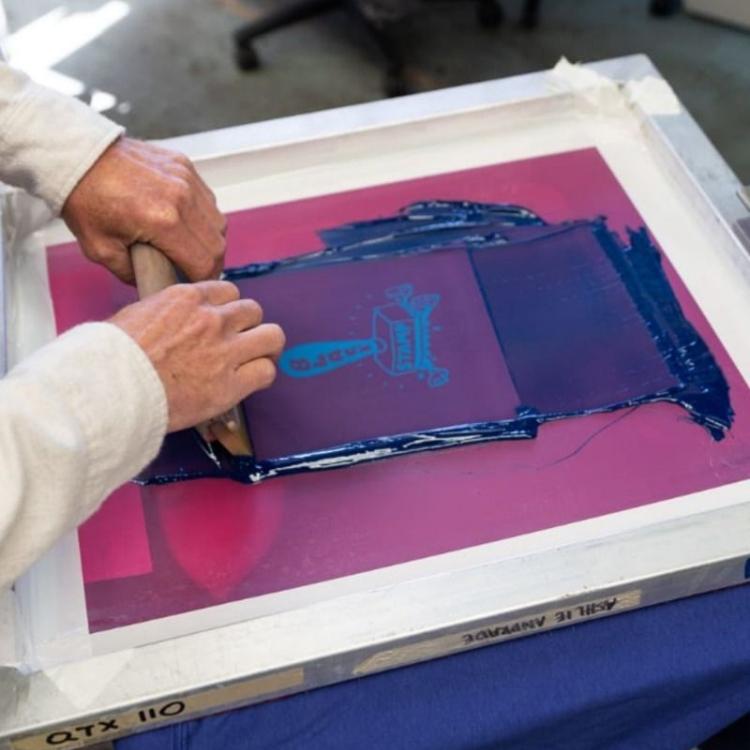
If you want to command higher prices and keep your clients coming back, metallic plastisol ink is your secret weapon. The “final answer” is simple: using high-quality metallic inks allows you to charge a 15% to 25% premium per garment because of the perceived luxury and durability they offer. Unlike water-based alternatives, these inks stay “open” on the screen for days, meaning less downtime and zero wasted ink for your shop.
At HONG RUI SHENG, we’ve seen firsthand how switching to specialized plastisol ink transforms a standard t-shirt into a premium retail product. We don’t just sell ink; we solve the headaches of the modern print shop.
Table of Contents
Why Commercial Shops are Swapping Standard Ink for Metallic
In the competitive world of commercial printing, “good enough” doesn’t cut it anymore. We’ve analyzed the market, and the shift toward specialty textile inks is driven by one thing: shelf appeal.
The ROI of the “Shimmer”
According to industry data from Plastisol-inks.com, metallic prints significantly outperform standard pigments in wash-fastness and opacity on dark fabrics. When we talk to our B2B clients, the feedback is consistent—customers perceive gold and silver prints as “designer” quality.
Pro Tip: Don’t just offer “gold.” Offer “Luxury Metallic Finish.” Changing your terminology can increase your quote acceptance rate by 10%.
Operational Ease for Big Runs
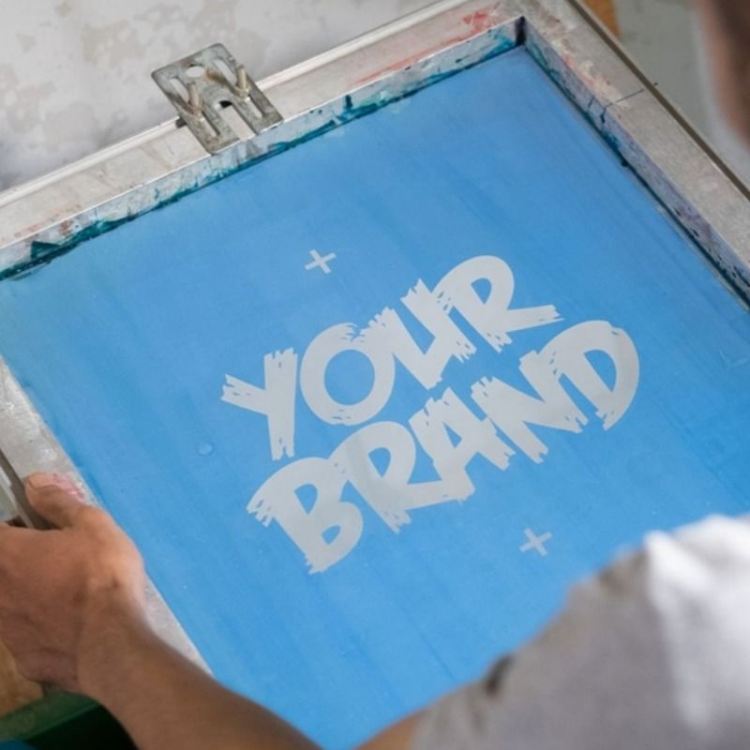
Unlike water-based inks that dry in the mesh if you take a 5-minute break, our plastisol ink for screen printing remains fluid. For a busy shop, this means:
- Zero screen clogging during long production runs.
- Easy cleanup—excess ink goes right back in the bucket.
- Consistent color from the first shirt to the 500th.
Technical Specifications: Getting the Science Right
You can’t just throw metallic ink on any screen and expect magic. The metallic flakes need room to breathe.
Critical Settings for Success
Based on best practices from Roland DGA and International Coatings, here is the “cheat sheet” we use in our own testing labs:
| Parameter | Recommended Setting | Why it Matters |
| Mesh Count | 86 – 156 tpi | Prevents the metal flakes from getting stuck in the mesh. |
| Squeegee | 70 – 75 Durometer | Provides enough pressure to shear the ink through the screen. |
| Curing Temp | 320°F (160°C) | Ensures the resin fully encapsulates the metallic flakes. |
| Underbase | Clear or Poly Base | Improves brightness and prevents dye migration on polyester. |
Best Practice: The “Double-Hit” Method
For the brightest silver or gold, we recommend the Print-Flash-Print method.
- Print your first layer.
- Flash cure for 3-5 seconds (just until it’s dry to the touch).
- Print the second layer.This builds a “mirror” effect that single-pass prints simply can’t match. Using a high-quality screen printing ink ensures the layers bond perfectly without peeling.
Solving the “Flaking” Nightmare
The biggest complaint we hear from new customers is: “My gold print washed off in one go!” This is almost always an issue with under-curing. Metallic particles reflect heat, meaning the ink actually takes longer to reach the 160°C fusion point than standard black ink.
How we solve it at HONG RUI SHENG:
- The Stretch Test: After curing, we pull the fabric. If the ink cracks or glitters fall off like snow, it’s under-cured.
- Laser Temp Checks: Use a donut probe or laser gun. Don’t trust the dryer’s digital display; it only measures the air, not the ink.
- Proper Storage: Keep your pvc free plastisol ink in a cool environment (below 30°C) to maintain its shelf life and viscosity.
Case Study: The 50-Wash Challenge
In a recent internal test, garments printed with our metallic series were subjected to 50 industrial wash cycles.
- Result: 95% color retention.
- The Secret: We used a 110 mesh and a dwell time of 90 seconds in the dryer at exactly 325°F.
- Conclusion: Precision in the curing tunnel is more important than the brand of the dryer.
Real Talk: Troubleshooting Metallic Prints (FAQ)
Q1: Will this stuff actually clog my screens if I’m running a big order?
If you try to push metallic flakes through a 230 mesh, you’re going to have a bad time. The trick we’ve found at HONG RUI SHENG is staying in the “sweet spot” of 86 to 110 mesh. If the shop is running hot and the ink starts to stiffen, don’t just fight it—add a tiny bit of ink thinner to keep the flow smooth. It’s all about maintaining that creamy consistency from the first pull to the last.
Q2: Is it really safe for retail? My clients are asking about CPSIA?
We get this one a lot. The short answer: Yes. Our modern plastisol ink is formulated to be phthalate-free and lead-free. We’re not just making ink that looks good; we’re making sure it passes the strict safety standards required for big-box retail and even kids’ wear.
Q3: My flash dryer is taking forever with gold ink—what gives?
It’s not your dryer; it’s physics. Metallic ink acts like a mirror—it reflects the infrared heat back up. If you’re used to flashing standard white in 3 seconds, give your gold or silver an extra 2 seconds of “dwell time.” If you don’t, that top layer might look dry but the bottom will still be wet, leading to a total mess on the next station.
Q4: Can I mix metallic with standard colors?
Absolutely. We often mix 10% metallic silver into standard blues or reds to create a “shimmer” effect without the cost of a pure metallic print.
Q5: How do I get a “soft hand” feel with metallic?
Metallic inks are naturally thicker. To keep it soft, use a finer mesh (156) and add a small amount of soft hand base to the mix.