
Table of Contents
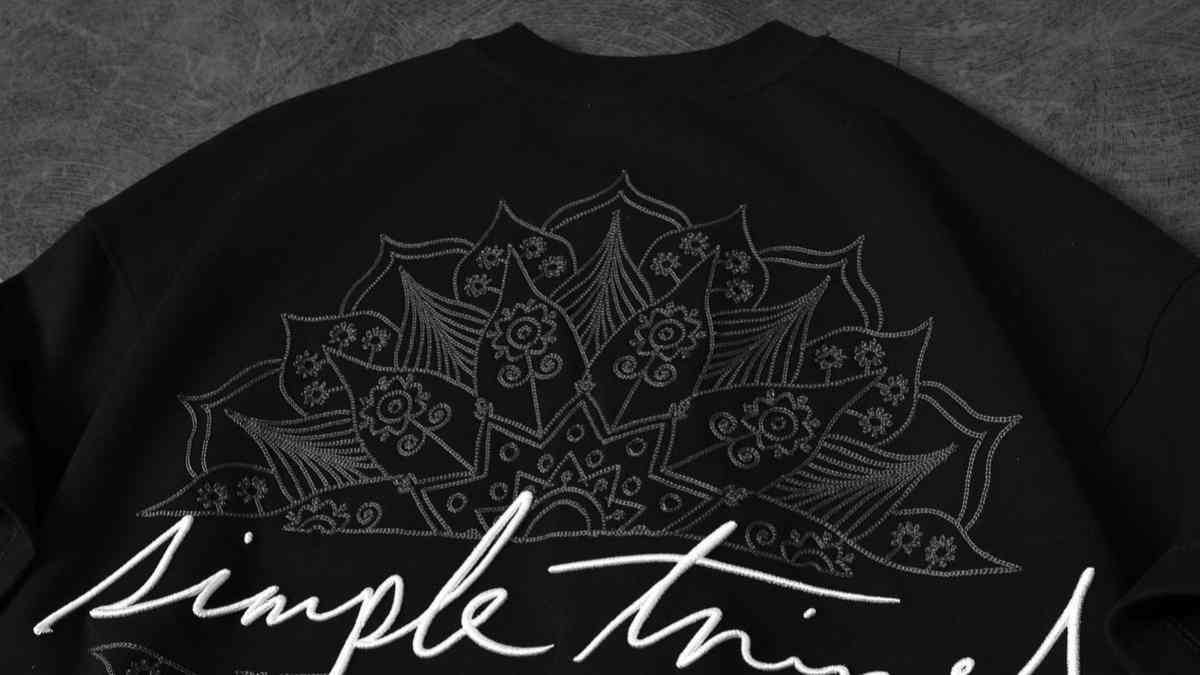
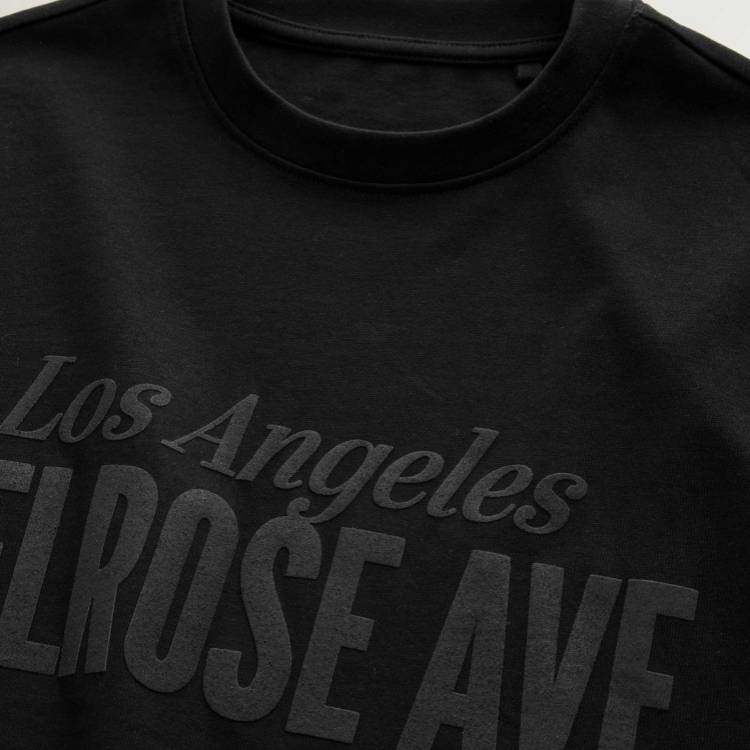
Look, if your goal is to produce a high-end garment that pops without shouting, tonal printing is basically the ultimate move. By laying down specific screen printing ink on black fabric, you are doing way more than just adding color; you are playing with texture and how light hits the shirt. This “black-on-black” technique is how a basic tee becomes a “stealth” streetwear staple that commands a higher price. For your facility, the benefits are pretty clear: you get better margins on premium basics, you waste less ink, and you provide that sophisticated finish that modern customers are looking for.
I’ve spent years working as a solution expert at HONG RUI SHENG, and I can tell you I’ve seen plenty of factories struggle with this. They either end up with a print that is basically invisible or one that looks like a cheap, shiny plastic sticker. Here is how you actually get it right every time.
Why Tonal Printing Changes the Game for Garment Shops
The real appeal of black-on-black is its subtlety. That stealthy look comes entirely from how the ink catches the light. Whether you’re printing on matte cotton or a synthetic blend, using a glossy or high-density black delivers a contrast that simply looks expensive.
In many cases, as a plastisol ink manufacturer, we find the real trick isn’t just making the ink dark. It is all about controlling the final finish. Do you want that “wet” look, a subtle matte shadow, or maybe a beefy 3D texture? The ink you pick and the mesh you use will decide exactly how that turns out.
The Visual and Tactile Benefits
- True Sophistication: It moves away from those loud, dated graphics of the past.
- Serious Durability: Using black screen printing plastisol ink on a black shirt hides everyday wear and tear much better than white or bright colors ever could.
- Less Production Stress: Honestly, you won’t be sweating over matching a specific Pantone bridge color as much as you would with vibrant shades.
Picking Your Style: Three Solid Ways to Pull Off Black-on-Black
Factories usually come to us for one of these three distinct looks. Each one requires a specific approach from the screen printing ink factory.
- The High-Gloss “Liquid” Look: This looks like black leather or liquid metal sitting on the fabric. It requires a high-viscosity ink and a heavy deposit.
- The Matte “Shadow” Effect: This is for brands that want the logo to be almost invisible until the light hits it at the right angle. Use a high mesh count for a very thin film.
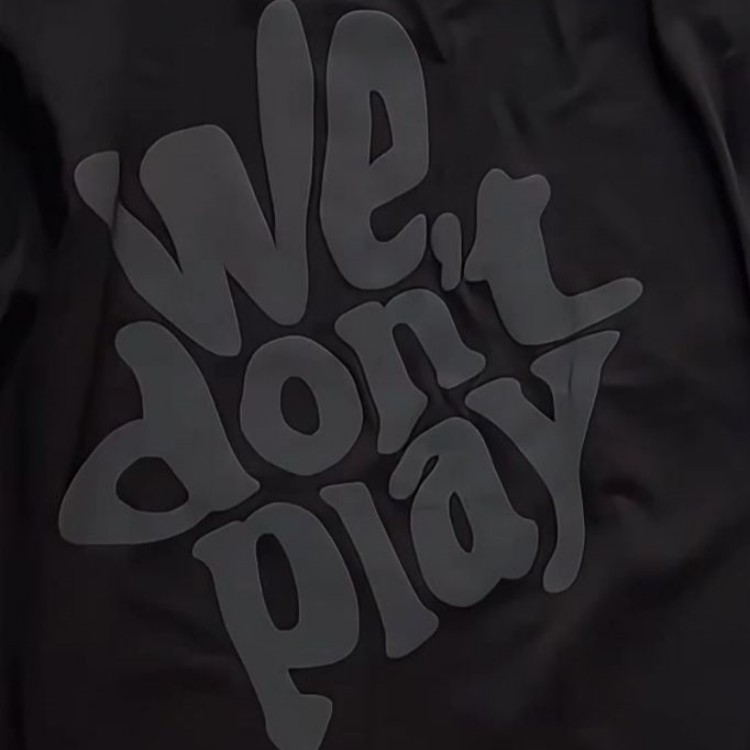
- High Density/Puff 3D Effect: When you want the logo to literally jump off the shirt.
Technical Specifications: Comparison Table
| Feature | Matte Tonal | High Gloss Tonal | High Density (3D) |
| Mesh Count | 230 – 305 (90-120T) | 110 – 156 (43-62T) | 86 – 110 (34-43T) |
| Squeegee Angle | Steep (75-80°) | Medium (70°) | Shallow (60°) |
| Ink Type | phthalate-free plastisol ink | Ultra-glossy high-opacity | HD clear + black pigment |
| Hand Feel | Very Soft | Rubberized | Firm/Raised |
Step-by-Step Production Guide for Factories
How do you start a 10,000-unit run without everything going sideways? You need a strict protocol. I’ve seen production lines stop dead because of simple mistakes during the curing stage.
1. Substrate Preparation
Keep in mind, black garments are usually packed with heavy dyes. If you are printing on 100% polyester or blends, you are basically fighting “dye migration.” That’s when the shirt’s dye bleeds into your ink, leaving it looking muddy or brownish instead of deep black.
Expert Tip: In many cases, you should use an anti migration printing ink as a base layer if you aren’t 100% sure about the fabric’s stability.
2. The Printing Stroke
Screen tension is everything for this look. If your screen is loose, that “ghost” image is going to look blurry. Keep your tension at 25+ Newtons. Also, go with a harder squeegee (around 75-80 durometer) if you are aiming for that matte look—it shears the ink off the screen much more cleanly.
3. Curing (The Part Everyone Misses)
You’ve got to hit a core temp of 320°F (160°C) for that screen printing ink to fully fuse. But here’s the catch with black-on-black: dark colors soak up heat fast. If you over-cure it, the print gets brittle and cracks. If you under-cure it, it will literally wash right off in the first laundry cycle.
Solving Real-World Production Headaches
I’ve spent enough time on factory floors to see the same “pain points” keep procurement managers up at night.
The “Cracking” Problem on Stretch Fabrics
Many modern black tees are combed cotton with a bit of Spandex. If you use a standard ink, the logo will crack the first time someone puts the shirt on. These stretch plastisol ink options are packed with more resin, so they can actually stretch and snap back without losing their grip on the fabric.
The “Fuzzy” Edge
If that black ink gets too thin or has low viscosity, it is going to soak into the fibers. You’ll lose that crisp, sharp edge that makes a tonal print look professional. Actually, the fix is simple: do not over-reduce your ink. Keep the body of the ink firm.
Case Study: A Streetwear Success Story
Not too long ago, a client came to us because they’d just lost a massive contract with a major retailer. Their tonal prints were “ghosting”—turning a dull grey after just one wash. They were using a cheap, off-brand ink that simply couldn’t hold its pigment.
We moved them to our high-opacity black series and suggested a “print-flash-print” technique. Give your ink a good stir before it hits the screen—it’s thixotropic, so the more you work it, the smoother it flows. Also, set your flash units to “touch dry” only. Don’t go for a full cure yet. If you bake it too hard under the flash, that next layer of ink just won’t bond properly. The result for this client? A deep, jet-black logo that felt like silk and passed every wash test.
Environmental and Safety Standards
Make sure your screen printing ink supplier is fully RSL (Restricted Substance List) compliant. Honestly, using phthalate-free plastisol ink isn’t just a “nice to have” anymore—it’s a strict requirement for almost every global brand today.
FAQ for Factory Owners and Procurement Officers
Q1: How do we maintain color consistency on a 50,000-piece order?
Total consistency starts with us. We keep a really tight grip on batch-to-batch quality in our lab. On your end, you really should use automatic presses. Automatics ensure that squeegee pressure and speed stay identical from the first shirt to the last.
Q2: Is tonal printing actually more expensive than using standard colors?
Surprisingly, it is often cheaper. Since you are printing black ink on a black shirt, you can usually skip the white underbase entirely. That saves you a screen, a flash station, and overall ink volume. The “value” comes from the technique, not the cost of the raw materials.
Q3: What is the lead time for bulk ink orders?
Being a large-scale plastisol ink manufacturer, we generally get bulk orders out the door in 7 to 10 days. We know that garment factory schedules are tight and you can’t afford downtime.
Q4: Do these inks meet the sustainability requirements of global brands?
Yes. High-end retailers are very strict about chemistry. All our screen printing plastisol ink products are formulated to be phthalate-free and lead-free, meeting major global environmental regulations like REACH.
Q5: How do we handle printing on black polyester without the color changing?
Dye migration is the enemy here. You must use a low-bleed ink or an anti migration printing ink as a barrier. This prevents those polyester dyes from turning your crisp black print into a muddy grey mess.
About HONG RUI SHENG
We operate a specialized screen printing ink factory that focuses purely on high-end plastisol solutions. It doesn’t matter if you are running a high-volume facility or a boutique shop; our job is to give you the chemistry that makes your prints look sharp and last through years of laundry.