
Table of Contents
What is the best screen printing ink for garment production? If you’re overseeing a busy factory or juggling high-volume orders, plastisol ink is pretty much the industry’s reliable workhorse. Making this choice isn’t just about the colors looking right; it really comes down to uptime. You need those machines humming without stopping every twenty minutes for clogs, ensuring the 10,000th shirt looks exactly as sharp as the first one off the line.
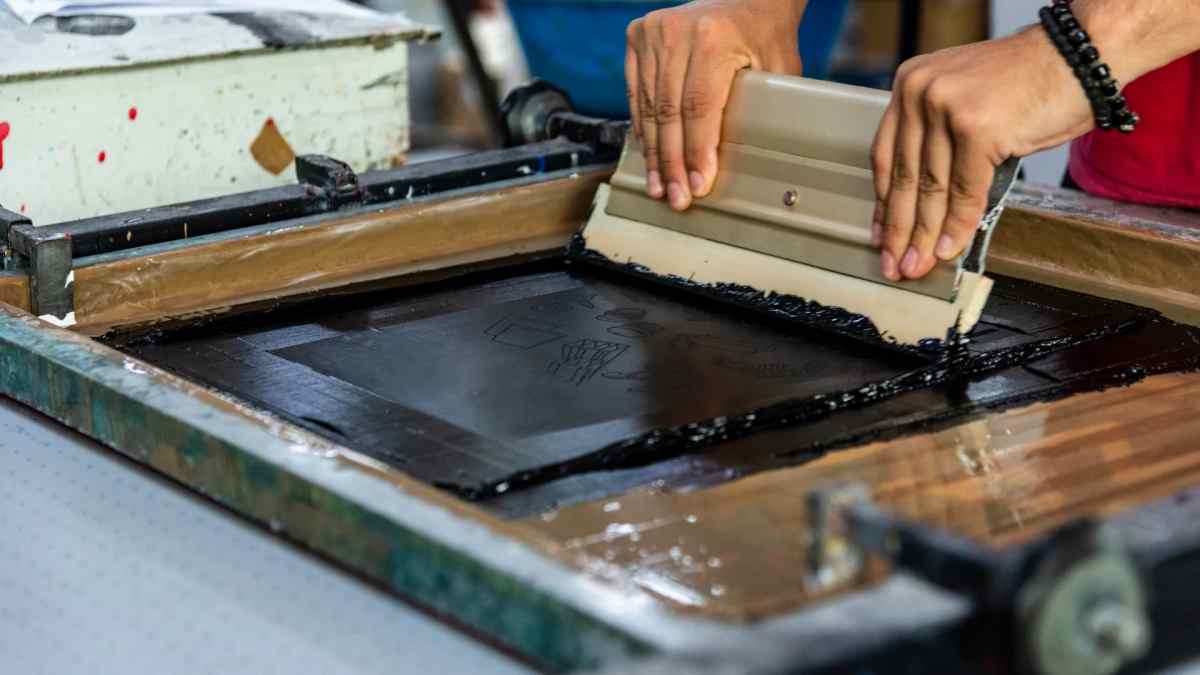
Actually, the real secret to plastisol is that it simply doesn’t dry in the screens. You won’t have to stress about the mesh clogging halfway through a shift. It stays wet and workable while you print but cures perfectly once it hits the dryer, giving you that heavy-duty opacity and wash durability that major brands always ask for.
Understanding the Big Question: What Ink Actually Fits Your Production?
When you’re actually on the factory floor, your focus is usually on throughput and keeping reject rates at zero. While water-based inks are popular for that soft-hand feel, they can be a total nightmare in a fast-paced shop because they evaporate and clog screens way too quickly. On the flip side, silicone inks offer amazing stretch, but let’s be honest—the price per print is usually too high for everyday apparel runs.
This is why global garment manufacturers continue to rely on plastisol. It’s a solid-based ink that only cures when it hits high heat. This “stay-open” property is the single most important factor for keeping your efficiency high.
Comparing Industrial Printing Options
To make the right choice for your facility, you need to look at how the chemistry performs under pressure. Here is a quick breakdown of how these options stack up when you’re looking at factory-level performance.
| Factor | Plastisol Ink | Water-Based Ink | Silicone Ink |
| Shelf Stability | Years (very stable) | Months | Days (once mixed) |
| Production Speed | High (No clogging) | Moderate (Needs care) | High |
| Opacity on Dark Fabric | Excellent | Poor to Fair | Excellent |
| Durability | Very High | High | Extreme |
| Cost per Print | Cost-Effective | Low to Moderate | Expensive |
Why Big Shops Keep Using Plastisol
Whenever I chat with floor managers, it always boils down to three big headaches: matching colors, keeping the presses running, and overall costs.
1. Unmatched Opacity
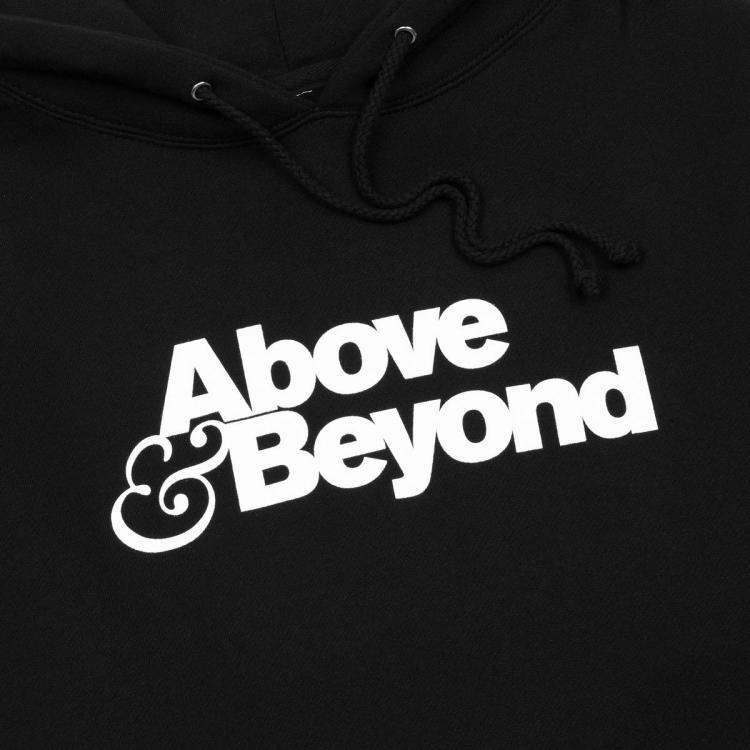
Imagine a client hands you an order for 5,000 black hoodies with a bright white logo. They expect that white to look sharp and pop. Our white plastisol ink is a high-solids product that basically sits right on top of the fabric fibers instead of disappearing into the weave. It creates a physical barrier that stops the garment color from bleeding through.
2. The Efficiency Factor
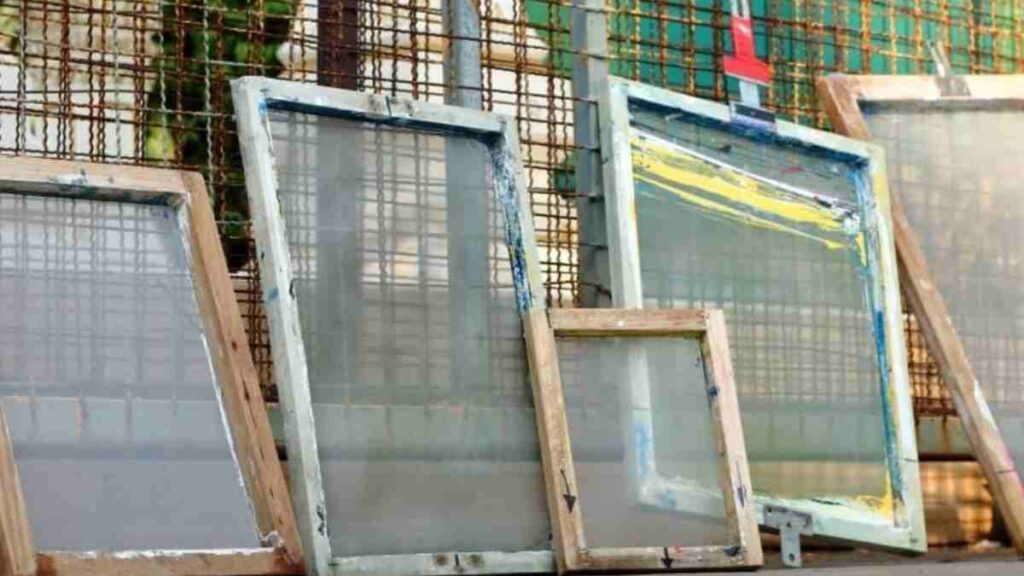
Every time a technician has to stop an automatic press just to scrub dried ink out of a 230-mesh screen, you’re literally watching money fly out the window. Plastisol ink won’t dry at room temperature. You can leave it on the screens while the crew grabs lunch, and it’ll be ready to go the second they get back. This stability is exactly why it’s the top choice for wholesale plastisol ink buyers.
3. Solving the Dye Migration Nightmare
If you print on polyester or tri-blends, you’ve likely dealt with dye migration—that’s when the fabric dye turns your white ink into a dull pink or grey. To fix this, factories use specialized anti migration printing ink. These inks contain blockers that stop the polyester gas from rising into the ink layer during the curing process.
Overcoming Technical Limitations
Plastisol is a workhorse, but it can feel “rubbery” if applied wrong. However, modern chemistry has solved most of these issues for the professional market.
Soft Hand Feel
If your clients want a softer touch, you can add “curable reducers” to the mix. This thins the viscosity and lets the ink penetrate the fibers a bit more. You get a feel that mimics water-based ink, but you keep all the production benefits of plastisol.
High Stretch Performance
For sportswear, traditional ink might crack. This is where stretch plastisol ink comes into play. These formulas have a much higher resin-to-pigment ratio, allowing the print to expand and contract with the fabric without losing its bond.
Curing and Energy Efficiency
Standard plastisol needs 300°F to 330°F to fully cure. But if you want to lower energy costs or print delicate garments, switch to a low-cure, high-opacity ink. These fuse at just 270°F (132°C). It stops scorching and saves serious money on electricity.
Practical Selection Advice for Factories
Pick the right ink based on your exact job requirements:
- Order Size: Printing over 1,000 items? Plastisol makes the most sense since it’s fast and consistent.
- Fabric Type: Grab a high-bleed resistant ink for 100% poly. For pure cotton, pretty much any solid plastisol looks great.
- By Wash Resistance: If you’re doing workwear or school uniforms that are going to be washed constantly, plastisol usually beats out everything else. It creates a physical bond with the fabric that really holds up against fading.
- By Budget: Since it has a long shelf life and causes fewer “rejects” on the line, plastisol is generally more cost-effective than silicone or high-end discharge inks.
How HONG RUI SHENG Can Help
We aren’t just a supplier; we are a plastisol ink manufacturer dedicated to solving real production problems. Whether you need a custom color match or a specific low-cure formula for a new fabric line, we have the chemistry to make it happen. Our HONG RUI SHENG INK products are designed to survive the rigors of high-speed industrial printing.
FAQ for High-Volume Buyers
Q1. How do you handle color consistency?
We use automated dispensing and lab testing for every batch. The “Navy Blue” you buy today will match the one you buy next year.
Q2. Can your ink keep up with high-speed automatic presses?
Definitely. Our formulas have “short body” characteristics. The ink shears easily under the squeegee but doesn’t drip or string when the screen lifts.
Q3. What is the shelf life for bulk orders?
If kept cool and dry, our plastisol lasts over 24 months. You can stock up on wholesale screen printing ink without worrying about it going bad or thickening in the bucket.
Q4. Do you provide compliance documents for export?
Yes, we provide full MSDS and certification documents. We know that for big exporters, keeping everything compliant—like meeting OEKO-TEX standards—is a must.
Q5. Can you make custom formulas for tricky fabrics?
Yes. If you’re dealing with waterproof nylon or high-compression spandex, our lab can adjust the resin levels to make sure the ink actually sticks.