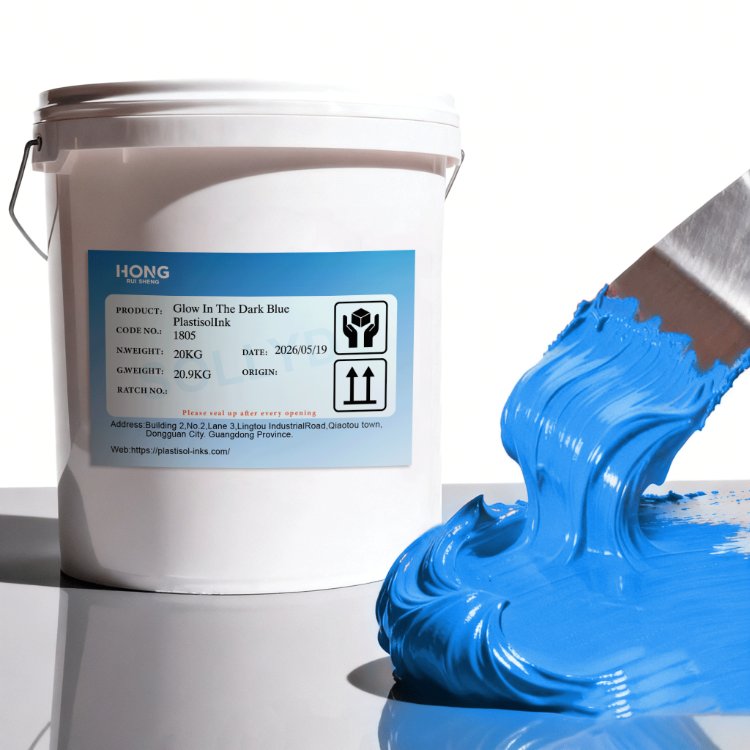
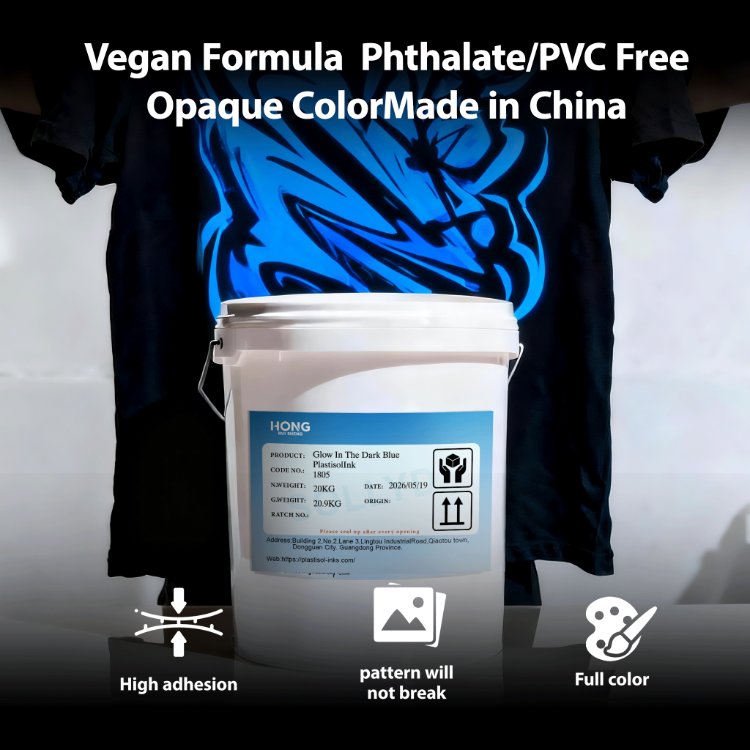
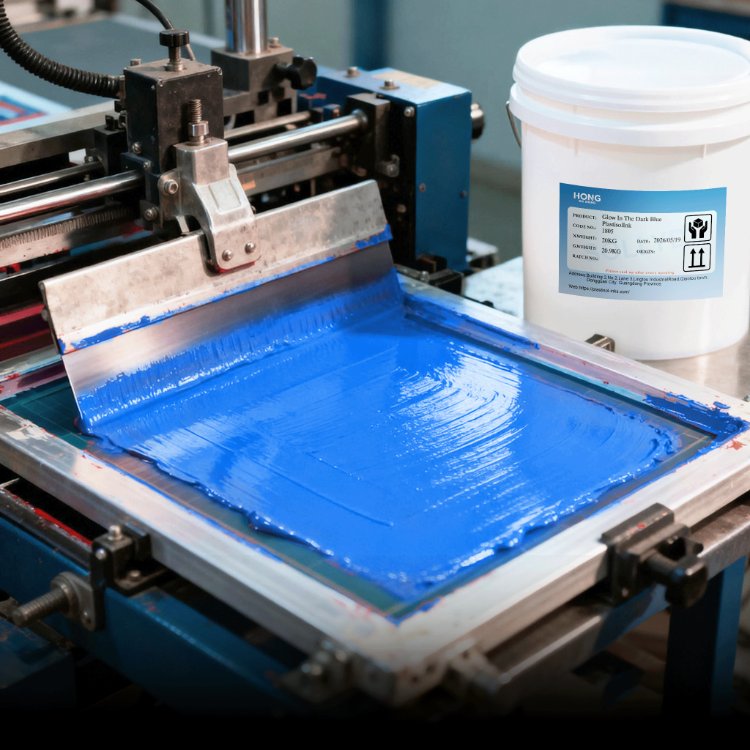
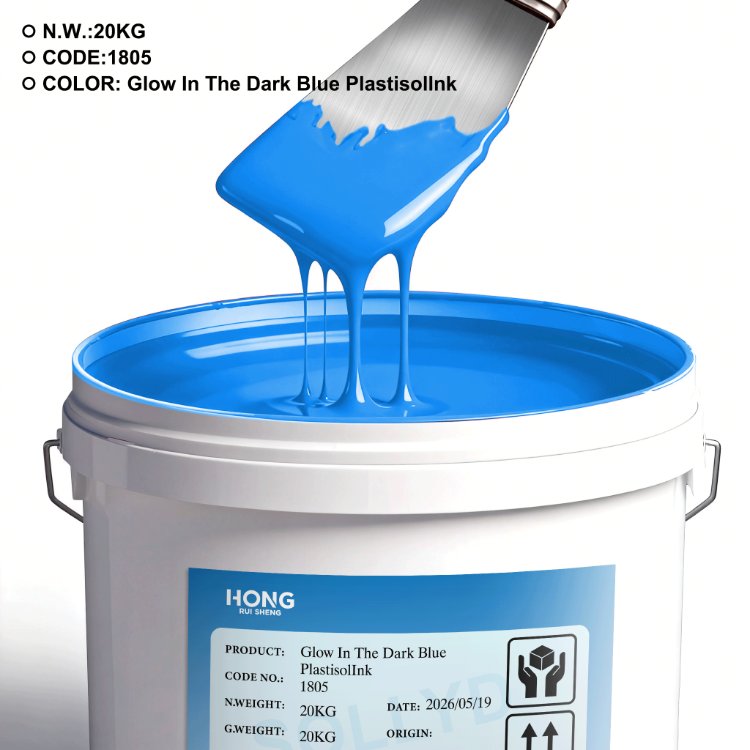
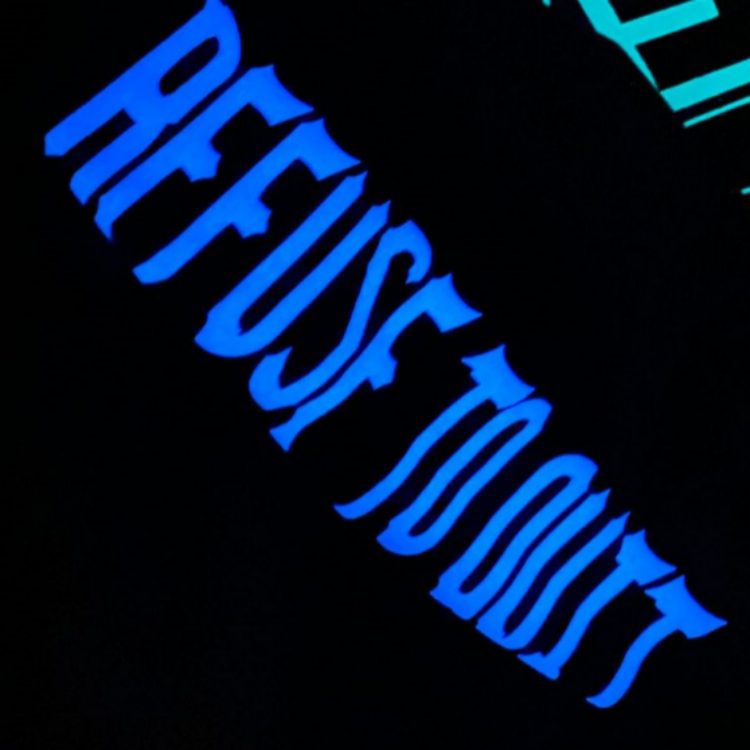
I’ve spent more nights than I care to admit in a cramped, sweaty print shop, breathing in that scent of pre-heated pallets while the manual press goes clack-clack. To be honest, that smell? It’s the scent of hard labor mixed with pure potential. I’ve spent way too long chasing every printing gimmick—glitters that got stuck in my hair and foils that peeled off before the first laundry day. But then? I finally got my hands on Glow In The Dark Blue Plastisol Ink, and let me tell you, it changed my business in a heartbeat.
Standard green is okay, but it’s just so predictable. But when you hand a client a shirt that hits them with a deep, ghostly cobalt blue the second the lights go out? Well, you aren’t just a guy with a squeegee anymore. You’re a magician.
In this guide, I’m going to pull back the curtain on how to actually master this medium. We’ll talk about why HONG RUI SHENG INK is the manufacturer you need to keep on your radar, and I’ll share the technical secrets that keep my customers coming back for more.
1. What Exactly Is This Stuff?
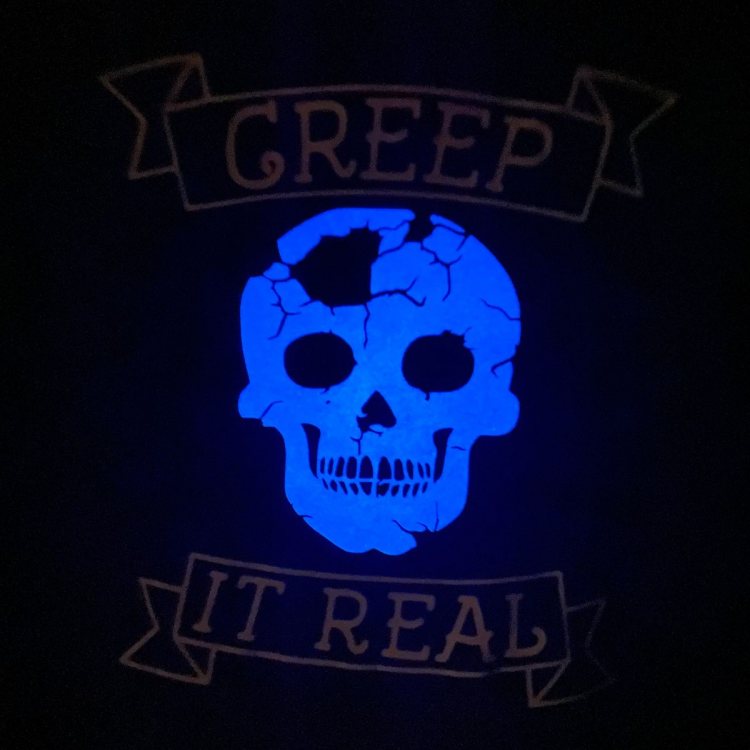
I’m not here to read you a manual, so let’s skip the dry theory and get to the good part. Most Glow in the Dark Plastisol Ink is packed with strontium aluminate. Think of those particles as tiny, invisible batteries that store light. They “charge up” under UV rays or even those bright LEDs in your shop, then slowly leak that energy back out as a visible glow.
There’s actually a boring scientific reason why everyone uses green—our retinas are just tuned into those specific wavelengths. It’s technically the brightest on paper. But blue? Blue is for the clients who want something sophisticated. It has a shorter wavelength and a “cool” factor that green just can’t touch.
Why Quality Matters
Look, I’ve been tempted by those “too-good-to-be-true” prices from mystery suppliers before. It turned into a total wreck. That ink felt like I was squeegeeing wet sandpaper, and it didn’t even make it through two cycles in the wash. If you’re serious about your reputation, you’ve got to go straight to a Screen Printing Ink Factory.
Actually, you’ll notice that when you source a legit, high-end Screen Printing Plastisol Ink, those pigment particles aren’t just tossed in. They’re suspended perfectly in the base. That’s the trick to getting a finish that’s smooth as butter and a glow that stays solid instead of looking patchy or weak.
2. The Technical Blueprint for Success
You can’t just dump this ink on a screen and pray for the best. If you do, the print will look dull and barely flicker. Here is my battle-tested workflow for the shop floor.
The Power of the Underbase
This is the biggest mistake I see rookies make. They try to print glow ink directly onto a black shirt. Please, just don’t. Glow ink is naturally a bit translucent. If you put it on a dark fabric, the garment will just “soak up” the light before you ever see it.
You absolutely must use a high-opacity White Plastisol Ink as your base layer. This white ink acts like a mirror, reflecting the light back through the glow pigment and doubling your brightness. I personally swear by the HF-Series White because it’s creamy and flashes in no time.
Mesh Counts and Deposit
Glow pigments are a bit “chunky” compared to your standard colors. Take it from me: if you try forcing this through a 305 mesh, you’ll clog the screen in minutes and probably want to throw your squeegee out the window.
My Recommendation: Stick to an 80 to 110 mesh (32T to 43T).
The Squeegee: A 70 durometer (medium) is usually the sweet spot.
You need to lay down a decent ink film. Give those “batteries” enough room to actually hold a charge.
3. Comparing the Options: Blue vs. The World
| Feature | Blue Glow Ink | Green Glow Ink | Standard Neon Ink |
| Visual Vibe | Modern, Premium, Electric | Classic, Safety, Radioactive | Bright but No Glow |
| Brightness | Moderate (Elegant) | High (Intense) | N/A |
| Best Use | High-end streetwear, Music festivals | Safety gear, Kid’s clothes | Gym wear |
| Price Point | Premium | Standard | Budget |
| Ink Source | Plastisol Ink Wholesale | Standard Suppliers | Local shops |
4. Staying Safe (And Keeping Your Clients Safe)
The market is shifting. These days, your customers aren’t just staring at the invoice; they’re genuinely worried about what’s touching their skin. Nobody wants lead or toxic chemicals in their clothes. This is exactly why I’ve made the switch to only sourcing Phthalate-Free Plastisol Ink.
If you’re printing for big brands or those eco-conscious boutiques, you really should look into PVC-Free Plastisol Ink. It gives you all the performance of traditional plastisol without the environmental “baggage.” My friends at HONG RUI SHENG INK have basically mastered this balance. Their CHJT-Series is a total game-changer if you’re trying to go green without losing your shirt.
5. Sourcing Like a Pro
I’ve spent a massive amount of time vetting suppliers over the years. You don’t just want a box of ink; you want a Plastisol Ink Manufacturer that actually understands the chemistry behind the color.
When you’re looking at Wholesale Plastisol Ink, don’t just hunt for the lowest price on the screen. You’re looking for consistency. If the blue glow is blinding today but dim as a candle next month, your reputation with your clients is toasted. That’s why I stick with Screen Printing Ink Supplier experts who run their own factory. They keep a tight grip on the pigment load and ensure the Stretch Plastisol Ink actually has some “give” so it doesn’t just crack the first time someone puts the shirt on.
6. Troubleshooting Common Nightmares
“My ink won’t glow!”
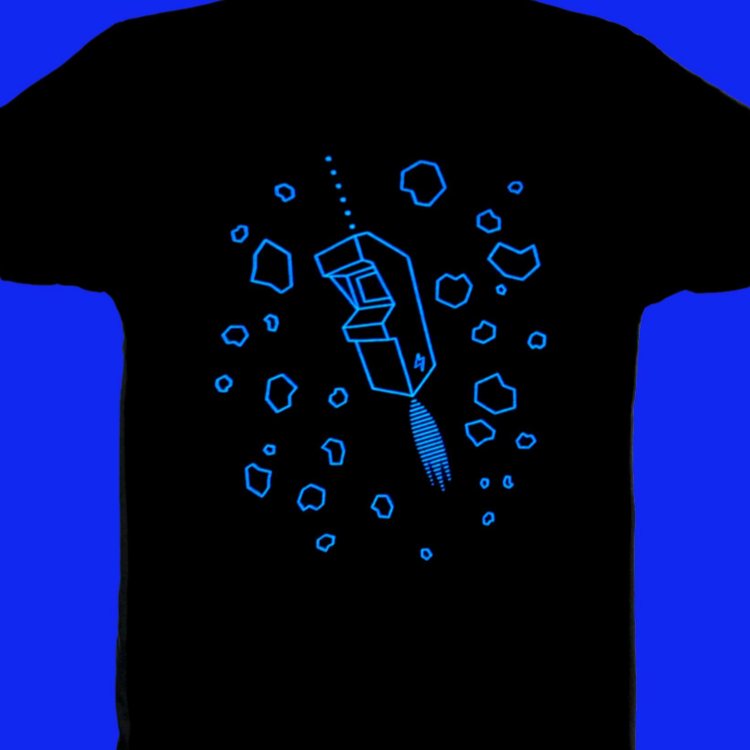
First, check your light source. Fluorescent and UV lights charge the ink in seconds, but soft “warm” LEDs take way longer. Also, check that underbase. If you skipped the white base on a dark shirt, you’re fighting a losing battle.
“The ink feels like a brick.”
That’s the nature of the beast with glow pigments. You can toss in a tiny bit of reducer if it’s too thick, but don’t overdo it or you’ll dilute the glow effect.
“My print is peeling off.”
You didn’t cure it. Plain and simple. The center of that thick ink deposit never hit 160°C. You’ve got to slow down that dryer belt!
FAQ: The Real Talk
Q1: Is Blue Glow really more expensive?
Yeah, it usually is. The strontium aluminate for blue light costs more to refine, but here’s the kicker: you can charge a 20-30% premium for the finished shirts. It’s a high-margin specialty service that pays for itself.
Q2: Can I mix this with other colors?
Sure you can, but you’ve got to be careful. If you mix in even a bit of Black Plastisol Ink, you’ll kill the glow for good. Keep it to transparent tints if you’re feeling experimental.
Q3: How long will it actually glow?
If you get it from a proper Screen Printing Ink Factory, you’re looking at 4 to 8 hours. Keep in mind that the real “wow” factor usually peaks in the first 30 minutes.
Q4: Do I need a special setup for this?
Not necessarily. Just a standard aluminum frame and a low mesh count. Just make sure your emulsion is thick enough to handle the grit.
Q5: Is this safe for baby or toddler clothes?
It’s only a safe bet if you are using Phthalate-Free Plastisol Ink. I always tell people to double-check the SGS or OEKO-TEX certifications from their Plastisol Ink Supplier before committing.
The Final Verdict
The garment market is incredibly crowded right now. If you’re just “that guy” who prints cheap white ink on black t-shirts, you’re easily replaced by a cheaper machine or the next shop down the street. But when you start offering specialty ink effects like Glow In The Dark Blue, you’re selling more than a garment. You’re selling an experience.
Wear your samples, wash them, and watch people’s faces light up when they see that blue glow in a dark room. It’s profitable, it’s high-impact, and to be honest? It’s just fun.
If you want to step up your game, have a look at what HONG RUI SHENG INK is doing. They know the industry inside out and won’t give you the runaround. Now, go make something that stands out.
Related products
- Special Series
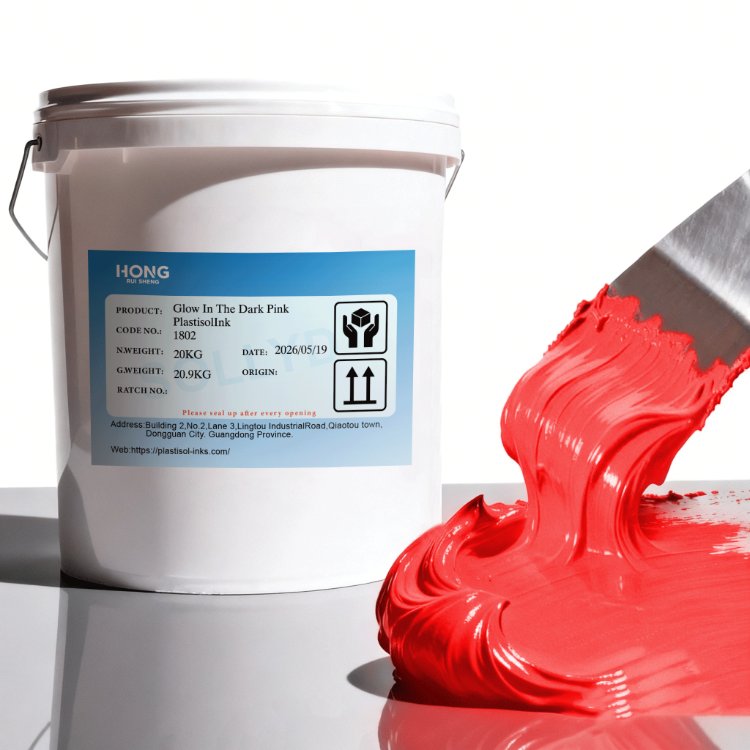
Glow In The Dark Pink Plastisol Ink
- Special Series
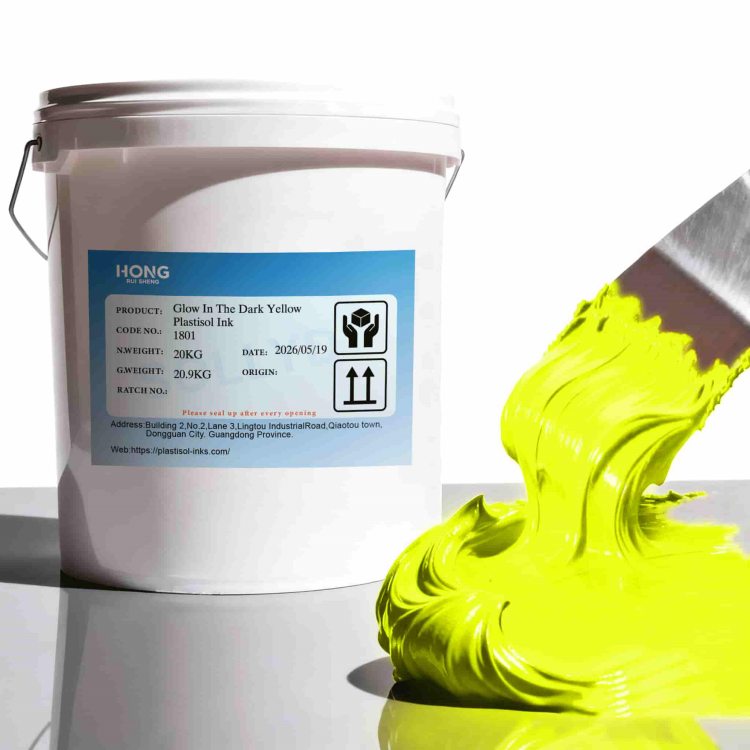
Glow In The Dark Yellow Plastisol Ink
- Special Series
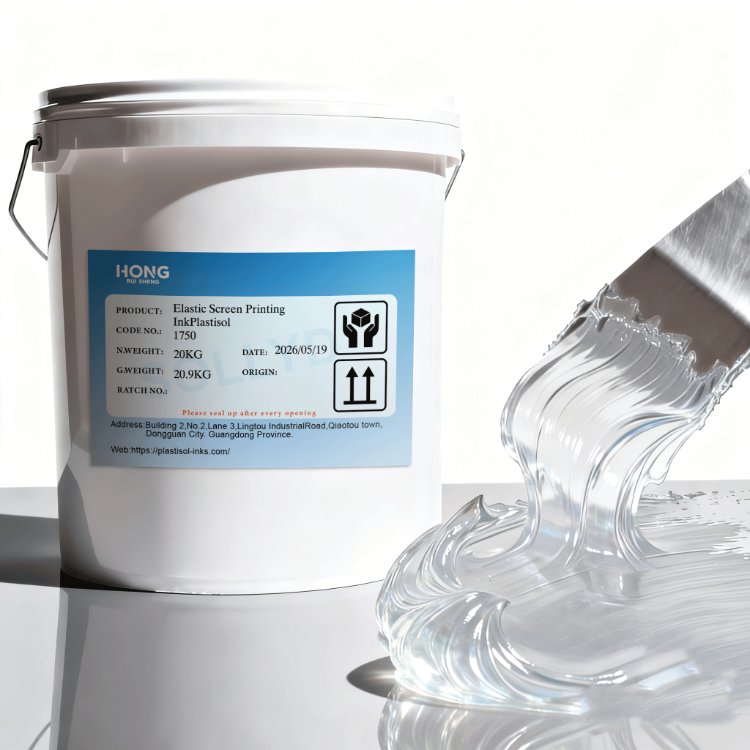
Elastic Screen Printing Ink Plastisol
- Special Series
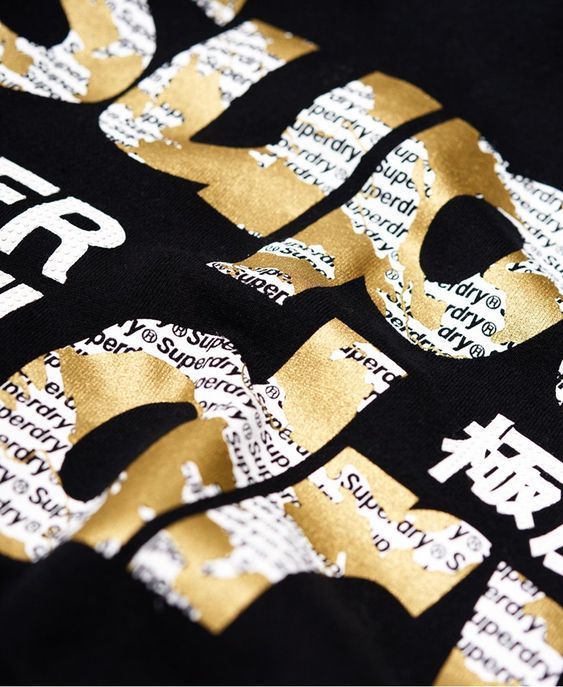
Metallic Gold Screen Printing Ink