
Screen reclaiming is the process of preparing a used screen for a new coating and exposure cycle. It involves more than removing visible plastisol ink. Depending on the condition of the screen, the process may also involve emulsion removal, haze treatment and inspection of the mesh.
This article focuses on screen restoration after plastisol printing. It does not cover removing a printed design from clothing. The main objective is to explain how ink removal, emulsion removal and haze control fit together when a screen is being returned to reusable condition.
فهرست مطالب
What Is Screen Reclaiming?
It’s the graveyard shift of the print shop. Tearing down the stencil, blasting out the grease, and getting the mesh back to square one so you can shoot a new job tomorrow. It’s not a quick wipe. You’re stripping cured photopolymer and breaking down PVC resins that got hammered into the threads under 80 pounds of squeegee pressure.
Screen Washing, Ink Degrading and Reclaiming Compared
Look, rookies mix these up every day on the forums. Screen washing is what you do on press with a shop rag. Ink degrading is the heavy chemical breakdown in the washout booth. Reclaiming is the whole damn teardown.
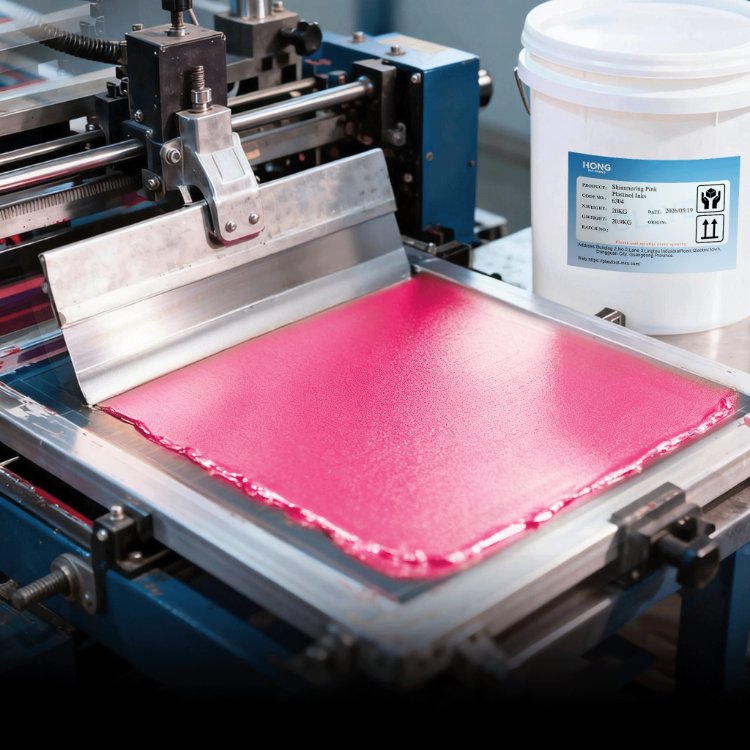
| صحنه | What It Actually Is | The Shop Floor Reality |
| Screen Wash | Hot solvent on press | Wiping out lint or color changes. Flashes off instantly so tape sticks. |
| Ink Degrader | Heavy oily solvent | Melts the leftover pigment on the mesh before you blast it. |
| Full Reclaim | Stripper and Degreaser | Destroying the emulsion stencil and stripping the screen to bare polyester. |
Step 1: Remove Excess Plastisol Ink
Card the ink. Ink costs money. White base is stiff as cold peanut butter right out of the bucket; you have to churn it with a spat until your forearms ache. Don’t throw that down the drain. Scoop every ounce of that plastisol back into the bucket. If you carry a frame loaded with a quarter-inch of heavy white ink straight to the dip tank, you’re destroying your reclaim chemicals and clogging your plumbing.
Step 2: Clean the Screen with a Compatible Ink Cleaner
Plastisol never dries on the mesh—leave it over the weekend, eat lunch, it doesn’t care. But don’t touch it with water. Water makes a smeared, greasy disaster. You need a dedicated ink degrader. Scrub it into the mesh. It sits there, cuts the heavy oil, and breaks the binder before you hit it with the pressure washer.
If you need to clean fresh ink before reclaiming, see our screen wash guide.
Step 3: Remove the Stencil and Emulsion
Spray the stripper. Let it sit for a minute. Do not let it dry. Newsflash: if emulsion remover dries on the screen, it chemically locks the stencil permanently. You’ll be chucking that frame in the dumpster.
Blast it from the shirt side first, then the squeegee side. Use a 1500-PSI pressure washer. Don’t use a garden hose and whine when the dual-cure won’t budge.
Step 4: Treat Haze and Ghost Images
You want bright white on black cotton? You’re smashing it through an 86 or 110 mesh with heavy squeegee pressure. Don’t whine when it feels like a truck tire, or when you push so hard you drive the pigment deep into the knuckles of the thread. Dump reducer in it to make it soft, and watch your opacity turn into a dirty gray ghost.
That trapped pigment is a ghost image. You need a haze remover. It’s caustic. It burns skin. Brush it on, leave it for exactly as long as the jug says, and blast it out. Leave it on overnight and it eats the polyester mesh.
Step 5: Rinse, Dry and Inspect the Mesh
Flood rinse with low pressure. Get every microscopic drop of chemical off the screen. If you leave degreaser or haze remover on the mesh, your next coat of emulsion will peel off in the washout booth like dead skin.
Put it on a drying rack in a dust-free room. Not next to your lint-covered flash dryer.
Common Causes of Screen Damage
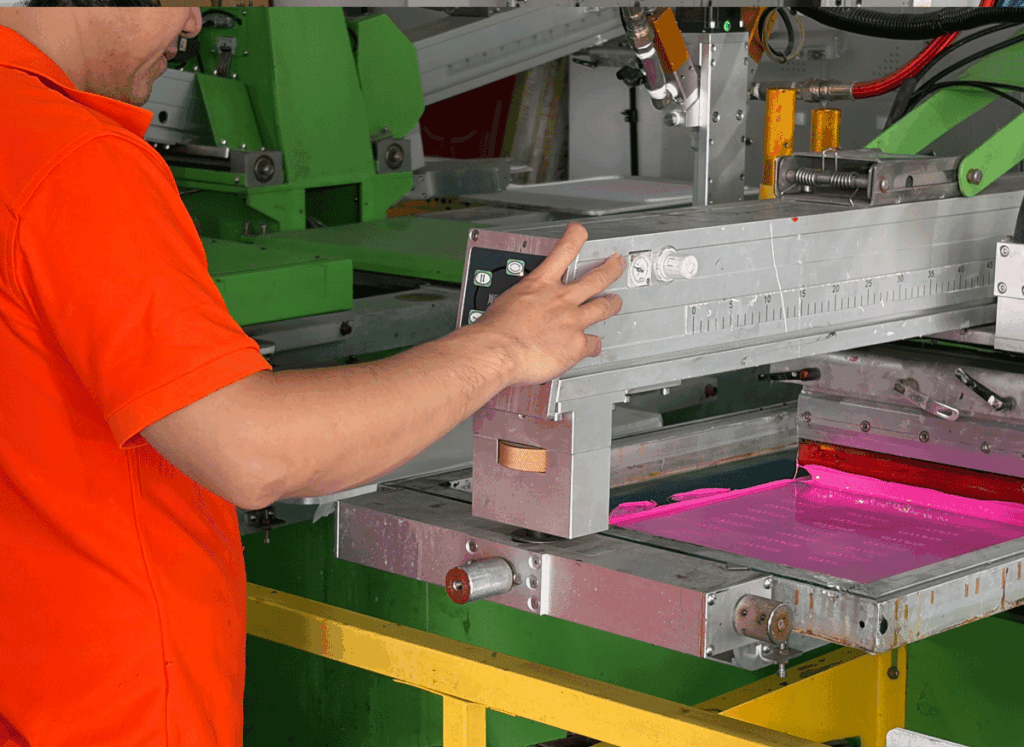
Nine times out of ten it’s a rookie mistake. Leaving a hot flash unit swung over the press bed while checking a text message. If you do that, you’re baking that vinyl paste to 320°F so it fuses into a solid chunk of rubber. Reclaim chemicals won’t touch it.
Other causes? Stabbing the mesh with a dirty metal spatula. Ripping the tension by holding a 3000-PSI pressure washer wand half an inch from the threads.
How to Extend Screen Life
Tension is everything. Stop throwing frames on the concrete. Keep them in racks. Use right-angle scrapers on your flood bars so you don’t gouge the screen.
For garment-related plastisol removal, see this garment cleaning reference.
Screen Reclaiming Safety and Waste Control
Your solvent rags belong in an OSHA-rated fire can. Piling mineral spirits and press wash rags in a cardboard box is how you burn the shop to the slab by midnight.
Filter your drain. Don’t let hardened plastisol and chunks of emulsion go into the city sewer. Wear safety goggles. A splash of caustic haze remover to the eyeball means your shift ends in the ER.
سوالات متداول
Why won’t my emulsion wash out?
You let the emulsion remover dry on the screen, or your screen was underexposed and the ink cleaner chemically locked it. The stencil is permanently fused. Trash the mesh.
Can I use mineral spirits to reclaim screens?
No. Mineral spirits cut wet ink but leave a heavy oily residue. They don’t strip emulsion. You need a dedicated degreaser and stripper, otherwise your next stencil won’t stick and your tape will fall off on the press.
Does haze actually ruin the next print?
Depends. A light color stain? Doesn’t matter. But if the pigment is physically clogging the open area of your 156 mesh, your next print will have a massive bald spot where the ink can’t pass through.
Why did my mesh rip in the washout booth?
You held the pressure washer wand too close to the screen, or you left a caustic haze remover on for two hours and rotted the polyester threads. Follow the chemical instructions.
Can I reclaim a screen if the plastisol cured in the mesh?
No. Drum it into your head that a 230°F flash is just tacky surface gel. If the core of that deposit sees a verified 320°F (160°C) on the press, it’s solid rubber. Reclaim chemicals dissolve wet plasticizer, not cured PVC. You can’t reclaim rubber. Cut the mesh out.