


Table of Contents
If you import printed apparel, especially children’s clothing, the short answer is this: choose tested, phthalate-free plastisol ink, verify the supplier’s documents, and test the final product when the product category requires it. This helps you reduce recall risk, prepare cleaner compliance files, and answer buyer questions faster.
At HONG RUI SHENG, we look at plastisol ink compliance from a practical importer’s angle. The buyer does not only ask, “Is the ink good?” They usually ask:
- Can this printed garment pass U.S. import and retailer checks?
- Is the ink safe for children’s apparel?
- Can I get test reports, batch records, and clear documentation?
- Can I use OEKO-TEX claims in marketing?
- What should I do before bulk production?
That is exactly what this guide explains.
CPSIA and OEKO-TEX: what importers really need to know
CPSIA and OEKO-TEX are often mentioned together, but they are not the same thing.
| Topic | CPSIA | OEKO-TEX STANDARD 100 |
|---|---|---|
| Main purpose | U.S. children’s product safety compliance | Textile harmful substance certification |
| Most relevant for importers | Children’s products imported into the U.S. | Textile products, components, and finished goods |
| Key proof | CPSC lab testing and children’s product certificate when required | Valid OEKO-TEX certificate and label check |
| Main concern for plastisol ink | Lead, phthalates, accessible components, surface coating risk | Harmful substances in textile materials and finished products |
| Source | CPSC testing and certification | OEKO-TEX STANDARD 100 |
For importers, CPSIA is the legal gate when the product is a covered children’s product in the U.S. OEKO-TEX is more about market trust, buyer confidence, and textile safety positioning.
If your order is adult promotional T-shirts, your risk level is different from baby bodysuits or kids’ printed pajamas. But in real sourcing work, serious buyers still prefer cleaner documentation, especially when the product may enter large retail, Amazon, schoolwear, or children’s apparel channels.
That is why we recommend building your ink sourcing around documented, safer options such as phthalate-free plastisol ink, pvc-free plastisol ink, and stable screen printing ink supplier support.
Why plastisol ink gets special attention
Plastisol ink is widely used because it gives strong opacity, bright color, good wash resistance, and reliable production handling. For factories, it is easy to print. For importers, it is easy to scale. That is why many buyers still choose plastisol ink for T-shirts, sportswear, uniforms, promotional apparel, and children’s prints.
But plastisol ink can also raise compliance questions because traditional plastisol systems are based on PVC resin and plasticizers. If the ink system uses restricted phthalates, or if pigments/additives bring heavy metal risk, the importer may face problems.
CPSC states that certain phthalates are restricted above 0.1% / 1000 ppm in accessible plasticized component parts of children’s toys and child care articles. The listed phthalates include DEHP, DBP, BBP, DINP, DIBP, DPENP, DHEXP, and DCHP.
For lead, CPSC explains two different limits for children’s products:
| Lead rule | Limit | Why it matters for printed apparel |
|---|---|---|
| Total lead content | 100 ppm | Applies to accessible component parts of children’s products |
| Lead in paint / surface coating | 90 ppm | May apply if the print acts like a scrapeable surface coating |
| Source | CPSC total lead content FAQ and CPSC lead in paint FAQ |
This is where plastisol ink becomes sensitive. CPSC says after-treatment applications such as screen prints, transfers, decals, or other prints may need testing if the textile is printed. CPSC also explains that staff may use a scraping test: if the ink scrapes off, it may be treated as surface coating; if it does not scrape off, it may be considered part of the textile and subject to total lead content rules.
In simple words: curing, adhesion, and ink formula matter.
Our practical view: Do not buy only by color and price
Many importers ask for bright white, soft hand feel, fast delivery, and low price. Those points matter, but they are not enough.
From our experience, the safer order conversation should start like this:
- What market is the product going to?
- Is it for adults, children, babies, or mixed retail?
- Is the print a normal direct screen print, transfer, puff, metallic, glow, or stretch print?
- Does the buyer need CPSIA, OEKO-TEX, REACH, or retailer-specific documents?
- Can the supplier provide current test reports and batch traceability?
For example, if you are printing babywear or kids’ T-shirts, we would usually guide the buyer toward a documented, phthalate-free system first. If the garment is sportswear with stretch fabric, then ink flexibility and curing control become more important, so stretch plastisol ink or low cure plastisol ink may be more practical, depending on fabric and production temperature.
The point is simple: the best plastisol ink is not only the one that prints well. It is the one that fits the product, market, fabric, and compliance file.

Cpsia for plastisol ink: what should importers check?
CPSIA applies to many children’s products imported into or sold in the United States. CPSC says manufacturers and importers of children’s products must third-party test products using a CPSC-accepted laboratory when applicable, and certify based on passing results.
For printed apparel, importers should focus on:
| Checkpoint | What to ask your supplier |
|---|---|
| Ink formula | Is it phthalate-free? Are restricted plasticizers controlled? |
| Heavy metals | Is there lead testing for the ink or final print? |
| Final product risk | Is the print scrapeable or fused into the textile? |
| Lab proof | Was testing done by a qualified lab accepted for the relevant rule? |
| Certificate | Can the importer issue or support a children’s product certificate when required? |
| Batch control | Can the supplier connect the report to the actual production batch? |
CPSC also states that importers may rely on component supplier testing only when certain conditions are satisfied, including due care and access to underlying documentation.
That means a supplier’s sentence like “our ink is safe” is not enough. You need the document path.
OEKO-TEX for plastisol ink: what does it mean?
OEKO-TEX STANDARD 100 tests textiles for harmful substances and covers different product classes. OEKO-TEX explains that Product Class 1 is for baby products and has the strictest requirements.
For importers, OEKO-TEX is useful because it helps buyers trust the product story. It can support conversations with retailers, brands, and private label customers.
But there is one common mistake: a certified component does not automatically make the whole garment certified.
Hohenstein explains that component certification can help, but finished product labeling and marketing claims require the finished product to be certified.
So if your ink supplier says the ink is OEKO-TEX related or tested, ask:
- Is the exact ink certified or only tested?
- What is the certificate number?
- Which product class applies?
- Is the final garment certified?
- Can the certificate be verified?
For a B2B importer, this protects you from overclaiming. It also helps your sales team avoid promising something the document cannot support.
Case data: what happens when printed ink fails?
A real recall shows why this matters. CPSC announced a recall of about 87,000 children’s clothing sets from Bentex because the textile ink on the clothing violated the federal lead paint ban or lead content ban, creating a lead poisoning hazard.
This case is important because it was not only about fabric. The issue involved textile ink.
For importers, the lesson is direct:
| Problem | Better practice |
|---|---|
| Only checking garment fabric | Check print ink and after-treatment applications |
| Relying on supplier claims | Request lab reports and certificate support |
| Testing too late | Test before bulk shipment |
| Ignoring print type | Confirm whether print can scrape off or fuses properly |
| Weak records | Keep batch, artwork, color, and test report records together |
This is why we suggest compliance review before mass production, not after the container is ready.
How we would start a safer plastisol ink sourcing plan
Step 1: classify the product
First, define the product clearly. Is it children’s apparel, babywear, adult workwear, sportswear, promotional shirts, or fashion apparel?
If it is children’s product territory, CPSIA risk becomes much higher. If the product is baby-related, both buyer expectations and OEKO-TEX product class expectations may be stricter.
Step 2: choose the right ink system
For children’s apparel and sensitive retail channels, start with phthalate-free plastisol ink. For lower-temperature fabrics or energy-saving production, consider low cure plastisol ink. For regular T-shirt programs, a stable t-shirt printing ink system may be enough if the compliance documents match the buyer’s market.
If the buyer is comparing PVC and PVC-free systems, pvc-free plastisol ink may help support a cleaner product positioning, depending on the target market and requested testing.
Step 3: ask for documents before sampling
Before you approve color, ask for:
- SDS
- latest test report
- certificate number if OEKO-TEX is claimed
- batch traceability
- recommended curing condition
- written confirmation about restricted phthalates
- lead/heavy metal testing support if children’s product use is expected
This saves time because you do not want to approve a perfect print that cannot pass the buyer’s document review.
Step 4: test the final product when needed
CPSC says manufacturers and importers of children’s products must third-party test and certify based on applicable rules.
In practice, if the product is for children and the print is part of the final garment, final product testing or valid component testing support is usually the safer route. This is especially important when the factory adds reducers, puff additives, metallic pigments, transfer adhesive, or anti-migration layers.
Best practices we recommend
Best practice 1: build a compliance file before production
Do not wait until shipment. Keep the ink test report, fabric details, print formula, curing condition, order batch, and buyer requirement in one file.
Result: your team can answer buyer questions faster and reduce shipment delays.
Best practice 2: match ink choice to fabric and market
A school uniform print, a baby bodysuit print, and a polyester sportswear print should not be treated the same. If you print on performance polyester, anti-migration control may matter. If you print babywear, harmful substance limits and documentation matter more.
For broader garment programs, we often suggest starting from fabric screen printing ink options and then narrowing by fabric, hand feel, curing temperature, and buyer compliance requirement.
Best practice 3: verify claims before using them in sales copy
If a product page says “OEKO-TEX certified,” the certificate should support that exact claim. Hohenstein notes that finished product labeling and marketing claims require finished product certification.
Result: you avoid misleading marketing and protect long-term buyer trust.
Importer checklist before placing a bulk order
| Stage | Action |
|---|---|
| Before sample | Confirm target market, age group, fabric, and print method |
| During sample | Test opacity, stretch, wash fastness, curing, and hand feel |
| Before bulk | Review SDS, test report, batch record, and certificate claims |
| During production | Keep curing temperature and time stable |
| Before shipment | Confirm labels, buyer documents, and compliance file |
| After delivery | Keep records for repeat order and traceability |
For importers, this checklist is not extra work. It is risk control. A few hours before production can save weeks of trouble after shipment.
Why work with HONG RUI SHENG for plastisol ink?
HONG RUI SHENG produces plastisol ink for B2B screen printing buyers, importers, and garment production teams. Our goal is not to sell one ink for every job. Our job is to help buyers choose the right ink system for the right product.
If your order needs high opacity white, standard black, stretch printing, low cure printing, or special effect printing, we can help match the product to the application. For importers building a long-term supply chain, this is more useful than only comparing price per kilogram.
A good ink supplier should help you answer three questions:
- Will this ink print well on my fabric?
- Can it support the buyer’s compliance request?
- Can the supplier repeat the same result in the next batch?
That is the kind of practical sourcing support B2B buyers need.
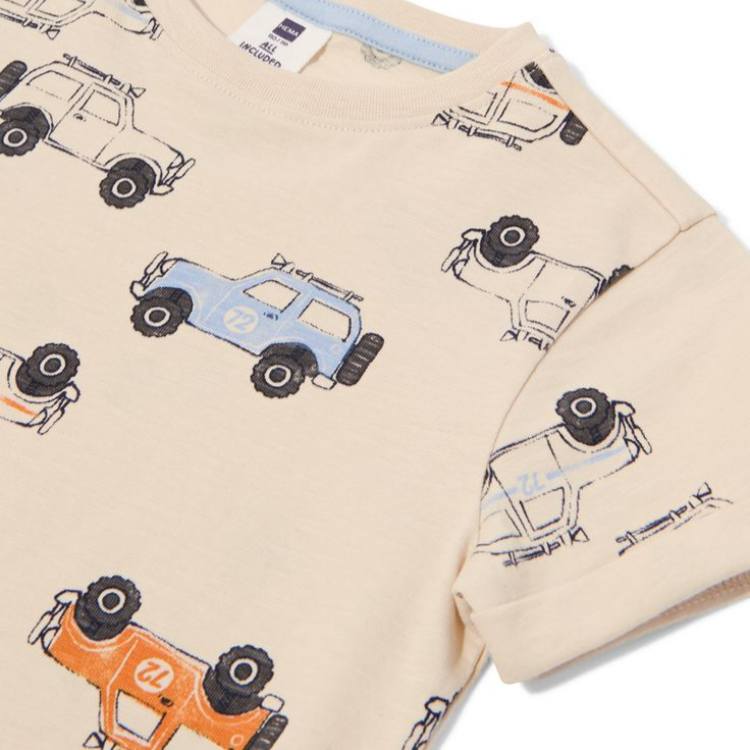
FAQ
Q1. Is plastisol ink CPSIA compliant?
Plastisol ink is not automatically compliant or non-compliant. The final product must meet the applicable CPSIA rules. For children’s products, CPSC lists lead limits and phthalate restrictions that may apply depending on product type and component accessibility.
Q2. Is OEKO-TAX the same as CPSIA?
No. CPSIA is a U.S. legal safety framework for covered consumer products. OEKO-TEX STANDARD 100 is a textile harmful substance certification system.
Q3. Can I use an OEKO-TEX claim if only the ink is certified?
Be careful. Hohenstein explains that finished product labeling and marketing claims require the finished product to be certified, not only a component.
Q4. What is the biggest compliance risk in printed children’s apparel?
Lead in the print and restricted phthalates are key concerns. CPSC notes 100 ppm for total lead content and 90 ppm for lead in paint or similar surface coatings.
Q5. What should I ask my ink supplier before bulk production?
Ask for SDS, test reports, batch traceability, curing instructions, certificate support, and confirmation that the ink system fits your target market. If it is a children’s product, check whether CPSC third-party testing and a children’s product certificate are required.