

Оглавление
I have walked through enough print shops in São Paulo and Santa Catarina to know exactly what keeps brand owners up at night. Think about the months you spent perfecting a single design and sourcing the right fabric, only to have the final print look like a tacky plastic sticker. It gets worse. If a customer drops eighty bucks on your premium hoodie and the logo flakes off after just one wash, that’s how brand reputations die overnight.
The fix isn’t just buying any random bucket of ink. You need a поставщик красок для трафаретной печати that understands how fashion actually works. High-end fashion needs vibrant colors, a soft touch, and effects that don’t die in the laundry. Switching to a professional-grade ink means you can actually stop stressing over returns and put that energy back into your next collection drop.
Why Fashion Brands Use Plastisol Ink for Garment Printing
Let’s cut the corporate talk for a second. In the Brazilian market, speed is everything. The sector is a powerhouse of global production. To keep up, you need a process that doesn’t fail.
One reason I’m a huge fan of plastisol is how it behaves—it simply won’t dry in the mesh. You can literally walk away for a lunch break, come back, and the ink is still ready to roll. It stays put. For any brand owner, this is a lifesaver because your 100th shirt is going to look just as sharp as the very first one off the press. The opacity is the real winner here. You get that punchy color on dark fabrics without having to cake on five layers of ink.
Plastisol Ink for Streetwear, T-Shirts, Hoodies, and Fashion Collections
Streetwear lives and dies by sharp visual contrast. If that underbase white looks dull or muddy, the rest of the artwork just falls flat. Getting real punch out of highlight shades—neon greens, bright cobalt blues, or sharp yellows on a pitch-black hoodie—comes down to laying down a solid, high-opacity белые пластизольные чернила base first.
Heavy fleece blanks bring their own set of headaches. The fabric shifts, the fibers are thick, and weak inks just sink straight into the weave and disappear. What you need is high-viscosity ink formulated to sit clean on top of the surface fiber. Working with a dependable plastisol ink wholesale partner keeps the formula identical from batch to batch, so you don’t run into opacity drops halfway through a large run.

Soft-Hand Plastisol Ink for Premium Apparel
If I had a dollar for every time a designer complained that plastisol felt too “rubbery” or heavy, I’d be retired. High-end brands hate that. They want a “soft-hand” feel where you can barely feel the print on the shirt.
We do this by using additives to thin the ink down. You get a print that is light and breathable but still has that plastisol toughness. It is perfect for vintage-style tees or premium loungewear where the “feel” of the garment is just as important as the look. I have seen brands double their sales just by switching to a softer print style.
High-Density and 3D Plastisol Printing for Fashion Designs
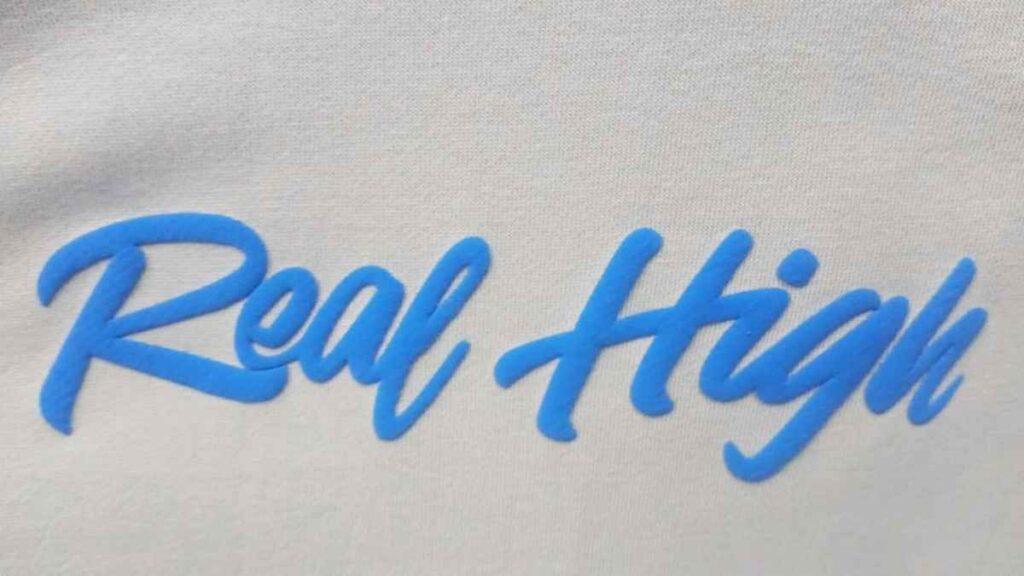
To get noticed from across the street, you really need some texture. That’s where high-density (HD) printing comes in—it creates a real 3D effect. The ink stands up off the fabric with sharp, clean edges. It looks like a molded piece of rubber but it’s actually just clever screen printing.
Honestly, it’s a massive trend in the luxury streetwear scene right now. You don’t actually need a huge graphic to make a statement; sometimes a tiny 3D logo on the chest or the sleeve is enough to make the whole piece look high-end. All it takes is a thick stencil and an ink formula that is thick enough to hold its shape while it cures in the dryer.
Совет профессионала: Don’t try to print HD in one giant go. Build it up. It takes a bit more time but the sharp edges are what make it look professional.
Puff Plastisol Ink for Raised Fashion Prints
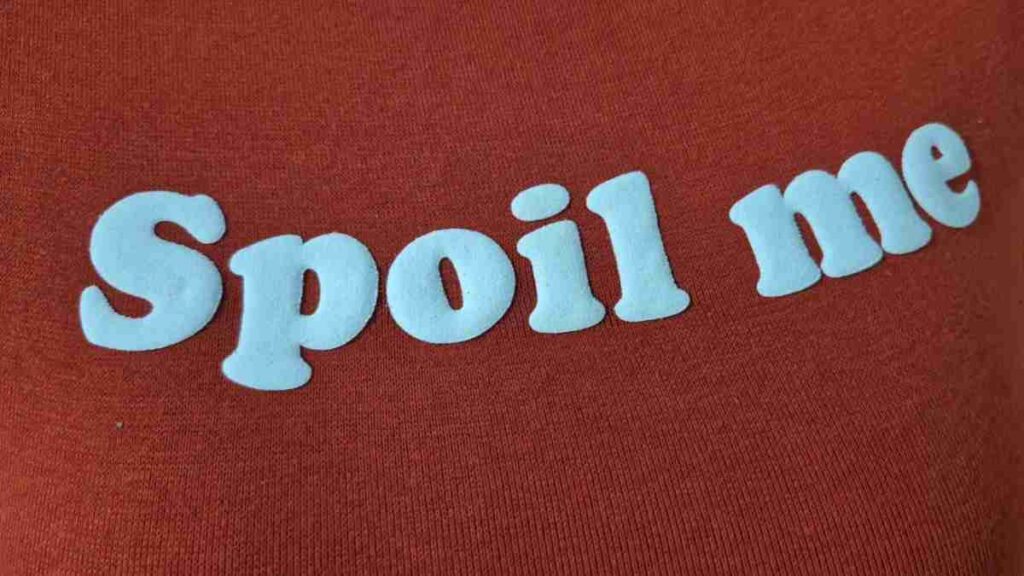
Puff is the fun cousin of HD printing. Our пластизольные чернила expands when it gets hot. It gives you a rounded, “marshmallow” look that is very popular for retro 90s designs.
It is a bit of a science project though. If your dryer is cranking too high, the puff is going to collapse and end up looking like a shriveled raisin. But if it’s too cool? It won’t rise at all. I always tell my friends in the industry to keep a laser temp gun handy. A perfect puff print is a massive crowd-pleaser that adds serious value to even a basic blank tee.
Matte, Gloss, Metallic, and Specialty Print Effects
Fashion is never a one-size-fits-all game. Some graphics need that sleek shine, while others demand a totally flat finish. For a more sophisticated, low-key vibe, matte is usually the way to go. On the flip side, gloss gives you that “wet” look that feels high-energy and aggressive.
Metallic: We have a specialty series with gold and silver that actually stays bright. I once saw a brand in Rio combine a matte black print with a high-gloss black print on the same shirt. The effect was subtle and amazing and it looked like something off a Paris runway.
Pantone Color Matching for Fashion Collections
Your brand’s “signature blue” has to be the same every time. If it’s a shade off, your customers will notice. At HONG RUI SHENG, we use the Pantone system to keep things exact. Whether you are printing in São Paulo or shipping to a shop in Europe, the colors stay consistent. This consistency is exactly how you build a brand people actually trust.
Printing Plastisol Ink on Cotton and Blended Fabrics
Now, while most streetwear is 100% cotton, sportswear usually brings in polyester blends, and that’s where things get messy. Use the wrong ink on a red poly shirt, and that red dye is going to “bleed” right into your white ink, turning it pink.
To prevent that disaster, you absolutely need a stretch plastisol ink. It blocks the dye and it lets the print stretch. If your fabric has any Lycra or Spandex, you need that stretch or the print will crack the first time someone puts the shirt on.
How to Improve Print Durability and Wash Resistance
I’ve seen so many brand owners get angry when their prints wash off. In most cases, the culprit is that the ink never fully “cured.” Plastisol has to reach 160°C (320°F) all the way through the ink layer.
If you’re running your dryer too fast, the surface of the print might feel dry to the touch, but the bottom layer is still basically a liquid. It will look great on the drying rack and then it will fall off in the first wash. I always recommend doing a “stretch test” and a “wash test” before you ship a single shirt to a customer.
PVC-Free and Phthalate-Free Ink Options for Fashion Brands
Big retailers are getting very strict about chemicals. If you want to sell in big malls or export to Europe, you need to follow rules like OEKO-TEX Standard 100.
Наш сайт пластизольные чернила без фталатов is made for this. It’s better for the planet and, more importantly, it’s safer for the person actually wearing the clothes. In today’s market, being able to market your brand as “clean” or “eco-friendly” is a huge competitive edge. Customers actually care about what’s touching their skin these days.
Small Trial Orders vs Large Production Orders
Look, I know what it’s like to run a brand out of a garage. You aren’t always looking for 500kg of ink right out of the gate. That’s why we provide smaller trial amounts—it lets you test your ideas to see what sticks. Then, once your brand blows up and you’re moving thousands of units, we’re ready to scale right alongside you. Having a partner that grows with you is much better than constantly switching suppliers.
Custom Plastisol Ink Development for Brazil Fashion Brands
Brazil is hot and humid and that can mess with how ink feels on the screen. Every now and then, you might need a little tweak to the formula to make it behave in your specific shop environment. We aren’t just here to ship you buckets of ink; we’re here to help you troubleshoot real production headaches. If a fabric is giving you trouble, we can find a way to make the ink stick and stay.
Questions Fashion Brands Should Ask Their Ink Supplier
Don’t just get hung up on the price per kilo. You need to be asking the tough questions:
- Is it Phthalate-free? (Safety first).
- What is the “flash” time? (Faster is better for production).
- Does it have a soft-hand base? (For that premium feel).
- Is it low-bleed? (Crucial for polyester).
- Can I get a technical data sheet? (To make sure your dryer is set right).
FAQ for Fashion Brands
Q1: We want to keep things eco-friendly. Is that possible?
А: Absolutely, provided you’re using our phthalate-free plastisol ink. We also stock PVC-free options that can clear even the strictest environmental bars in the industry. Being “green” is about the chemicals you choose.
Q2: Why does my print feel like a thick piece of plastic?
А: You are probably using too much ink. Try a higher mesh screen and add some “soft-hand” reducer. It will make the print feel much more like a part of the fabric.
Q3: Can I print on dark polyester without the color changing?
А: You need an anti migration printing ink. It acts like a “shield” that stops the shirt’s dye from moving up into your bright white or yellow ink.
Q4: How do I get a really high-gloss look for a streetwear line?
А: We have a specific high-gloss additive. You print it as a top coat and it gives you a shiny, wet finish that really stands out under shop lights.
Q5: What happens if the ink is “under-cured”?
А: It will wash off. It’s that simple. Always use a temp gun to make sure the center of the print hits 160°C. If you do that, the print will likely outlast the shirt itself.