


Listen, my friends, I’ve been in the screen printing trenches for over twenty years. I’ve seen it all. I’ve seen perfect 500-piece orders of crimson polyester jerseys leave the dryer looking like a million bucks only to have the client call me forty-eight hours later. They aren’t happy. Why? Because the crisp white logos I printed turned a sickly shade of bubblegum pink.
In the industry, we call this dye migration or “sublimation.” In my shop, I call it a profit-killer. If you’ve ever had to eat the cost of a few hundred ruined performance tees, you know exactly what I’m talking about. It’s a nightmare but I’ve found the cure.
Today, I’m going to share some hard-won wisdom about Antimigrationstryckfärg and why choosing the right Screentrycksfärgfabrik—specifically HONG RUI SHENG INK—is the difference between a thriving business and a shuttered shop.
What the Heck is Dye Migration? (And Why Does It Hate You?)
Before we talk about the fix, we need to understand the enemy. Polyester isn’t like cotton. Cotton is a thirsty fiber; it drinks up the dye and holds onto it. Polyester is different. It’s basically plastic. The “dyes” used to color polyester are actually tiny particles of pigment suspended in the fiber.
When you run that red or navy polyester shirt through your conveyor dryer, something happens at around 300°F (150°C). The dyes in the fabric turn into a gas. This gas doesn’t just vanish into thin air; it hitches a ride right into your beautiful white plastisol ink.
If you’re using a standard Vit Plastisol bläck, those gas molecules pass through the ink layer like a ghost through a wall. Before you know it, your white ink is no longer white. It’s pink, or grey, or a weird muddy brown. C’est la vie? No way. Not on my watch.
The Secret Weapon: Anti-Migration Plastisol Ink
To fight a gas, you need a barrier. You need something that stands at the gate and says, “Non!” to those migrating dyes. That’s where Antimigrationstryckfärg comes in.
This isn’t just regular ink with a fancy label. Manufacturers like HONG RUI SHENG formulate these inks with special “blocker” pigments. Usually, this involves a gray or black underbase that contains carbon or other high-opacity solids. These solids act as a physical wall. The dye gas hits the blocker and stops dead but the top white layer stays perfectly clean.
Why HONG RUI SHENG is My Go-To Supplier
I’ve tried the big-name brands and some of them are decent. However, when I look at my bottom line, I need Partihandel Plastisol-bläck that performs like a premium product without the “premium” marketing markup.
HONG RUI SHENG är en Leverantör av screentryckfärg that actually listens to printers. Their Screentryck Plastisol Ink has a few “je ne sais quoi” qualities that make my life easier:
Low Cure Temperatures: Their Låghärdande Plastisol-bläck gels at temperatures that won’t trigger the fabric’s sublimation point.
Hög opacitet: I don’t need three passes to get a solid white. One hit of their Plastisol-bläck med hög opacitet and I’m good to go.
Safety First: Everything is Ftalatfritt Plastisol-bläck, which is a must for my big retail clients.

The Technical Breakdown: How to Print It Right
I’ve seen guys buy the best Antimigrationstryckfärg and still mess up the job. It’s not just the ink; it’s the technique. Here is how I set up my press for a 100% polyester run.
1. The Mesh Count Mystery
Don’t use a 230 mesh for your blocker. You need a thick enough “wall” to stop the dye. I usually stick to a 110 or 125 mesh for my grey blocker. For the top white, I might go up to a 156 but never higher. You want a thick ink deposit.
2. Gummidansen
Use a 70/90/70 triple durometer squeegee. It gives you the power to press ink deep into the fabric, while also allowing you to control it precisely to create a smooth and even surface. Apply too much pressure, and the ink will bleed straight through the garment; apply too little, and the surface will take on a rough, “orange peel”-like texture.
3. The Temperature “Sweet Spot”
This is where most printers fail. You need to cure the ink, but you must not “over-cook” the shirt. If your dryer is set to 330°F, you are asking for trouble. I set my dryer slower and keep the heat around 280°F-290°F when using Låghärdande Plastisol-bläck.
Data Analysis: The Real Cost of Migration
I put together this table to show my apprentices why we don’t skip the blocker. Let’s look at the numbers.
Table 1: Cost Comparison of Standard vs. Anti-Migration Setup
| Särdrag | Standard White Ink | HONG RUI SHENG Anti-Migration System |
| Initial Ink Cost | $ (Cheap) | (Moderate) |
| Labor (Reprinting) | High Risk | Zero |
| Garment Waste | 5-10% (on poly) | < 1% |
| Customer Satisfaction | “Wait, why is my logo pink?” | “I love it! Take my money!” |
| Long-Term Profit | Low (due to replacements) | High (Repeat business) |
As you can see, the “cheaper” ink is actually much more expensive when you factor in the 100 shirts you had to throw away because they looked like a strawberry milkshake.
A Pro’s Guide to Screen Setup and Chemistry
When I’m working with Stretch Plastisol-bläck for those tight yoga pants, the chemistry matters. You need an ink that can stretch but still block the dye. HONG RUI SHENG has mastered this. Their PVC-fri Plastisol-bläck options are especially impressive because they maintain flexibility without getting tacky.
Analytical Chart: Ink Performance by Fabric Type
| Fabric Material | Best Ink Choice | Migration Risk |
| 100% Bomull | Vit Plastisol bläck | None |
| 50/50 Blend | Låghärdande Plastisol-bläck | Måttlig |
| 100% Polyester | Blocker Grey + White | Hög |
| Sublimated Camo | Black Blocker + White | Extrem |
Common Mistakes (And How to Avoid Them)
I’ve made every mistake in the book so you don’t have to. Here are the “big three” errors I see in shops today:
Stacking Hot Shirts: This is a classic. You pull the shirts off the dryer and stack them high while they are still 300 degrees. The heat stays trapped in the middle of the pile and triggers migration after the shirt is cured. I always use cooling fans at the end of my dryer belt.
Ignoring the Flash: If your flash unit is too hot, you start the migration process before the shirt even hits the dryer. Get a digital pyrometer and check your pallet temps!
Mixing Brands: Don’t use Brand A’s blocker with Brand B’s white. They might not bond correctly. I stay loyal to my Plastisol bläcktillverkare because I know their Plastisol CMYK-bläck and blockers are chemically compatible.

Vanliga frågor
1. Can I just use two layers of white ink instead of a blocker?
No, mon ami. Two layers of standard white will still turn pink. You need the specific metallic or carbon pigments found in a true Antimigrationstryckfärg to stop the gas.
2. Does “Low Bleed” mean “No Bleed”?
Not always. “Low bleed” is a marketing term. For 100% polyester, you specifically need an anti-migration blocker. Don’t gamble your reputation on a “maybe.”
3. Why is the blocker ink usually grey?
Because the particles used to block the dye (like carbon) are naturally dark. A grey blocker provides a neutral, opaque base that the white ink can easily cover.
4. Can I use these inks on spandex?
Absolutely. Just make sure you are using a Stretch Plastisol-bläck variant. If the ink blocks the dye but cracks when the athlete puts the shirt on, you’ve still failed.
5. Is HONG RUI SHENG ink safe for children’s clothing?
Yes. Their Ftalatfritt Plastisol-bläck meets major safety standards, making it perfect for youth sports jerseys.
Final Thoughts from the Press Room
Screen printing is an art but it’s also a science. You wouldn’t try to build a house on a swamp without a foundation so don’t try to print on polyester without a blocker.
I’ve found that using HONG RUI SHENG INK gives me the peace of mind I need. I can go home on a Friday night knowing that the red jerseys I printed won’t be pink by Monday morning. That’s worth every penny.
If you’re ready to stop the bleeding and start producing professional-grade performance wear, check out their Screen Printing Ink Solutions. Your clients—and your sanity—will thank you.
Stay thirsty for quality and keep those squeegees sharp!
Relaterade produkter
- Specialserie
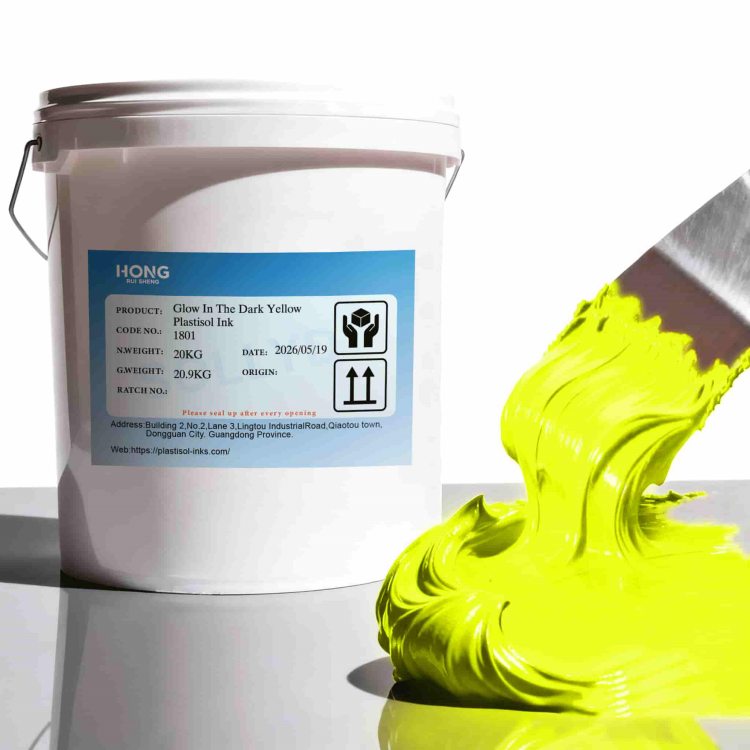
Självlysande gult plastisolbläck
- Specialserie
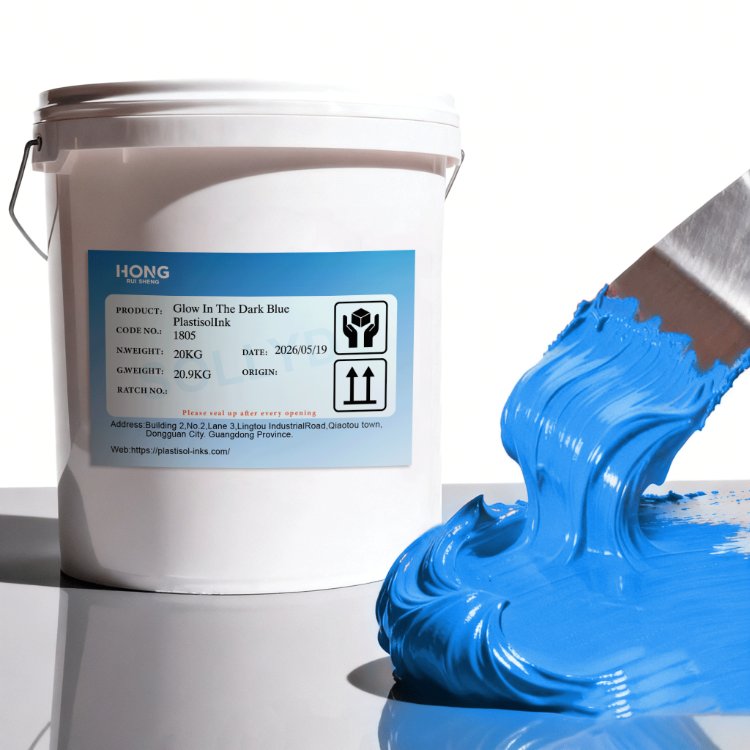
Lysande blå Plastisol-bläck
- Specialserie
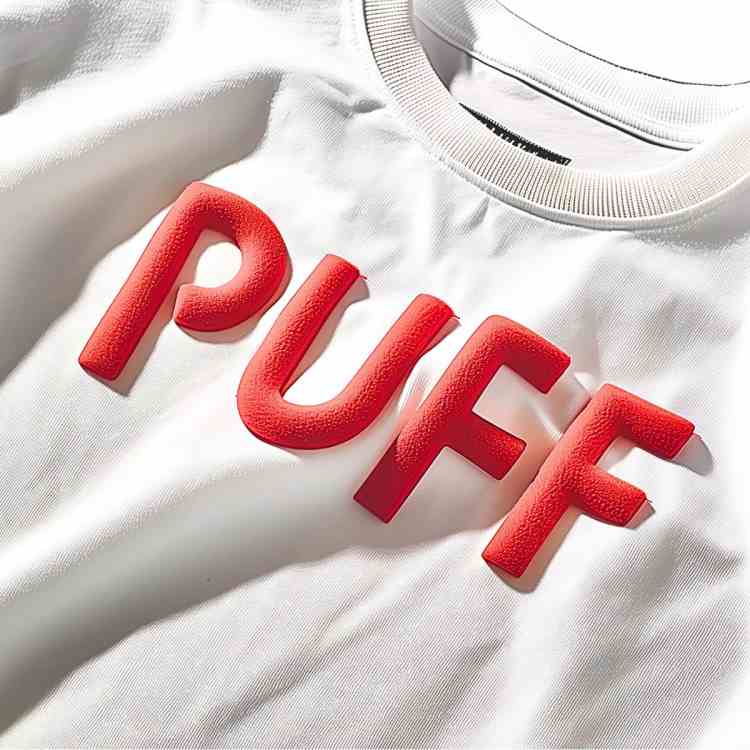
Puff Plastisol Ink
- Specialserie
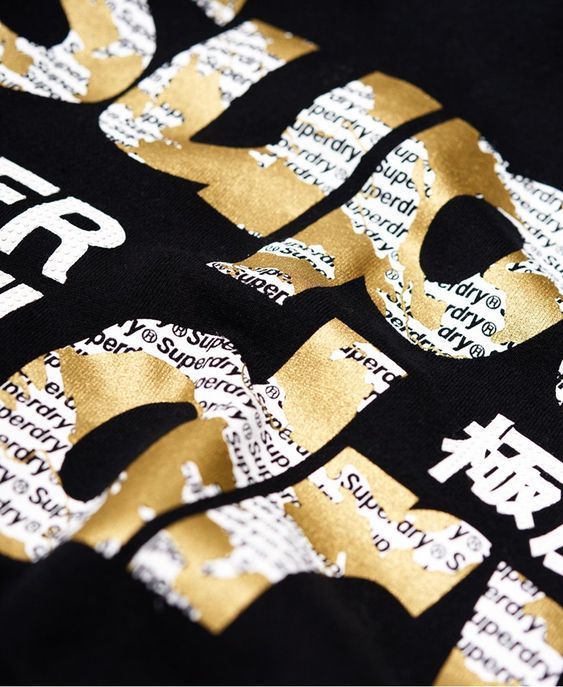
Metalliskt guld screentryckfärg
 English
 Arabic
 Belarusian
 Bengali
 German
 Finnish
 French
 Italian
 Japanese
 Turkish
 Polish
 Danish
 Hungarian
 Croatian
 Hebrew
 Russian
 Greek
Greek Vietnamese
 Ukrainian
 Spanish
 Galician
 Marathi
 Thai
Thai Swedish
 Tamil
Tamil Afrikaans
 South Azerbaijani
 Welsh
Welsh Persian
 Indonesian