I’ve spent twenty years in the screen printing business and I’ve seen it all. I’ve seen inks that crack after one wash. I’ve seen whites so thick they feel like a slab of drywall on a t-shirt. But nothing—and I mean nothing—is as frustrating as a “glow” ink that stays dark.
You know the feeling. You promise a client their logo will shine like a lighthouse at a night run. You print it and you dry it and then you turn off the lights. What do you see? What you usually get is a sad, weak green glimmer that vanishes before you can even show it off. It’s honestly embarrassing—not to mention a total waste of your hard-earned cash.
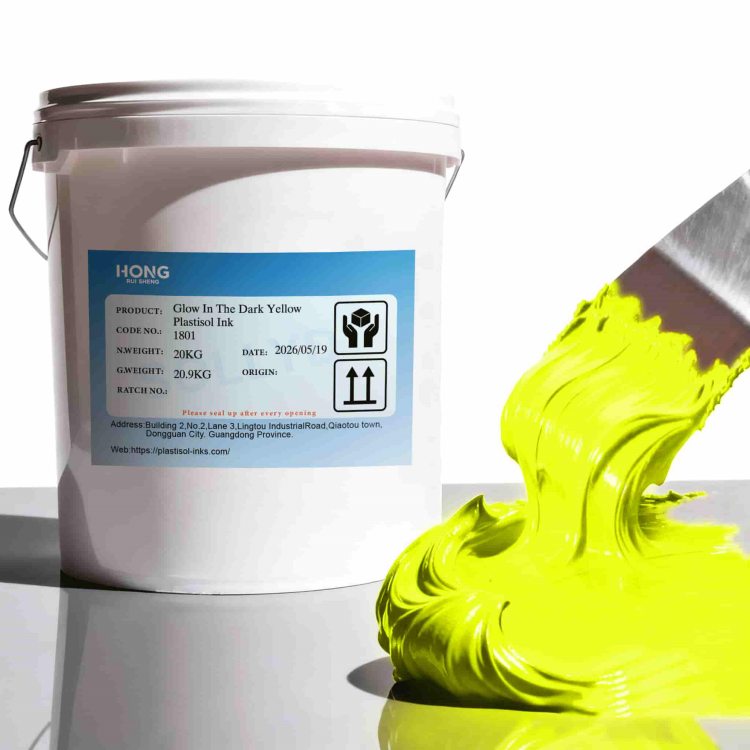
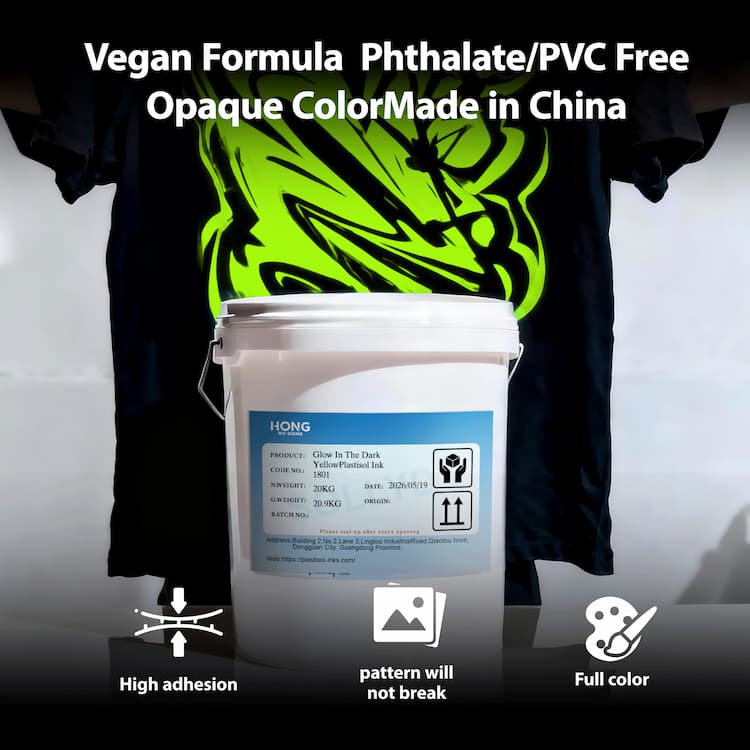
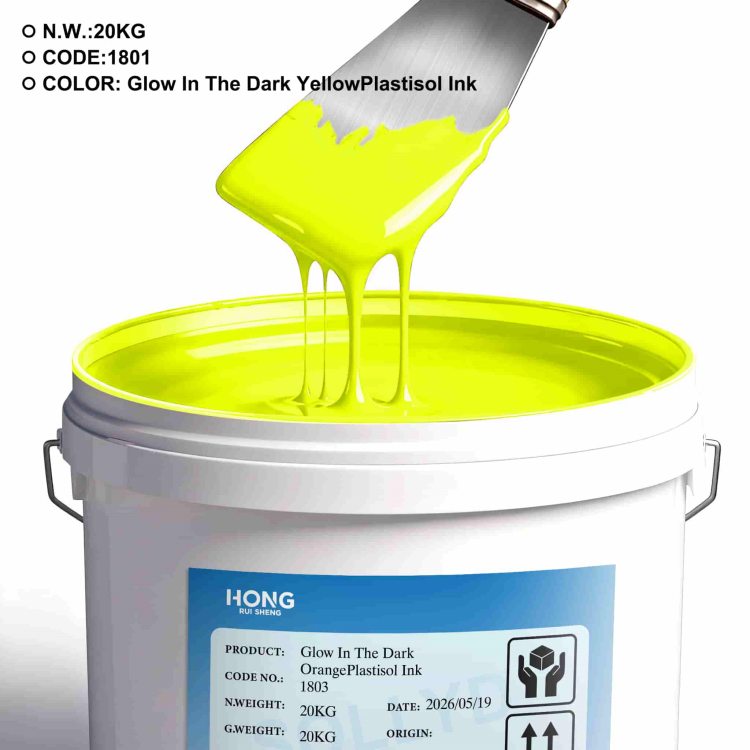
That’s exactly why I teamed up with HONG RUI SHENG. I was fed up and wanted to fix this “invisible ink” issue for good. So, today I’m laying it all out: my real-world experience with Glow In The Dark Yellow Plastisol Ink. Trust me, this stuff is a game-changer for any print shop, and I’ll walk you through the tricks to make sure your customers are literally begging for more.
1. Why Yellow? The Psychology of the Night
Most people think of that classic “zombie green” when they think of glow ink. Green is fine for a spooky ghost but yellow is different. Actually, yellow brings that high-energy vibe. It strikes this perfect balance—it’s the go-to for safety gear, yet somehow it still feels high-end and luxurious.
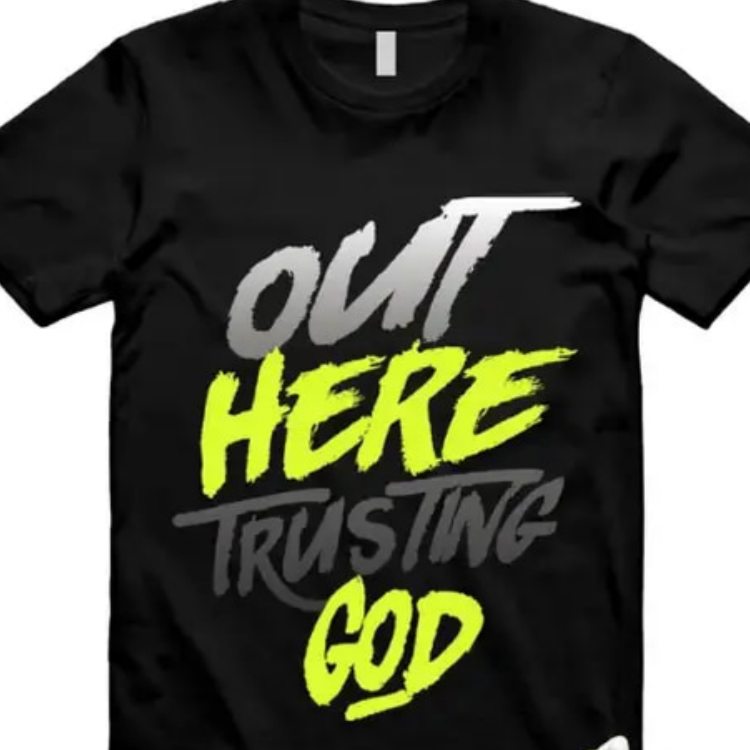
See, when you start printing with Glow in the Dark Plastisol Ink in yellow, you’ve stopped just “making a shirt” and started building something much cooler. People wear these for marathons and they wear them to music festivals. Yellow is easier for the human eye to see in low light even before the “glow” kicks in.
I remember a client in Marseille who wanted shirts for a beach party. We used a standard neon yellow but it looked flat at night. The next year, we switched to our Fabric Screen Printing Ink with the glow yellow formula. The difference was night and day. The shirts looked like they were plugged into a battery.

2. The Real Talk: How the Tech Actually Works
Time for a quick “geek” moment. Most of these glow inks rely on phosphorescent pigments. Think of these pigments as tiny batteries. They soak up light and then they slowly leak it back out.
The problem with cheap ink is the “leaking” happens too fast. You want a Screen Printing Ink that holds the charge. At HONG RUI SHENG, we use a high concentration of strontium aluminate. It’s a fancy name for a crystal that stores light better than the old zinc sulfide stuff.
Comparing Glow Pigments
| Feature | Zinc Sulfide (Old Tech) | Strontium Aluminate (Our Tech) |
| Glow Duration | 15 – 30 minutes | 4 – 10 hours |
| Brightness | Faint | Vivid & Sharp |
| Durability | Loses power over time | Maintains “charge” for years |
| Cost | Cheap | Premium |
If you want a Wholesale Plastisol Ink that actually performs, you can’t cut corners on the pigment.
3. The Secret Ingredient: The White Underbase
If you print glow yellow directly onto a black shirt, you are going to have a bad time. The dark fabric drinks the light. You need a mirror.
I always tell my team to start with a White Plastisol Ink. This white layer acts as a reflector. It pushes the light back up through the yellow pigment. Without it, your glow will look muddy.
Pro Tip: Use a High Opacity Plastisol Ink for that base. It needs to be smooth. If your white base is rough, your glow will look grainy.
4. How to Print Like a Pro (And Avoid My Mistakes)
I’ve ruined more shirts than I care to admit. Here is what I learned so you don’t have to suffer.
The Mesh Count Mystery
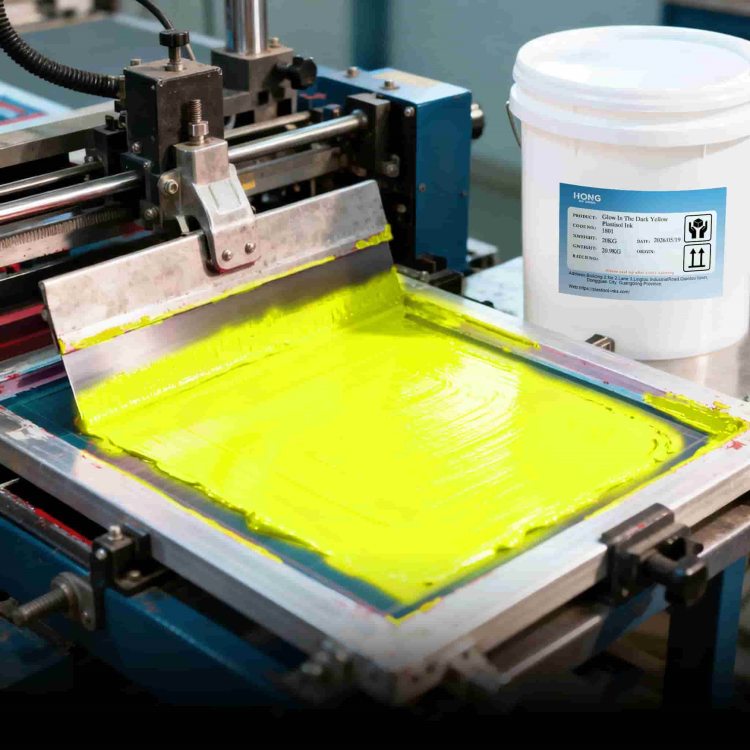
Glow pigments are thick. If you use a 305 mesh, the “glow” will get stuck on the screen. You’ll just be printing the liquid carrier and no pigment. I recommend an 86 or 110 mesh. It lets the big “batteries” pass through onto the fabric.
The Curing Process
Plastisol doesn’t “dry” like water-based ink. It cures. You’ve got to nail that 320°F (160°C) sweet spot. Miss it, and you’ll be watching that expensive ink flake right off in the first wash. I usually grab a Low Cure Plastisol Ink version whenever I’m dealing with poly-blends; it’s the best way to keep the fabric from scorching or turning into a crispy mess.
Squeegee Pressure
Don’t be a caveman. You don’t need to push the ink through the shirt and into the floor. Pick up a medium 70-durometer squeegee. The goal is to keep the ink sitting pretty right on top of the fibers—that way, the light hits it directly and charges it up.
5. Safety First: Keeping the “Nasty Stuff” Out
Look, we’re in an era where parents are (rightfully) obsessed with what’s actually in their kids’ clothing. And they should! Many old inks contained phthalates or PVCs that were bad for the skin and the planet.
Our Phthalate-Free Plastisol Ink ensures you can sell to major retail brands without failing a safety test. It’s also PVC-Free Plastisol Ink in many of our specialty lines. This isn’t just about being “green” but it’s about being a smart business owner. Avoiding lawsuits and returns is always good for the bottom line.
6. The ROI: Turning Glow into Gold
Let’s talk money. Think about it: a basic tee might net you $15. But slap on a high-end glow design? Now you’re looking at an easy $25 or $30 per piece.
The cost of the ink is slightly higher but the perceived value is massive. When you buy from a Plastisol Ink Manufacturer directly, you save on the middleman. You’re locking in a Plastisol Ink Wholesale price, which basically means more profit staying right where it belongs—in your pocket.
The Profit Math (Based on 100 Shirts)
| Item | Standard Yellow Ink | Glow In Dark Yellow |
| Ink Cost | $15 | $45 |
| Labor Time | 2 Hours | 2.5 Hours (that underbase takes a minute) |
| Total Revenue | $1,500 | $2,500 |
| Net Profit | $900 | $1,700 |
The numbers tell the whole story. Specialty inks like our Puff Plastisol Ink or our glow series are how you move from a “budget shop” to a “premium studio.”
7. Fixing the “Glow Gap”: What to do when it stays dark
Look, mistakes happen. If you’re staring at a shirt that won’t light up, check these three culprits first:
Is it “charged”? You can’t test a glow shirt in a bright room. Take it into a closet or use a UV flashlight.
Is the layer thick enough? Actually, if your print layer is too wimpy, you simply don’t have enough pigment particles on the fabric to store a decent charge.
Are you using a Black Plastisol Ink too close to it? Sometimes dark colors around the glow can “cheat” the eye into thinking the glow is dimmer. Try adding a sharp, high-contrast outline—it’ll make the glow really pop.
Got Questions? I’ve Got Answers (FAQ)
1. So, how long does that yellow glow actually stay bright?
Give it a solid blast of sunlight or UV, and our Glow in the Dark Plastisol Ink will keep shining for hours in a pitch-black room. Though, to be fair, those first 30 minutes are when it really screams.
2. Can I mix this with other colors?
Yes, but be careful. If you mix it with a dark Screen Printing Plastisol Ink, you will kill the glow. We recommend mixing only with small amounts of fluorescent colors to change the tint.
3. Does it feel “scratchy” on the skin?
Because of the crystals, it has more texture than standard ink. But here’s a tip: mix in some Stretch Plastisol Ink additive. It’ll keep the print feeling soft and moving naturally with the fabric.
4. Is it going to survive the “hell” of a heavy-duty washing machine?
Absolutely. Provided you’ve cured it properly at 320°F, that design is staying put for 50+ trips through the laundry. We tested this at our Screen Printing Ink Factory using industrial washers.
5. Is it safe for baby clothes?
Absolutely. We formulated our Phthalate-Free Plastisol Ink to pass every major international safety test for clothing with flying colors.
The Bottom Line: Stop Leaving Profits in the Dark
You’ve got a choice. You can keep buying the same old uninspired ink and scraping by with bottom-dollar clients. Or, you can start offering something that makes people say “Wow!”
I’ve seen shops double their revenue just by adding specialty effects. At HONG RUI SHENG, we don’t just sell you a bucket of liquid. We sell you the ability to impress your customers. Whether you need Sportswear Printing Ink or Anti Migration Printing Ink, we have the tech to back you up.
Ready to see the light? Or better yet, ready to see the glow?
Related products
- Special Series
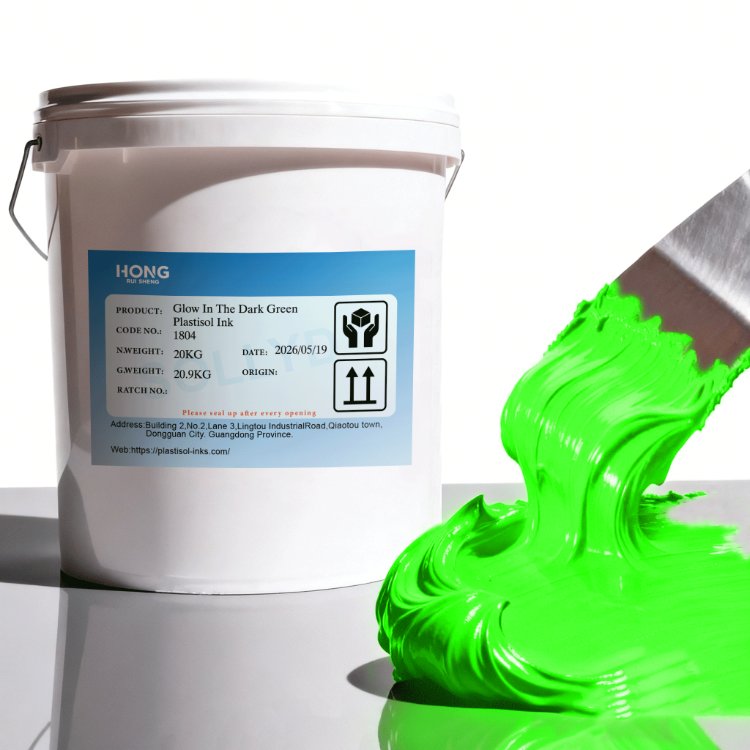
Glow In The Dark Green Plastisol Ink
- Special Series
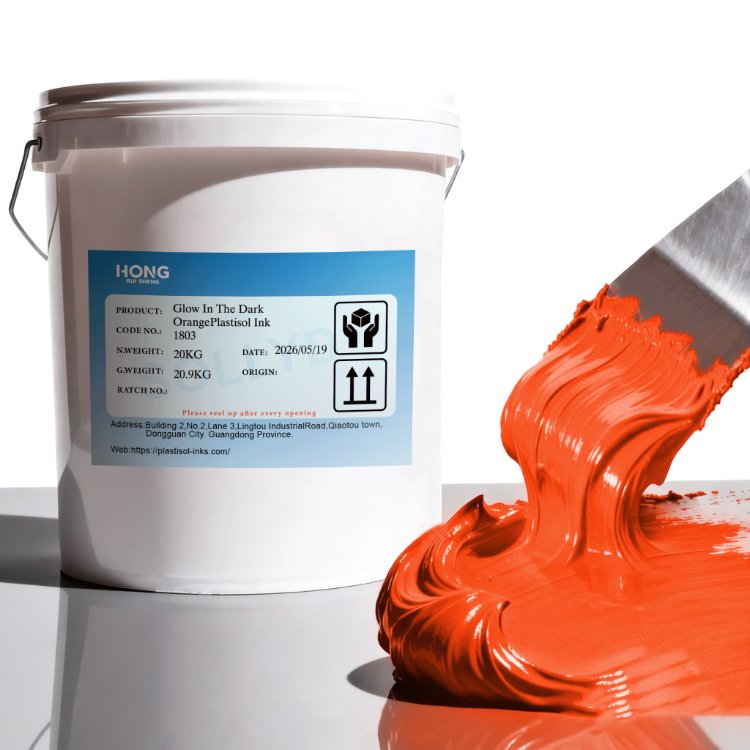
Glow In The Dark Orange Plastisol Ink
- Special Series
Anti-Migration Plastisol ink
- Special Series
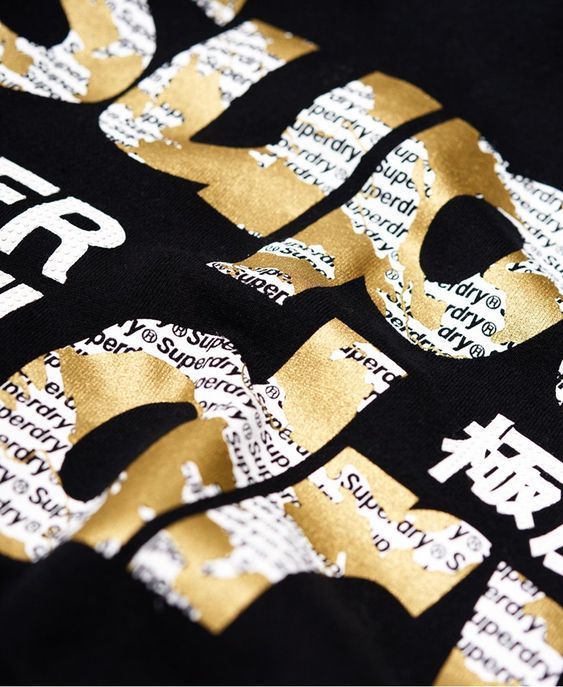
Metallic Gold Screen Printing Ink