
Mündəricat
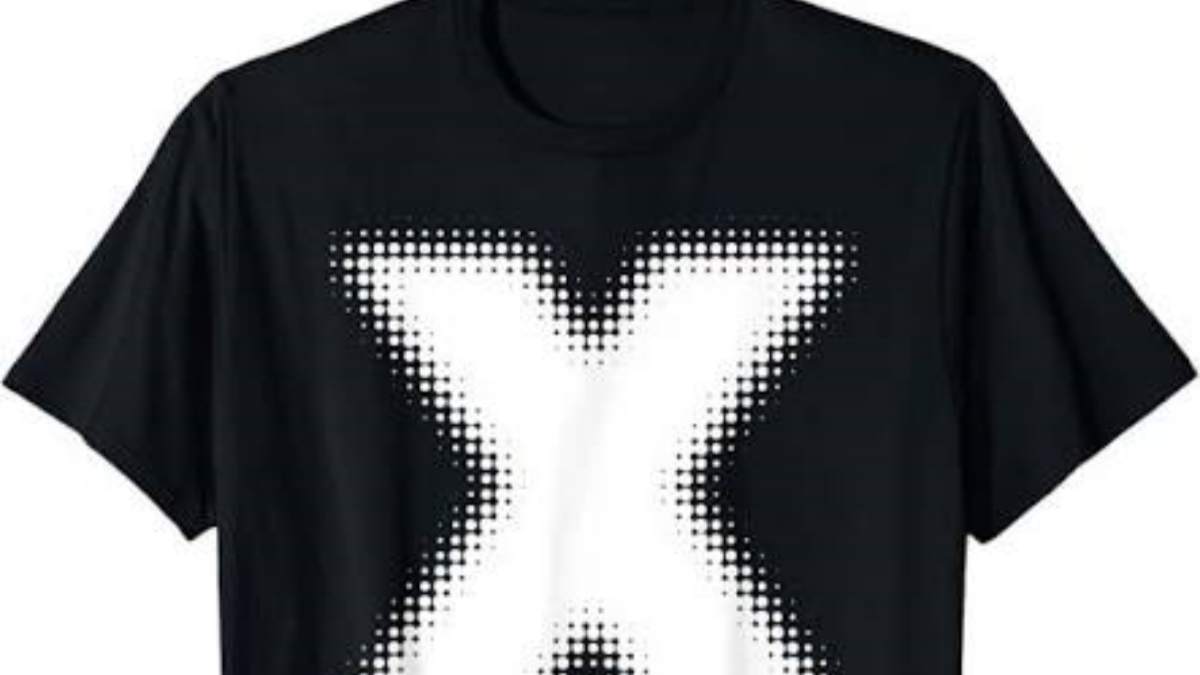
Ever pulled the 5,000th shirt off the press only to find a muddy, blurred mess? In high-volume garment production, that’s your worst nightmare. To nail high-end halftone prints, your ink’s ability to hold dot integrity under pressure is your actual bottom line. Sourcing from the right supplier goes way beyond cost-per-gallon. You need a formula that aggressively fights dot gain, pops on dark fabrics, and survives brutal retail wash tests. The right high-performance ink doesn’t just kill production downtime—it guarantees your last piece looks exactly as crisp as the first.
The Chemistry of the Halftone Dot: Why Viscosity is Everything
Think about it: halftone printing is really just thousands of microscopic dots fighting to stay in place. When that squeegee hits the screen, the ink undergoes “shear thinning”—it has to thin out enough to pass through the mesh. But then, the moment the pressure stops, it needs to snap back to its original structure immediately. In the lab, we call this thixotropy.
Actually, if your ink is a bit too thin or lacks that “memory,” it’ll just bleed into the fabric fibers and blow out your dot gain. For a plastisol mürəkkəb istehsalçısı, the goal is always to create a “short” ink. You want something that breaks away from the screen cleanly without any of that annoying stringing or bleeding.
Understanding Dot Gain in Bulk Production
Dot gain is essentially that annoying percentage increase between your digital file and what actually ends up on the shirt. While some of it is just the nature of the fabric, your ink is the biggest factor you can actually control. If you lose control of your mid-tones (the 40%–60% range), your photographic details are going to disappear.
| Amil | Impact on Halftone Quality | Recommended Specification |
| Mürəkkəbin özlülüyü | Determines flow and “bleed” | 150,000 – 250,000 cPs |
| Thixotropy | How fast the ink “sets” after printing | High Recovery Rate |
| Pigment Particle Size | Prevents mesh clogging | < 5 Microns |
| Surface Tension | Affects dot shape on the fiber | Moderate to High |
Best Practice 1: The Screen Tension Factor
Even the best screen printing plastisol ink can’t save a print on a loose screen. You really need to keep your tension at 25 Newtons (N/cm) minimum. If the screen is saggy, you’ll end up using more squeegee pressure, which just mashes the ink into the fabric and ruins your halftones no matter how good the ink is.
Balancing High Opacity with a “Soft Hand” Feel
Let’s be honest: printing halftones on dark polyester or cotton blends is a headache. In the old days, getting a print to look bright meant dumping a thick layer of ink on the shirt, but customers today hate that heavy “plastic” feel.
Modern yüksək qeyri-şəffaflıqlı plastisol mürəkkəbi changes the game by using much higher pigment concentrations and better resins. This lets you use a thinner ink deposit that still completely hides the garment color underneath. In halftone work, this is crucial because you need even those tiny 5% highlight dots to stand out clearly against a dark base.
The Role of the Underbase
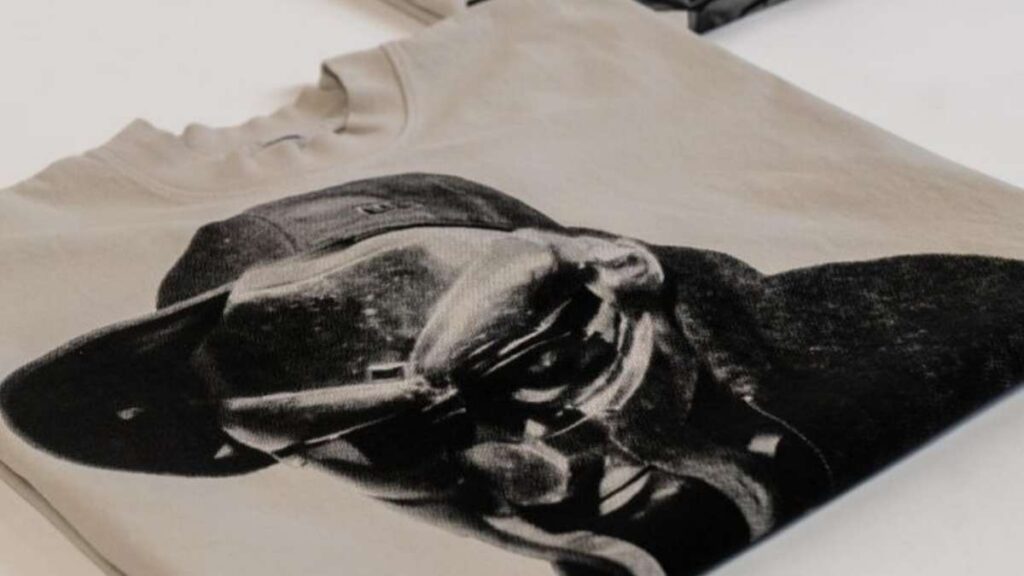
When you’re running simulated process or CMYK, the ağ plastizol mürəkkəbi you use for your underbase is your foundation. A solid underbase white has to do two things well:
- Flash Fast: So the next colors don’t pick up wet white ink.
- Stay Smooth: If your white base has an “orange peel” texture, every halftone dot you print on top of it is going to look distorted.
Actually, the relationship between your mesh and your LPI is key, but it’s the ink’s ability to clear that mesh that actually dictates how fast your press can run.
Curing Control and Wash Fastness: The Long-Term Quality Metric
For factories exporting goods overseas, wash fastness isn’t a “nice-to-have”—it’s a contractual obligation. Halftones are extra tricky here because the dots are so small. They don’t have much surface area to grab onto the fabric, making them the first thing to wash away if something goes wrong.
The Science of Polymerization
You have to remember that plastisol ink doesn’t actually “dry”—it cures through polymerization. When the ink hits its target (usually around 320°F / 160°C), the PVC particles swell up and soak up the plasticizer to form a tough, flexible film. If your dryer is off and the ink under-cures, those tiny dots will just flake off after a couple of trips through the laundry.
Production Stability in High-Volume Runs
In a real factory where machines are running 24/7, you’re going to have temperature swings in your dryer. This is exactly why a lot of shops are switching to aşağı bərkiyən plastisol mürəkkəbi. These inks finish the job at lower temps (around 270°F / 132°C), which gives you a nice “safety buffer.” Even if your dryer temp dips, your halftones stay locked onto the fabric.
Best Practice 2: The “Stretch Test” and Cross-Linking
For sportswear, those halftones need to move. Using a dedicated stretch plastisol ink ensures the dots don’t snap when the fabric is pulled. I always recommend a 5-cycle wash test and a 200% stretch test on the first batch of any big run just to be safe.
Evaluating Supplier Consistency: A Buyer’s Checklist
When you’re sourcing from a wholesale plastisol ink supplier, the price per kilo is only one part of the story. You have to consider the “hidden” costs of misprints and slow production.
- Batch-to-Batch Consistency: Does the viscosity stay the same order after order? Even a 10% shift can completely ruin a halftone setup you’ve already dialed in.
- Pigment Loading: Higher pigment levels mean you can use finer mesh (305+) and still get vibrant colors without clogging.
- Safety Compliance: Most big brands now demand phthalate-free and lead-free certificates. Always make sure your supplier has current OEKO-TEX or REACH paperwork.
- Shelf Stability: Good ink shouldn’t separate or turn into a rock in the bucket. This is especially true for specialty stuff like glow in the dark plastisol ink or metallic gold screen printing ink.
How We Solve Halftone Challenges at HONG RUI SHENG
At HONG RUI SHENG, we look at ink as a tool for efficiency. We’ve designed our ekran çap plastisol mürəkkəbi line specifically to handle the headaches of high-speed halftone work.
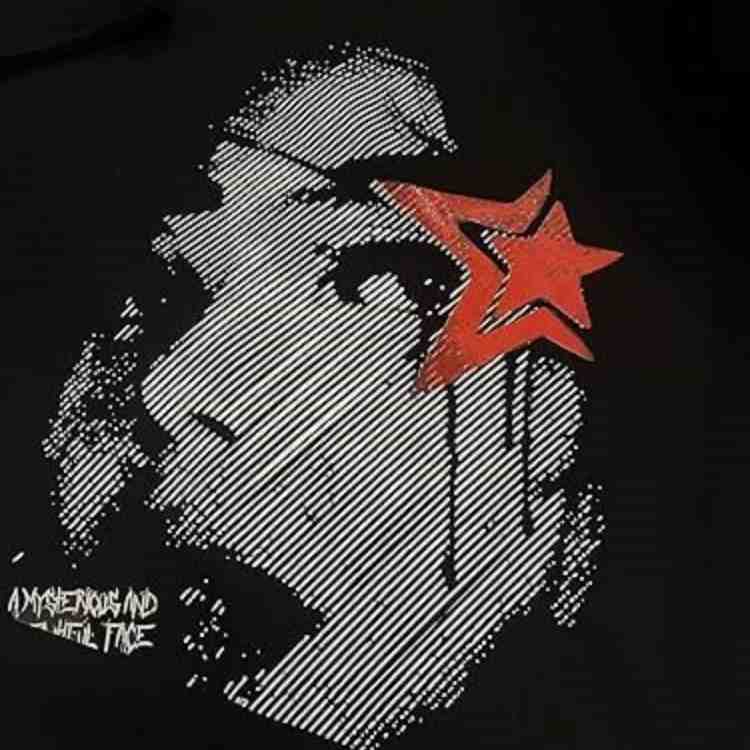
Our formulas use a specialized resin that gives you a sharp “snap-off” during the print. This keeps your dot gain low in the mid-tones, so you can get photographic quality even on a fast automatic press. If you’re working with tricky synthetics, our anti migration printing ink keeps the fabric dye from bleeding into your light-colored halftones.
By getting the molecular structure right, we provide fabric screen printing ink that hits the opacity you need for dark shirts while keeping that soft, breathable feel that high-end brands are looking for.
FAQ: High-Value Buyer Concerns
Q1. How does your ink handle “wet-on-wet” halftone printing without buildup?
We’ve dialed in the tack level so the ink doesn’t want to cling to the back of the next screen. This lets you run 6 or 8 colors continuously without having to stop the press to wipe screens—which is a huge deal for keeping your production numbers up.
Q2. What is the maximum LPI (Lines Per Inch) your ink can support?
If you’re using a 305 to 355 mesh, our premium series can easily handle up to 65 LPI. We grind our pigments fine enough that they won’t clog your mesh, even if the factory floor gets a bit warm during a long shift.
Q3. Do you provide Phthalate-Free and PVC-Free options for global compliance?
Absolutely. We have a full range of phthalate-free plastisol ink and pvc-free plastisol ink that meet all the major international retail and “Green” standards.
Q4. How does the ink’s shelf life affect bulk purchasing?
Our inks are very stable. You’re looking at a shelf life of over 24 months if you store them right. Unlike water-based stuff, these won’t dry out in the screen or the bucket, so you’re not throwing money away on wasted ink.
Q5. Can your ink be used for both manual and automatic presses?
While we’ve optimized the ink for the fast shearing of an automatic, the consistency is creamy enough that it’s still easy to pull by hand. It gives you a lot of flexibility if you’re running different types of lines.