Blog

Your blog category

Why Plastisol Ink Feels Too Thick (And How to Adjust Viscosity)

Black Plastisol Ink for Textiles: How to Maintain Color Consistency at Scale

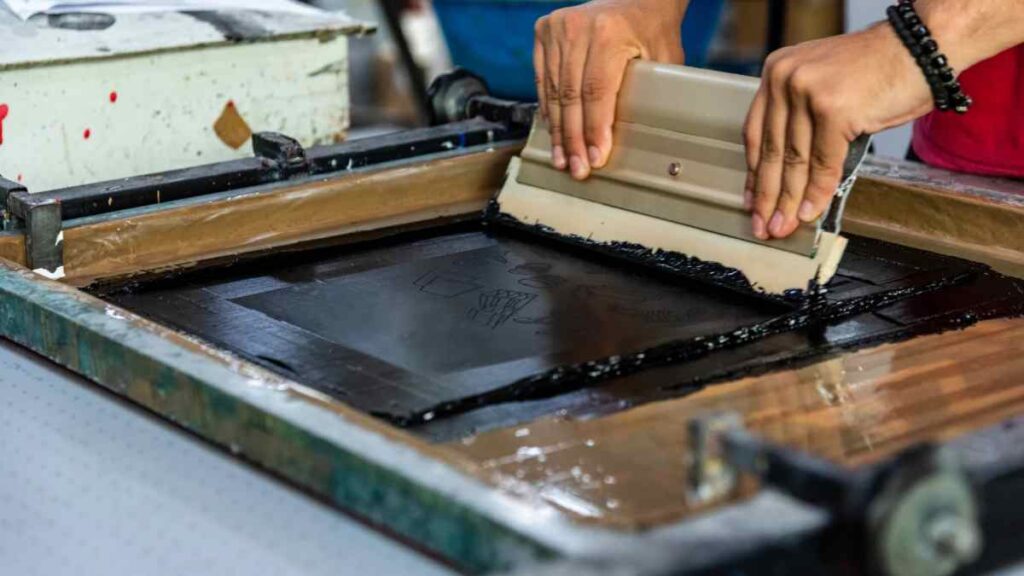
When plastisol ink sits in a cool warehouse, it builds up a chemical “structure” that makes it feel like thick jelly. If you toss that straight onto a screen, the first 50 prints will be light and patchy. As the squeegee friction warms it up, the ink suddenly thins out, your “dot gain” explodes, and suddenly your fine lines are bleeding.

Black Plastisol Ink for Textiles: How to Maintain Color Consistency at Scale Read More »

How to Reduce Ink Build-Up When Using Plastisol Ink on Automatic Press

Stop Plastisol Ink Build-Up on Your Automatic Press Now

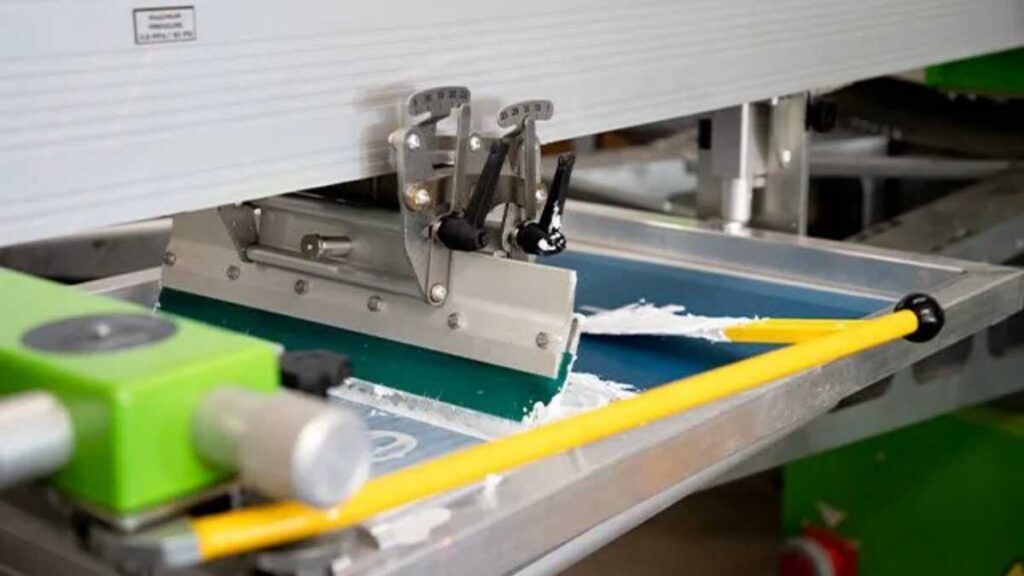
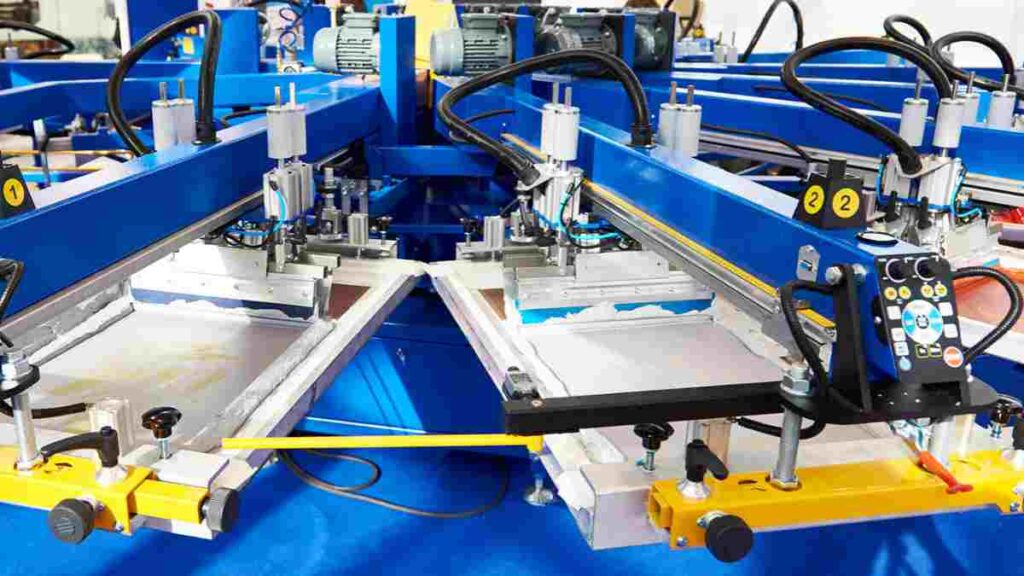
If you’re tired of plastisol ink sticking to the back of your screens, it’s time to check your screen tension and your off-contact right now. It’s usually that simple. Adjusting these settings kills that annoying “picking” effect before it ruins your designs. When you get this right, you can finally run your automatic press at full speed yet your colors will stay sharp all day long.

Stop Plastisol Ink Build-Up on Your Automatic Press Now Read More »

Why Plastisol Ink Feels Too Thick (And How to Adjust Viscosity)

Why Plastisol Ink Feels Too Thick (And How to Adjust Viscosity)

Your ink probably just needs a good workout. Most plastisol is thixotropic and that means it gets thick when it sits still but gets creamy when you move it. We recommend you stir the ink for at least 60 seconds before you add any chemicals. If it is still like a brick after stirring then you should add 1-3% curable reducer by weight. This keeps your colors bright and it makes your prints feel like clouds on a t-shirt.

Why Plastisol Ink Feels Too Thick (And How to Adjust Viscosity) Read More »

Troubleshooting Plastisol Ink Ghosting in High-Speed Production

Soft Hand Feel Plastisol Ink: Best Options for Premium Clothing Brands

Achieving a soft hand feel with plastisol ink is the “holy grail” for premium clothing brands. For years, designers avoided plastisol because of its thick, “plastic-like” texture. But at HONG RUI SHENG, we’ve mastered the chemistry to give you the best of both worlds: the vibrant durability of plastisol with the buttery-soft touch usually reserved

Soft Hand Feel Plastisol Ink: Best Options for Premium Clothing Brands Read More »

Custom Apparel Plastisol Ink: Buyer’s Guide for Small Brands & Factories

High Opacity Plastisol Ink for Dark Fabrics: What Bulk Buyers Should Know

As the solution specialists at HONG RUI SHENG, we’re cutting straight to the chase: High opacity plastisol ink is the only way to maintain production speed while slashing your per-print costs. By switching to a high-pigment formula, you eliminate extra flash-curing cycles, saving at least 30% on labor and energy while achieving that “pop” customers demand on dark substrates.

High Opacity Plastisol Ink for Dark Fabrics: What Bulk Buyers Should Know Read More »

Screen Printing Plastisol Ink vs Water-Based: The Pro Guide for Mass Production

Screen Printing Plastisol Ink vs Water-Based: The Pro Guide for Mass Production

While water-based inks are trendy for that “soft feel,” they are notoriously difficult to manage on an automatic press. At HONG RUI SHENG, we’ve seen that switching to a high-quality plastisol workflow increases press uptime by roughly 15-20% because the ink doesn’t dry in the screens. You get consistent opacity, faster curing, and a significantly lower rejection rate.

Screen Printing Plastisol Ink vs Water-Based: The Pro Guide for Mass Production Read More »

EN_GB