Blog

Your blog category

Phthalate-Free Plastisol Ink: Compliance Checklist for EU & US Importers

Phthalate-Free Plastisol Ink: Compliance Checklist for EU & US Importers

As a Solutions Specialist here at HONG RUI SHENG, I’ve spent years helping importers navigate the “grey areas” of textile chemicals. But in 2026, those grey areas have turned into hard lines. Whether it’s the new CPSC eFiling mandate in the US or the expanded REACH Omnibus VIII restrictions in Europe, the regulatory floor is moving faster than most factories can keep up with.

Phthalate-Free Plastisol Ink: Compliance Checklist for EU & US Importers Read More »

How to Improve Wash Fastness of Plastisol Ink in Commercial Orders

How to Improve Wash Fastness of Plastisol Ink in Commercial Orders

If your prints fall off the shirt after one wash you are losing money and your brand reputation is at risk. The simple truth is that most commercial orders fail because the ink never reached its melting point. To fix this you must ensure the entire ink layer hits 320°F (160℃) for at least 15 seconds. This creates a permanent bond and it keeps your customers coming back for more.

How to Improve Wash Fastness of Plastisol Ink in Commercial Orders Read More »

Why Plastisol Ink Feels Too Thick (And How to Adjust Viscosity)

Black Plastisol Ink for Textiles: How to Maintain Color Consistency at Scale

When plastisol ink sits in a cool warehouse, it builds up a chemical “structure” that makes it feel like thick jelly. If you toss that straight onto a screen, the first 50 prints will be light and patchy. As the squeegee friction warms it up, the ink suddenly thins out, your “dot gain” explodes, and suddenly your fine lines are bleeding.

Black Plastisol Ink for Textiles: How to Maintain Color Consistency at Scale Read More »

How to Reduce Ink Build-Up When Using Plastisol Ink on Automatic Press

Stop Plastisol Ink Build-Up on Your Automatic Press Now

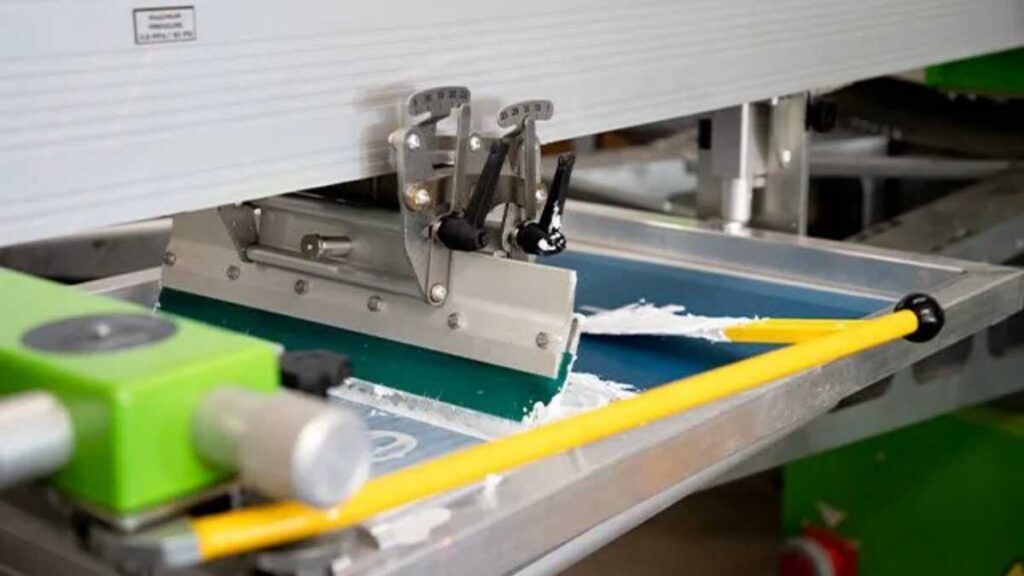
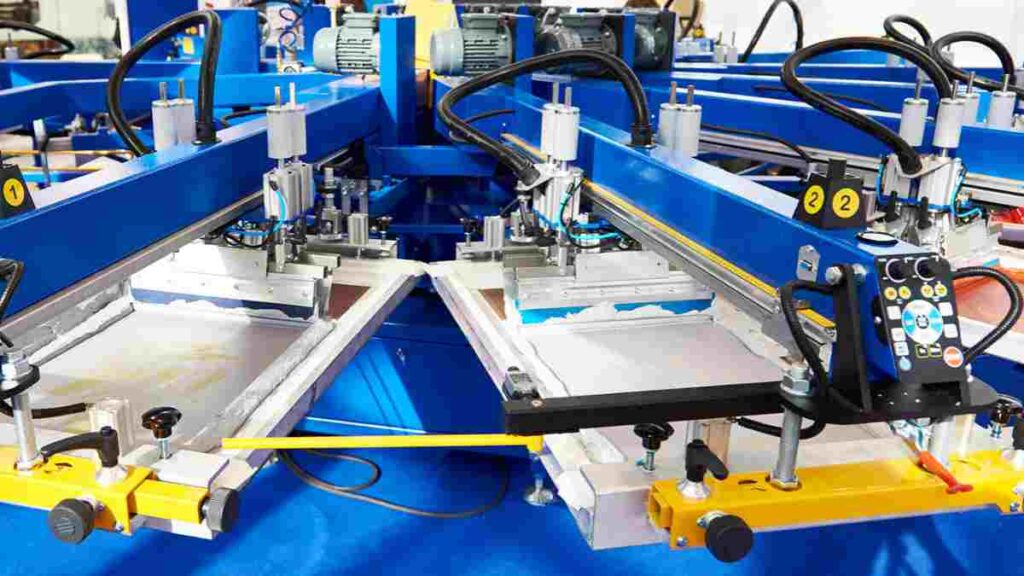
If you’re tired of plastisol ink sticking to the back of your screens, it’s time to check your screen tension and your off-contact right now. It’s usually that simple. Adjusting these settings kills that annoying “picking” effect before it ruins your designs. When you get this right, you can finally run your automatic press at full speed yet your colors will stay sharp all day long.

Stop Plastisol Ink Build-Up on Your Automatic Press Now Read More »

Why Plastisol Ink Feels Too Thick (And How to Adjust Viscosity)

Why Plastisol Ink Feels Too Thick (And How to Adjust Viscosity)

Your ink probably just needs a good workout. Most plastisol is thixotropic and that means it gets thick when it sits still but gets creamy when you move it. We recommend you stir the ink for at least 60 seconds before you add any chemicals. If it is still like a brick after stirring then you should add 1-3% curable reducer by weight. This keeps your colors bright and it makes your prints feel like clouds on a t-shirt.

Why Plastisol Ink Feels Too Thick (And How to Adjust Viscosity) Read More »

EN_AU