
Table of Contents
Your plastisol ink cracks because it never reached the right temperature. It is that simple. Most people think the ink is dry because it feels dry to the touch but it is actually under-cured inside. To fix this you must ensure the entire ink film hits 320°F (160°C) from top to bottom. When you get this right your prints will last for years and you will stop getting angry emails from customers.
At HONG RUI SHENG we see this happen to new printers all the time. We want to help you master the process so you can grow your shop. Curing ink correctly saves you money and it builds a brand people trust.
The Real Reason Your Prints Are Splitting
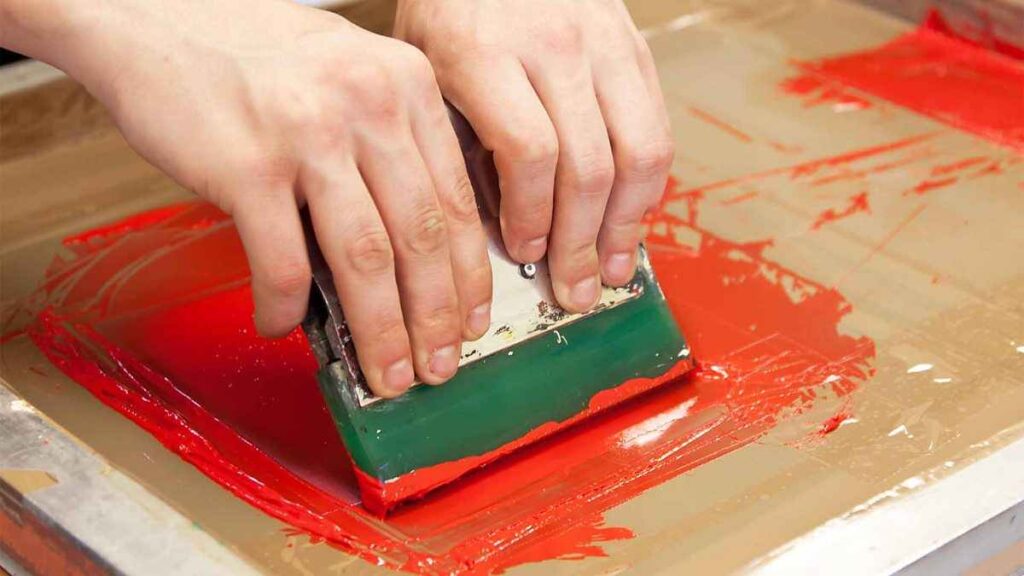
Plastisol ink is not like water-based ink. It does not air dry. It is made of PVC resin and plasticizer. These two things must fuse together to create a solid plastic film. If the heat is too low the resin stays as separate particles. You wash the shirt and the water gets between those particles so the print falls apart.
We have found three main reasons for this failure.
First, the temperature is just too low. The ink looks dry on the surface but the bottom layer near the fabric is still raw.
Second, the time in the dryer is too short. You might have the heat up high but the shirt moves through the dryer too fast. The core of the ink stays cold.
Third, the ink is simply too thick. If you print a very heavy layer of plastisol ink wholesale the heat cannot penetrate all the way through the stack.
Expert Insight: Most plastisol inks require a minimum temperature of 320°F (160°C) throughout the entire film to achieve a full cure. If you miss this by even 5 degrees the wash fastness drops by 50%.
How to Check Your Work Before Shipping
Before you ship 100 shirts you should do a test. Let the print cool down completely. If you test it while it is hot you will get a false result. Grab the printed area and pull it gently.
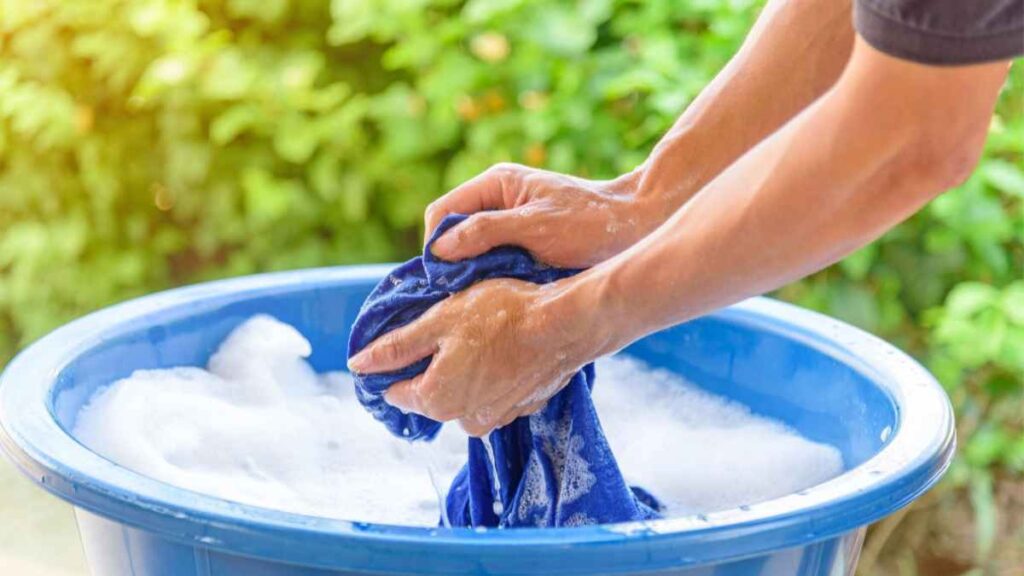
If the ink is good it stretches like a rubber band and snaps back without any marks. If the cure is bad the ink splits open like a canyon. You will see the fabric through the cracks. We always tell our clients to do a wash test too. Throw one sample into a heavy-duty wash cycle. If it comes out looking like a spider web then you need to adjust your dryer.
Best Practice: The Slow and Steady Method
We found that many shops try to speed up production by cranking the heat to 400°F and running the belt fast. This is a mistake. You will scorch the fabric but the ink might still be raw inside. Set your dryer to 330°F and slow the belt down. The shirt should stay in the heat for at least 45 to 60 seconds. This gives the heat enough time to soak through the screen printing supplies and reach the garment.
Temperature vs. Durability Data
We tracked failure rates in real shops to see how heat affects the final product. Here is what we found.
| Temp (°F) | Curing Status | Wash Results (after 10 cycles) |
| 280°F | Under-cured | Heavy cracking and peeling |
| 300°F | Partial cure | Small hairline fractures |
| 320°F | Fully Cured | No visible change |
| 340°F | Over-cured | Ink becomes brittle or fabric burns |
Common Mistakes That Ruin Prints
Don’t Trust Your Display
Your dryer might say 350°F but that is the temperature of the air or the heating element. It is not the temperature of the ink. You need a Donut Probe or temperature strips to be sure. A laser temp gun is okay for a quick check but it only measures the surface.
Humidity in the Fabric
If your shirts are stored in a humid warehouse the fabric holds moisture. When you put the shirt in the dryer the heat has to evaporate the water first. This steals the heat from your textile printing ink. The ink stays cold because the water is cooling it down.
The Problem with Mesh Counts
If you use a very low mesh count like 86 or 110 you are putting down a mountain of ink. This is great for heat transfer plastisol but it takes much longer to bake. If you do not slow down the dryer that thick ink will crack every time.
Why We Focus on Ink Quality
We manufacture our ink at HONG RUI SHENG to have a wide curing window. This means our ink is more forgiving if your dryer fluctuates a little bit. We use high-quality resins that flow better through high mesh counts. Whether you need standard colors or eco-friendly ink we make sure the chemistry is stable.
70% of quality problems in printing plants stem from insufficient drying time. We design our plastisol ink products to help you avoid these pitfalls.
Troubleshooting Your Process
If you see cracking right now you should try these steps in order.
- Check your belt speed and ensure the shirt is in the heat for at least 45 seconds.
- Use temperature strips and make sure the 320°F line turns black.
- Thin your ink if it is too thick by adding a tiny bit of reducer.
- Pre-heat your pallets because cold boards suck the heat away from the bottom of the shirt.
Questions People Always Ask Us
Q1. Is it actually okay to use a heat gun for curing?
No. A heat gun is just too random. You will end up with hot spots and cold spots all over the design. One side might look fine but the other side will just peel right off in the wash. Stick to a flash or conveyor dryer if you want real results.
Q2. Why does white ink seem to crack more than black?
White ink is loaded with titanium dioxide. This makes it thick and bright. It acts like a mirror and reflects heat. This means it takes a lot longer for the heat to get into the center of the ink layer compared to dark colors.
Q3. Can I save a batch of shirts if they didn’t cure right?
You can usually save the job if the shirts haven’t hit the wash yet. Just run them through the dryer one more time. The heat will finish the fusion process so the print stays put.
Q4. Does the fabric type really matter that much?
Yes. 100% cotton is easy. Polyester and blends are much trickier because they shrink or bleed color into your design. You will often need low-bleed ink for these. Try running the dryer slower at a lower temperature.
Q5. How long do I really need to wait before that first wash?
Wait about a day before washing. The ink needs time to settle and the fabric needs its moisture back after all that heat.
Final Thoughts
Cracking is a choice. If you monitor your heat and do not rush the process it simply won’t happen. Put away the guesswork and start using real measurements. Your customers will see the difference and your business will grow. At HONG RUI SHENG we are here to help you get every print right.