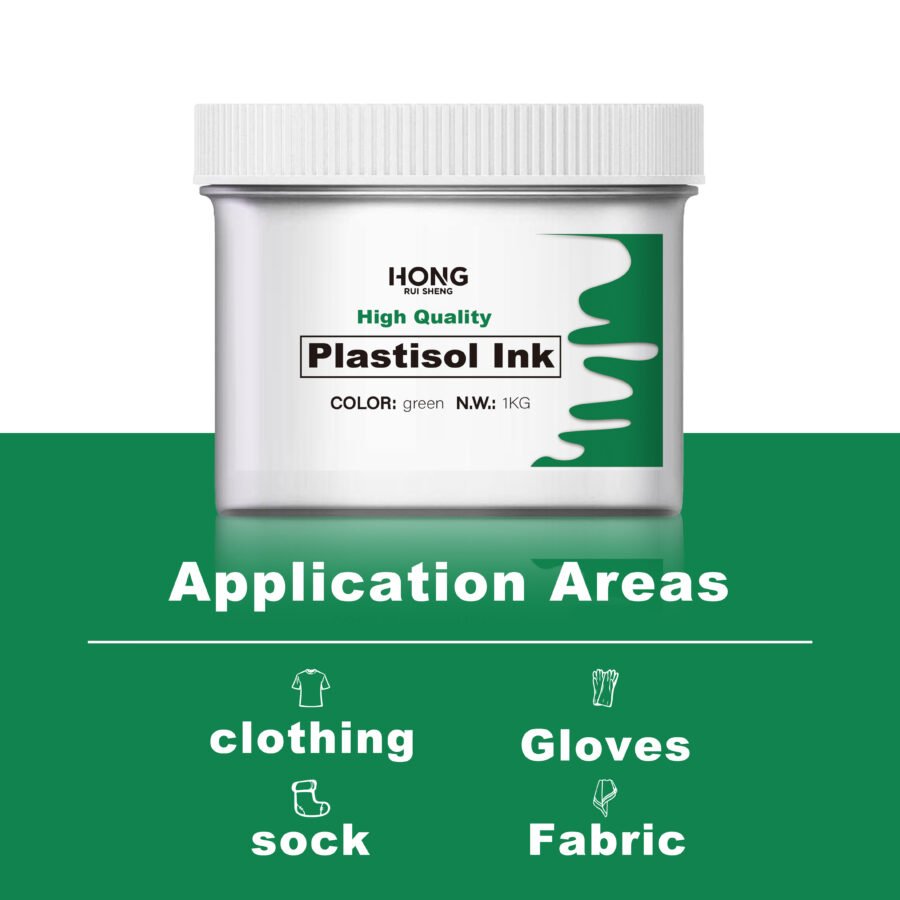
Plastisol Ink
As a leading screen printing plastisol ink manufacturer, we can provide high-quality plastisol inks and customize solutions according to your products.
Product Categories
Product tags
Plastisol Ink
- Plastisol Ink—HF Series
Screen Printing Golden Yellow Plastisol Ink — HF-1109
- Plastisol Ink—HF Series
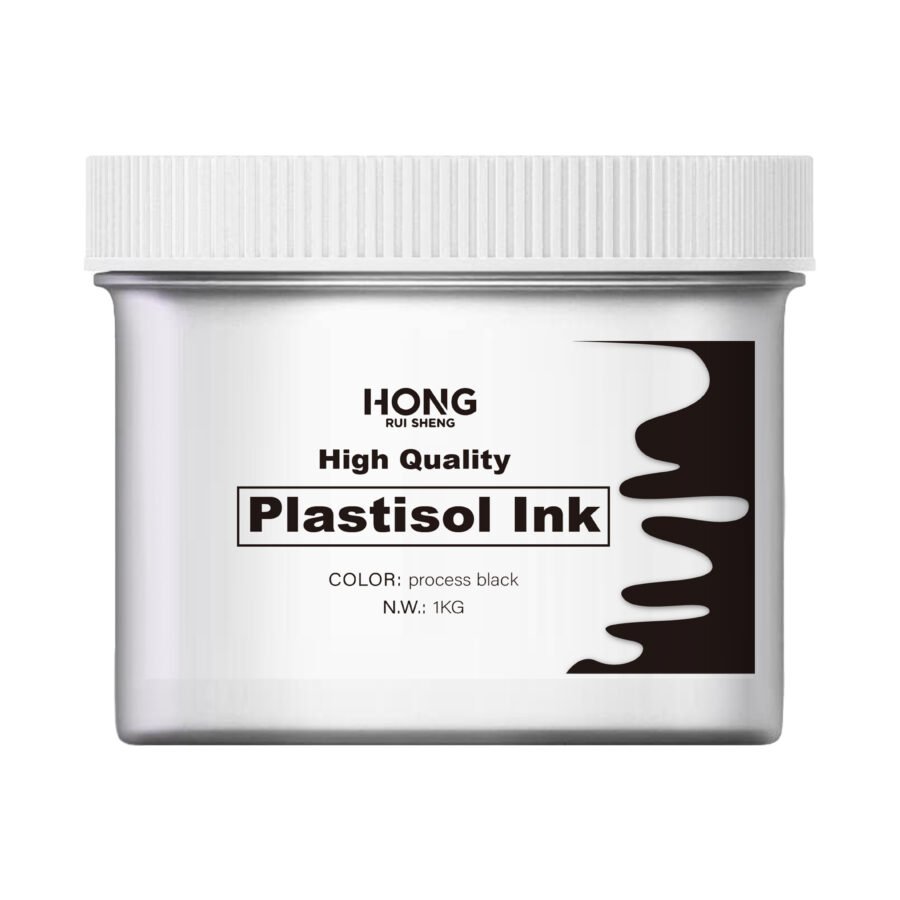
Screen Printing Process Black Plastisol Ink — HF-1800K
- Plastisol Ink—CHJT Series
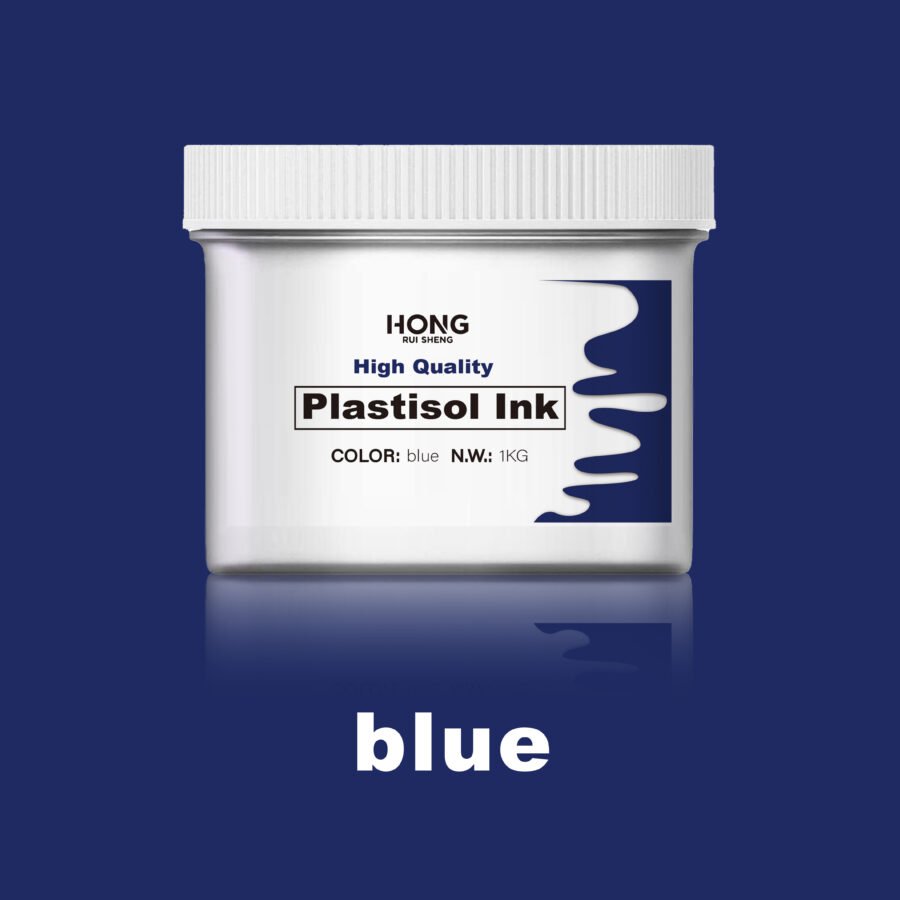
Screen Printing Blue Plastisol Ink — CHJT-1402
- Plastisol Ink—SDLA Series
Screen Printing Golden Yellow Plastisol Ink — SDLA-1107
- Plastisol Ink—HF Series
Screen Printing Bright Blue Plastisol Ink — HF-1404
- Plastisol Ink—CHJT Series
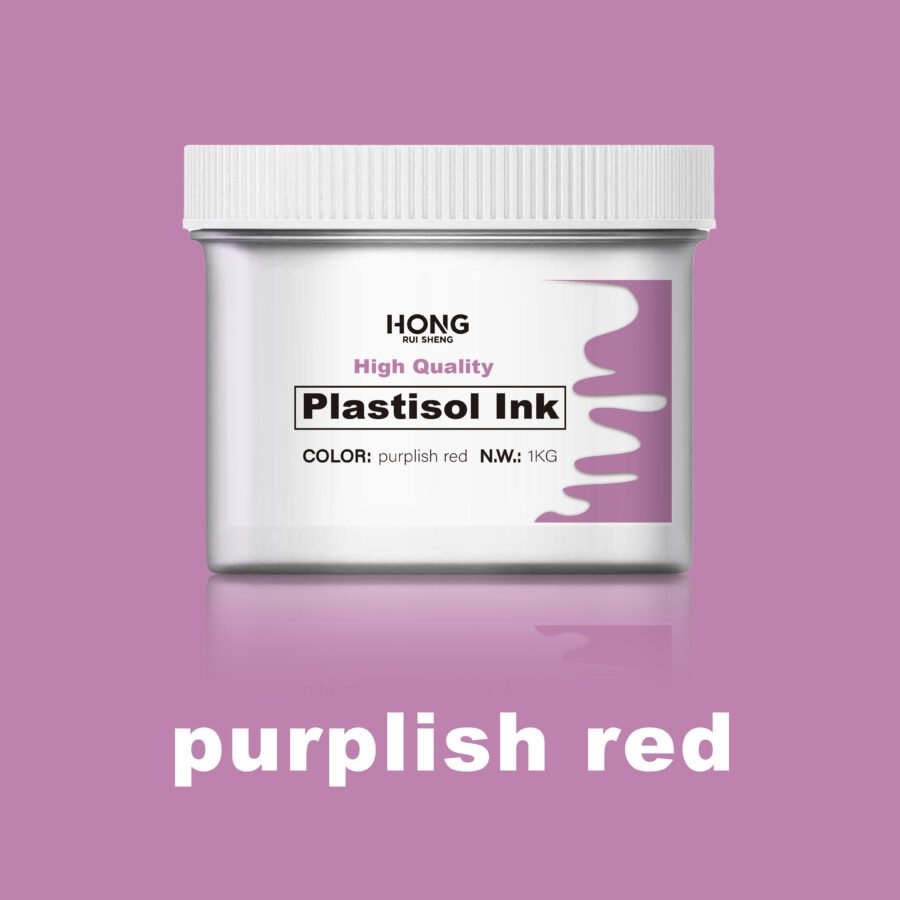
Screen Printing Purplish Red Plastisol Ink —CHJT-1202
- Plastisol Ink—SDLA Series
Screen Printing Process Yellow Plastisol Ink — SDLA-1800Y
- Plastisol Ink—SDLA Series
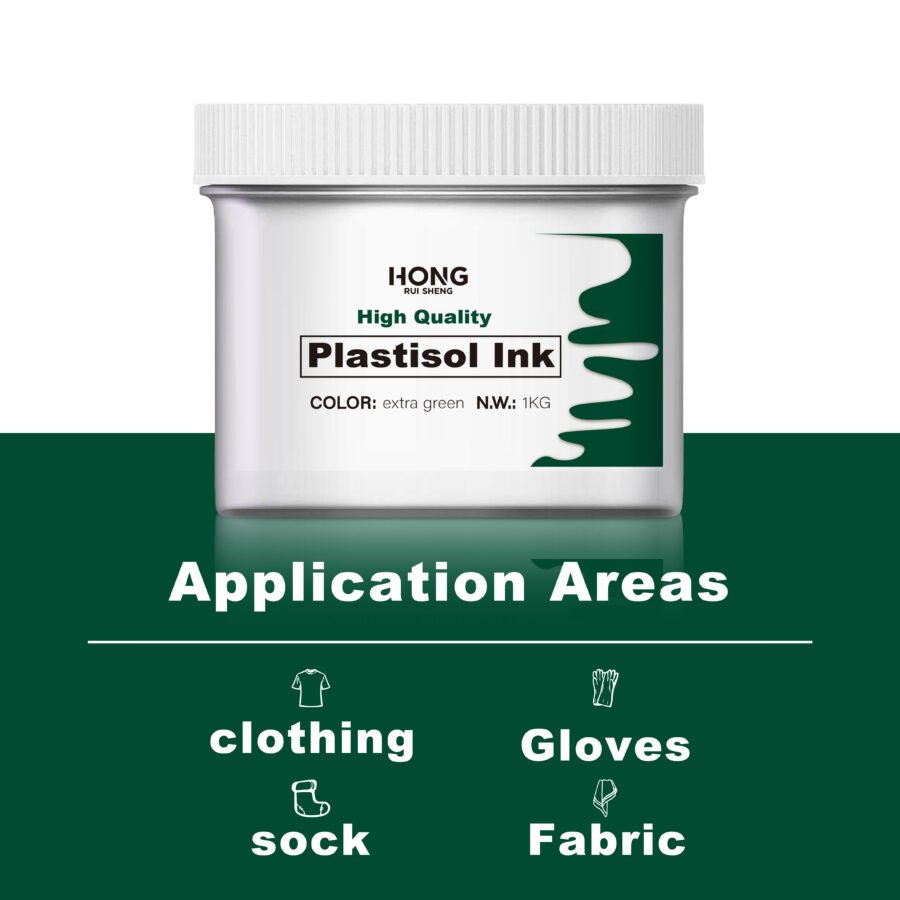
Screen Printing Green Plastisol Ink — SDLA-1502
- Plastisol Ink—HF Series
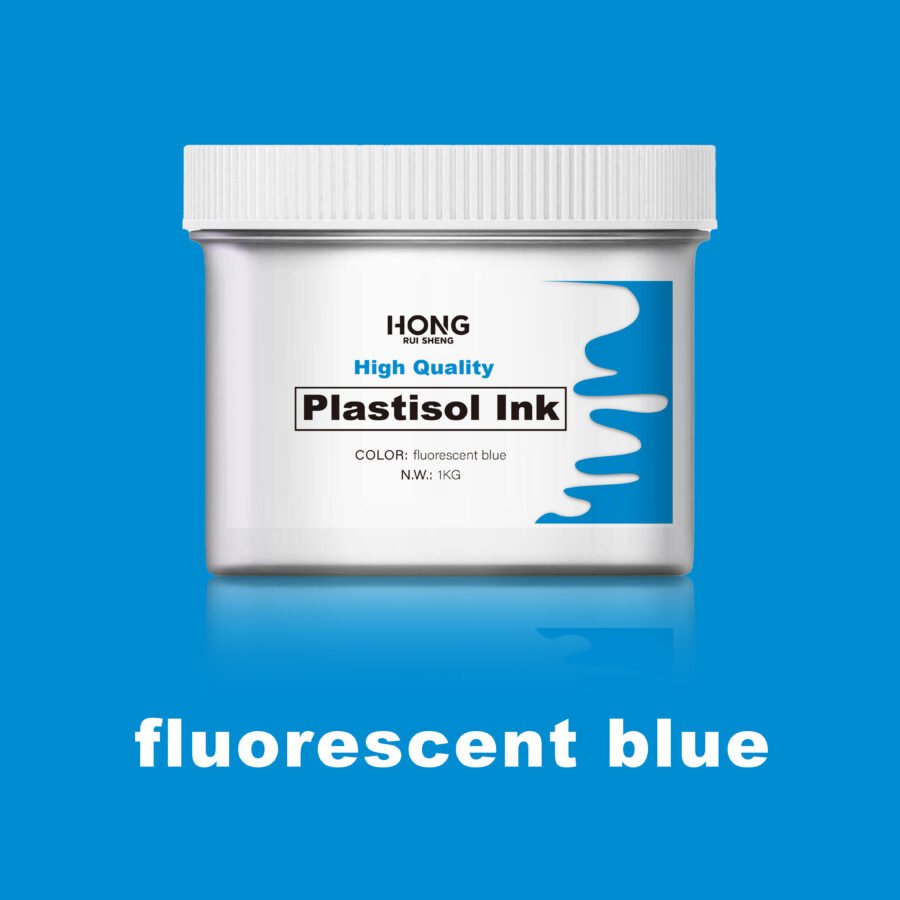
Screen Printing Fluorescent Blue Plastisol Ink — HF-1805
- Plastisol Ink—CHJT Series
Screen Printing Orange Red Plastisol Ink — CHJT-1303
- Plastisol Ink—SDLA Series
Screen Printing Fluorescent Blue Plastisol Ink — SDLA-1805
- Plastisol Ink—HF Series
Screen Printing Rose Red Plastisol Ink — HF-1201
- Plastisol Ink—HF Series
Screen Printing Process Yellow Plastisol Ink — HF-1800Y
- Plastisol Ink—CHJT Series
Screen Printing Blue Plastisol Ink — CHJT-1401
- Plastisol Ink—SDLA Series
Screen Printing Yellow Plastisol Ink — SDLA-1105
Q1: What is plastisol ink and why is it the standard for commercial screen printing?
A: Plastisol ink is a solid, PVC-based (or advanced PVC-free) polymer ink. It is industrial standard because it does not evaporate or dry at room temperature. This prevents screen clogging, ensuring zero downtime and absolute consistency on high-speed automatic presses.
Q2: Plastisol vs. water-based ink for mass production—what’s the difference?
A: Plastisol is way easier for big runs. It sits on top of the fabric so colors look super bright, and it never dries out on the press. Water-based ink feels much softer, but it dries in the screens way so fast, which means you're constantly stopping the machines to clean them.
Q3: Which holds up better in the wash?
A: If it’s cured right, plastisol wins every time. It easily survives 30 to 50+ heavy washes without fading or cracking. If you're doing big commercial orders where quality can't fail, plastisol is the safest bet.
Q4: What is the correct curing temperature for plastisol ink?
A: Standard plastisol inks require a curing temperature of 320°F (160°C) to fully polymerize. However, industrial print shops increasingly use Low-Cure plastisol formulations that cure at 270°F-280°F (132°C-138°C) to save energy and protect heat-sensitive synthetic fabrics.
Q5: How do I know if my plastisol ink is fully cured?
A: First is the stretch test—just pull the print. If the ink cracks and doesn't snap back, it need more time in the dryer. Second is the wash test, which is the ultimate proof; just throw a sample through a couple of heavy wash cycles. And third, use a temp gun or thermo-labels right at the end of the dryer conveyor to make sure the ink actually hit its target temperature.
Q6: What causes dye migration and how can print prevent it?
A: Dye migration occurs when polyester garment dyes sublimate under heat and bleed into the printed ink layer (e.g., turning white ink pink). To prevent this, use Low-Bleed / Low-Cure plastisol inks to keep dryer temperatures down, and print grey/black Dye Blocker (barrier base) beneath the top colors.
Q7: Why is my plastisol print cracking or peeling?
A: It almost always means the ink didn't cure all the way through. If you're printing a thick layer, the heat might look fine on top but never actually hit the bottom layer touching the fabric. To fix it, just slow down your dryer belt to give it more time under the heat, or switch to a low-cure ink.
Q8: How do you get super bright colors like neons or hot reds to pop on dark shirts?
A: You’ve got to lay down a white underbase first. Just print a high-opacity white, flash it, and then hit it with your top colors. If you don't, the dark fabric will just swallow up the ink and ruin the color. That white base keeps the dark shirt from bleeding through so your Pantones actually stay true.
Q9: How should industrial print shops use plastisol ink additives?
A: Additives modify ink properties for specific jobs without changing the base formula. Common uses include viscosity reducers (for better flow on auto-presses), puff additives (for 3D expansion), and soft-hand bases. Always strictly track mixing ratios (usually under 5-10%) to prevent loss of opacity and wash fastness.
Q10: Why are premium opaque white and black plastisol inks essential for factories?
A: White and black are the highest-volume consumables. Premium high-opacity formulations deliver complete coverage in a single stroke. This eliminates the need for double-stroking on automatic presses, directly increasing prints-per-hour and significantly reducing labor and machine costs.
Q11: How long do plastisol heat transfers last?
A: When properly gelled during printing and correctly heat-pressed, plastisol heat transfers offer the exact same durability as direct screen prints. They are ideal for large distributors, allowing for bulk advance printing, easy inventory storage, and rapid on-demand fulfillment.
Q12: Best way to store bulk plastisol and clean screens?
A: It won't dry out in the air, so just slap the lids back on the buckets and leave them at room temp. They'll last a year or two easily. For the screens, just wipe the mesh down with some press wash or ink degradant. Just make sure you don't mix your plastisol and water-based washout areas, or you're gonna ruin everything.